

The Two Tribes of the Electric Sky
To understand the magic of EDC, you first have to understand the divide. On one side, you have the techno purist. They crave the hypnotic, four-on-the-floor beat of a dark, sweaty warehouse. Their Mecca at EDC is neonGARDEN, a stage often shrouded in
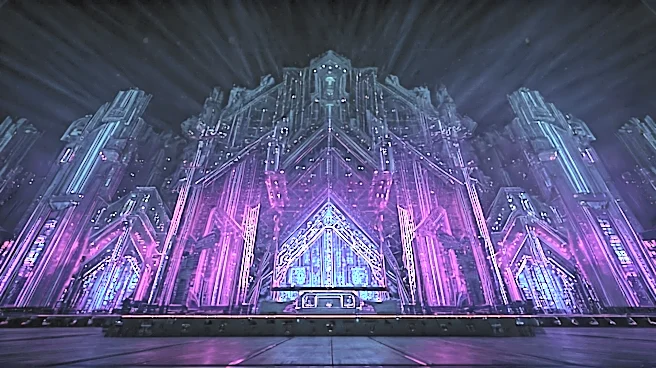
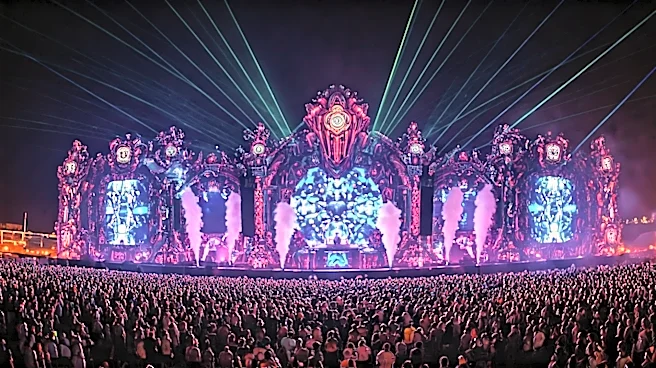
shadow and fog, where DJs like Charlotte de Witte or Adam Beyer spin relentless, multi-hour sets. For them, music is a journey, not a series of drops. They might scoff at what they see as the commercial, formulaic sounds of the main stage. On the other side, you have the pop-EDM fan. They are drawn to the spectacle, the anthemic vocals, and the explosive pyrotechnics of the kineticFIELD, EDC's colossal main stage. They know the words to every hit by Tiësto or David Guetta and live for the communal euphoria of a massive, perfectly timed drop. To them, the moody repetition of techno can feel boring or inaccessible. In any other context, these two groups might as well be listening to different languages. They frequent different clubs, follow different artists, and define a “good night” in completely opposite ways.
Engineered Serendipity
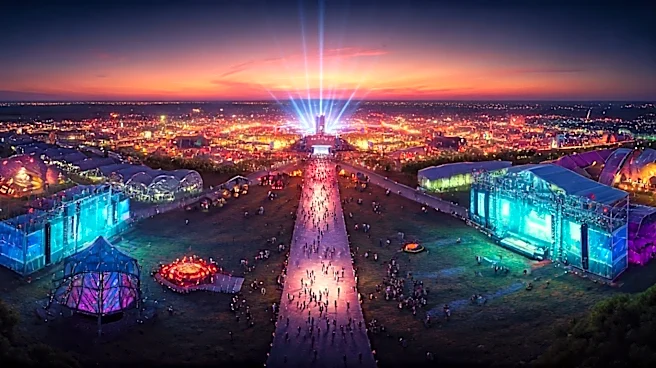
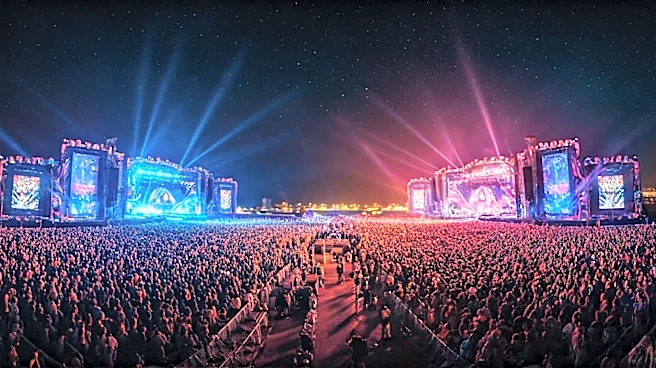
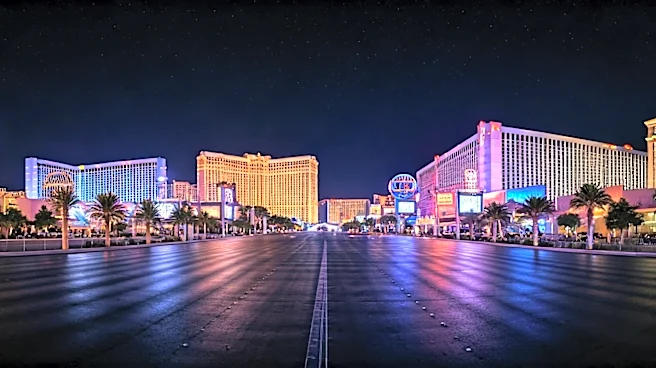
The secret to EDC’s social alchemy isn't that everyone suddenly agrees on music; it's baked into the festival's very design. Insomniac Events, the festival's producer, transforms the 1,000-acre Las Vegas Motor Speedway into a sprawling, self-contained world. The sheer scale is the first great equalizer. Getting from the hard-hitting bass of wasteLAND to the euphoric trance of quantumVALLEY requires a journey. On that walk, you're not a “techno fan” or a “house head”; you’re just a person in a sea of 175,000 other people, all navigating the same dazzling, overwhelming landscape. You walk past stages playing music you'd never seek out, catching a fragment of a melody or a beat that sticks with you. This forced exposure creates a kind of passive cross-pollination. The festival's layout doesn't just accommodate different tastes; it makes bumping into them unavoidable, turning the entire speedway into a giant, shared discovery zone.
The Unifying Power of Spectacle
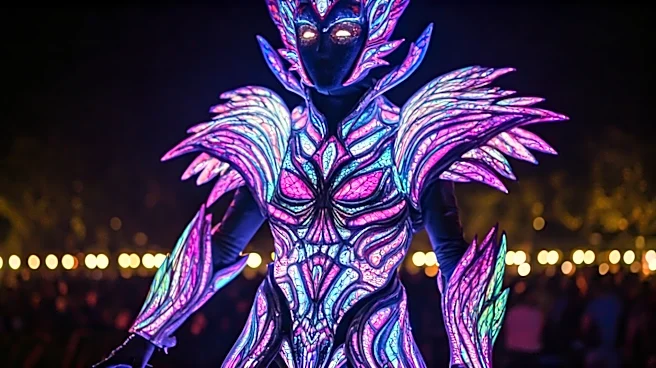
If the layout forces proximity, the spectacle provides the shared language. No matter which stage you came for, you experience the same jaw-dropping moments. When the nightly fireworks display erupts over the entire speedway, everyone stops and looks up. The purist standing outside neonGARDEN sees the same sky as the pop fan leaving kineticFIELD. The shared gasp is universal. This extends to the entire environment. Roving troupes of costumed performers, massive, glowing art installations, and full-scale carnival rides create a sensory playground that transcends genre. The experience of riding the Ferris wheel and seeing the entire festival laid out below you like a circuit board humming with light and energy is a powerful, unifying moment. These are the things people talk about on the long walk back to the shuttles. The conversation isn't “Did you like that DJ’s mixing?” but “Did you see that giant, fire-breathing octopus?”
A Social Contract Called PLUR
Finally, there’s the cultural software that runs on EDC’s hardware: the ethos of PLUR (Peace, Love, Unity, Respect). While it might sound like a naive, leftover hippie ideal, it functions as a genuine social contract at the event. It’s the baseline expectation of behavior that allows this massive, diverse crowd to coexist harmoniously. PLUR manifests in small but significant ways: the trading of “kandi” bracelets, sharing water with a stranger, helping someone who looks lost, or simply giving someone space to dance. For the techno purist who values personal space and the pop-EDM fan who wants a group hug, PLUR provides a middle ground—a shared assumption of goodwill. It gives everyone permission to drop their real-world guard and, for three days, treat the thousands of strangers around them not as potential adversaries from a different musical tribe, but as temporary neighbors in a city built on beats and light.