

The Great Divide: Planners vs. Purists
On one side of the divide are the information-seekers. For them, knowing a setlist in advance is a practical tool. It helps manage expectations, especially when ticket prices are soaring. Will the band play the classics or focus on a new album you don't
love? Knowing ahead of time can prevent disappointment. For some, it’s about accessibility and anxiety; knowing the show's structure, including when to plan a bathroom break, makes the massive scale of a modern concert feel more manageable. Others treat it like studying, using sites like Setlist.fm to learn unfamiliar B-sides so they can sing along to every word. On the other side are the purists, who argue that looking up a setlist is like reading the last page of a novel first. For them, the magic of a live show is rooted in unpredictability. The collective gasp when a favorite deep cut starts, the shared thrill of a surprise encore—these are the moments that create lasting memories. They argue that knowing what comes next robs the performance of its dramatic tension and turns a living, breathing event into a pre-recorded playback.
The Artist's Intent in a Predictable World
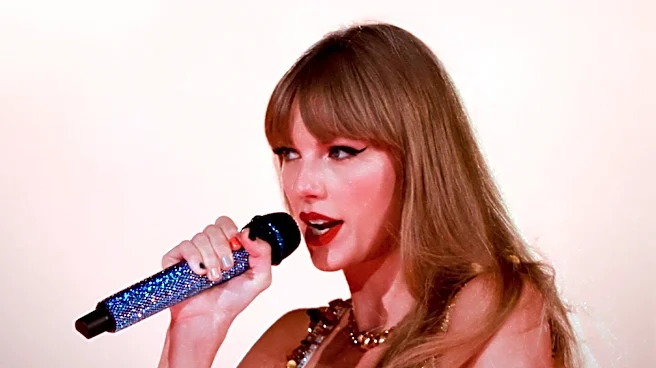
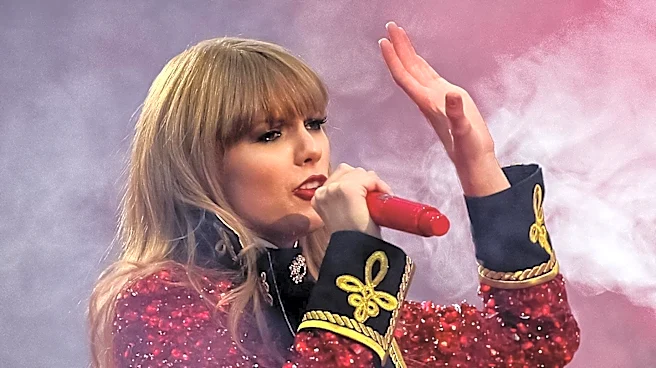
The debate also pulls the artist's role into question. Many musicians and production teams spend months crafting a show with a specific narrative arc. The order of songs is a deliberate choice, designed to create peaks and valleys of energy, to tell a story. From this perspective, the setlist is part of the art itself, and revealing it beforehand undermines that intended journey. Some artists, like Bob Dylan, are famous for constantly changing their sets, making each night unique. Others, particularly on large-scale, heavily choreographed pop tours, deliver a virtually identical show every night. In these cases, is the setlist really a spoiler, or just a component of a tightly produced piece of theater? Some artists have found a middle ground. During her Eras Tour, Taylor Swift famously included two surprise acoustic songs each night, giving every city a unique moment that couldn't be spoiled. This tactic acknowledges both the fan's desire for a shared, predictable experience and the craving for a spontaneous, one-of-a-kind memory.
Setlists, Social Media, and the Performance of Fandom
The conflict becomes more serious when it intersects with social media, where being the first to post a setlist, a photo, or a video clip becomes a form of social currency. In the post-pandemic concert boom, a phenomenon some call poor “concert etiquette” has been on the rise. This behavior is often linked to a desire to perform one's fandom online, a main-character energy fueled by platforms like TikTok where proving you were there is as important as being there. Posting a setlist immediately after a show begins isn't just sharing information; for some, it's a race to be the most dedicated, the most in-the-know fan. This can be intensely frustrating for attendees in later time zones who hope to remain surprised but can't avoid spoilers flooding their feeds. It transforms the concert from a shared communal experience into a series of individually captured, broadcasted moments.
The Lost Art of Being Present
Ultimately, the setlist debate is a battleground for a much larger cultural tension: the struggle between curated consumption and organic experience. Knowing the setlist is another way to control the experience, to smooth out the uncomfortable edges of uncertainty and ensure a predictable emotional payoff. It’s related to the impulse to watch a show through your phone screen, meticulously documenting the event instead of living in it. The core of the anti-spoiler argument is a defense of what psychologists call “collective effervescence”—the powerful, almost spiritual feeling of a crowd united in a single, spontaneous emotional moment. This shared high is a huge part of what makes live music so impactful, fostering a sense of community and boosting well-being long after the show ends. When we know exactly what’s coming, that collective discovery is diminished. We’re no longer experiencing a moment of pure, shared surprise; we’re just waiting for the next item on a checklist to be ticked off.