
What 'Overstyling' Really Means
Overstyling isn't just about piling on too many accessories or mixing too many patterns. It’s about creating visual noise that drowns out the very pieces you’re trying to showcase. Think of it like a conversation
where everyone is shouting; no single voice can be heard. When an outfit is overstyled, every element—a statement necklace, a bold belt, a patterned scarf, and embellished shoes—competes for attention. The result is that nothing stands out, and the overall look can feel forced and cluttered rather than cohesive and confident. True style often comes from a place of confident restraint, where the goal isn't to wear everything at once, but to wear each piece well. The most elegant looks often have one clear focal point, with every other element playing a supporting role.
Finding the Garment's 'Main Idea'
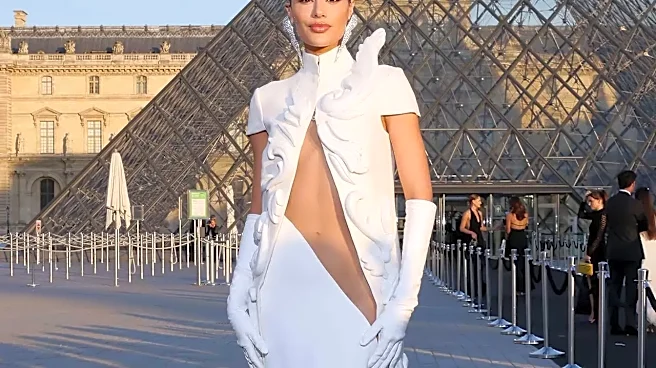
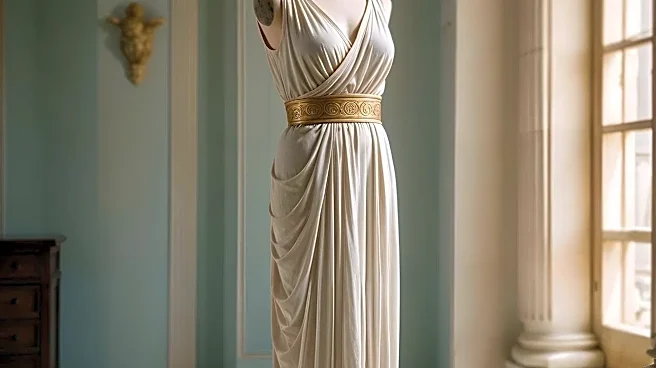
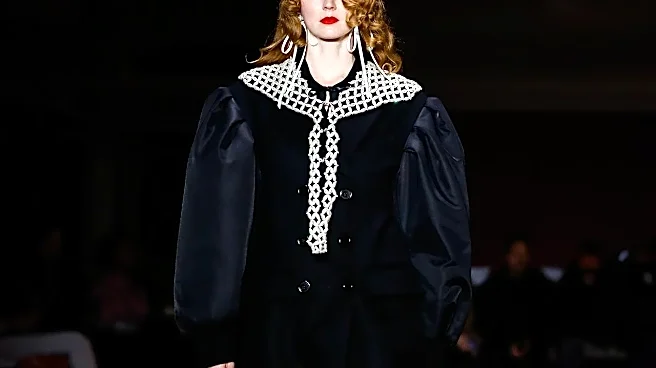
Every piece of clothing has a built-in point of view, or a “main idea.” This is the core concept the designer focused on, and it’s your job as the wearer to identify it. The main idea could be its silhouette, like the sharp, commanding shoulders of a blazer or the flowing, relaxed drape of a linen dress. It might be the fabric’s texture—the ruggedness of raw denim, the softness of cashmere, or the intricate weave of a brocade jacket. Or perhaps it's the color or pattern that's meant to be the star. Before you add a single accessory, take a moment to understand what the garment is trying to do on its own. A well-designed piece often does most of the work for you, feeling intentional and finished without needing much help. Understanding this is the first step to building an outfit that feels harmonious.
The Art of Intentional Addition
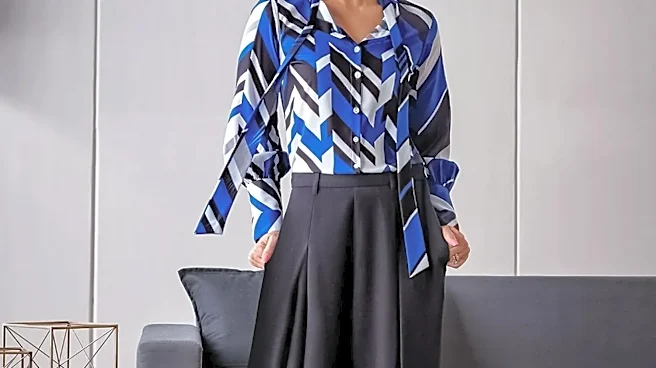
Once you've identified the garment's main idea, styling becomes a process of intentional addition rather than random decoration. The goal is to choose accessories and other pieces that complement and enhance the main idea, not compete with it. If you're wearing a structurally interesting top with a unique neckline, a large necklace might just clutter the area. Instead, you could opt for a simple earring that doesn't fight for visual space. If your dress has a vibrant, busy pattern, pairing it with neutral, understated shoes and a simple bag allows the print to shine. This philosophy is often summed up by the famous advice attributed to Coco Chanel: before you leave the house, look in the mirror and take one thing off. It’s an exercise in editing, ensuring every piece has a purpose. This approach makes your style feel more considered and ultimately more personal.
Putting It Into Practice
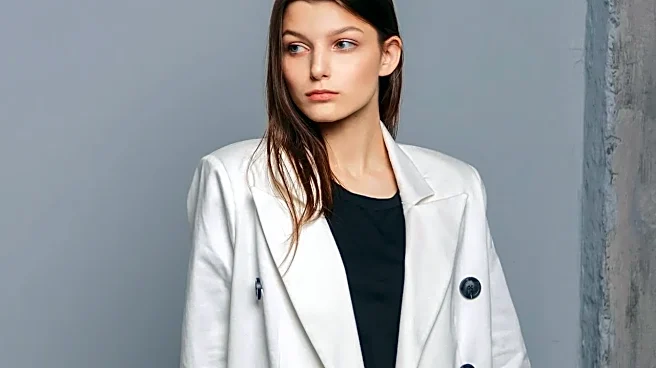
Let’s apply this to a few examples. Take a classic, well-tailored trench coat. Its main idea is its timeless silhouette and structure. Instead of distracting from its clean lines with a bulky patterned scarf, you could honor them by simply popping the collar and pushing up the sleeves for a look of effortless ease. Now, consider a sequined top. Its main idea is unapologetic glamour and texture. Here, you would let the top be the focal point by pairing it with simple, dark trousers or a sleek skirt. Adding competing sparkly jewelry would be overkill. By respecting the main idea of each piece, you move from simply getting dressed to actively creating a look. Your wardrobe stops being a collection of random items and becomes a set of tools for self-expression.