





The Stage for a Legend
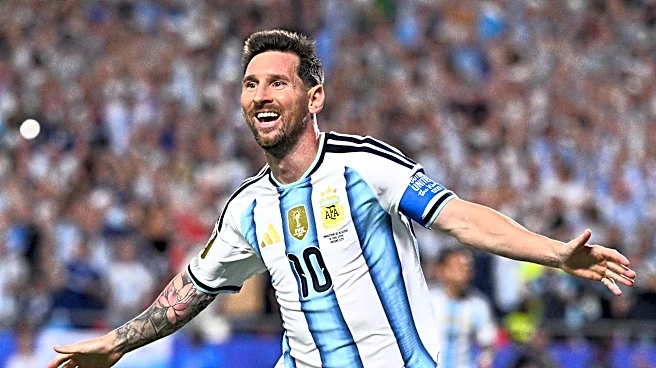
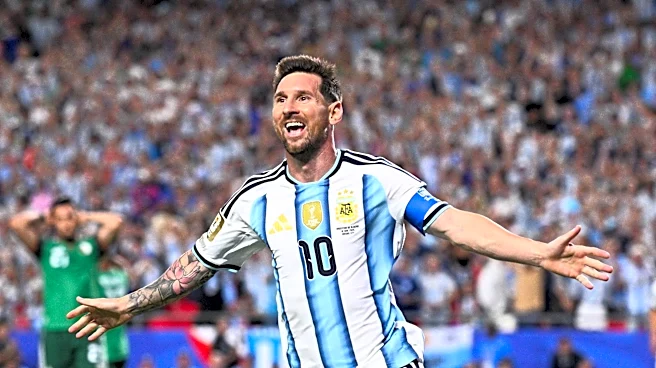
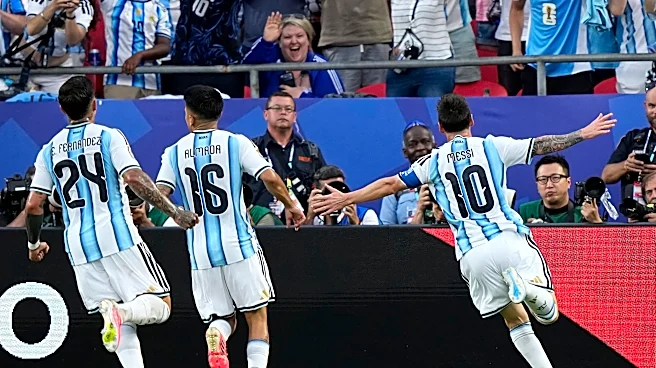
The scene is the 123rd minute of the 2022 FIFA World Cup Final in Qatar. It's the most-watched sporting event on the planet, and this final has been an all-time classic. Argentina, led by the legendary Lionel Messi in his last shot at glory, is tied 3-3
with the defending champions, France. They have battled through 90 minutes of regulation and nearly 30 minutes of exhausting extra time. The score has swung wildly, from 2-0 Argentina, to 2-2, to 3-2 Argentina in extra time, only for Kylian Mbappé to equalize again with a penalty just minutes earlier. Every player on the pitch is running on fumes and adrenaline. The tension is unbearable. The next whistle will likely signal a penalty shootout, but one mistake, one final surge, could end it all right here.
One-on-One with History
Suddenly, a long ball over the top of the Argentine defense finds France's Randal Kolo Muani. He's in. Clear on goal. There are no defenders to catch him. It's a one-on-one duel with Argentina's goalkeeper, Emiliano “Dibu” Martínez. For 122 minutes, the hopes of a nation have rested on Messi’s feet. Now, in the final seconds, they rest entirely on Martínez’s reflexes. Kolo Muani takes a touch to steady himself and unleashes a thunderous low shot aimed for the far corner. It's a great strike—hard, low, and perfectly placed. In 99 out of 100 scenarios, the net bulges, French players erupt, and Messi falls to his knees in defeat. But this is that one other time. Martínez, instead of staying rooted or guessing, charges out aggressively, making himself as large as possible. In a moment of sheer instinct, he throws his entire body at the ball, flinging his left leg out in a starfish-like motion. The ball smashes into his extended shin and cannons away to safety. It's a save of stunning, almost cartoonish improbability.
Football’s Four-Down Territory
This is why it feels like a goal-line stand. In American football, a goal-line stand is about more than just tackling. It's about a defense refusing to yield that final, critical yard. The offense has every advantage: proximity, momentum, and four chances to punch it in. The defense has only desperation and defiant will. Martínez’s save was the soccer equivalent. Kolo Muani had all the advantages. He was the running back at the one-yard line, needing only to cross the plane. Martínez’s save wasn't just a technical block; it was a fundamental denial of what was supposed to happen. It was a statement that defied the physics and the narrative of the moment. He didn't just prevent a goal; he stopped the story of French victory from being written. Like a defense stuffing a quarterback sneak on fourth-and-goal, Martínez rejected the inevitable and single-handedly kept his team's hopes alive.
From Save to Immortality
The save’s true significance became clear moments later. The whistle blew, sending the final to a penalty shootout. Buoyed by his heroic moment, Martínez was a titan in the shootout. He saved one French penalty and used his infamous mind games to rattle another player into missing. Argentina converted their penalties, and Lionel Messi finally lifted the one trophy that had eluded him, cementing his status as the greatest of all time. But without “The Save,” none of it happens. That single act of defiance is now etched into soccer lore as perhaps the most important goalkeeper save in history. It wasn't just a highlight-reel play; it was the hinge on which a legacy turned. It ensured Martínez would be remembered not just as a good goalkeeper, but as an Argentine national hero, the man who built the wall that allowed his king to finally claim his crown.