

The Festival Before the Mothership
To understand the impact of 2007, you have to remember the Lollapalooza that was. Born in 1991 as Perry Farrell's traveling circus of alternative rock, it defined the sound and attitude of Generation X. It was the home of grunge, industrial, and punk,
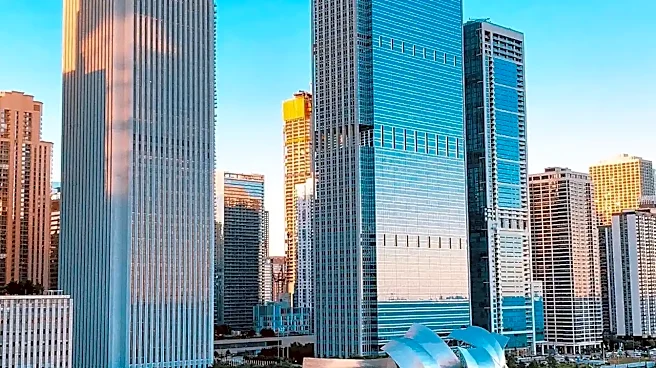
a cultural force that put bands like Pearl Jam, Soundgarden, and Rage Against the Machine in front of massive, fervent crowds. But by the late '90s, that momentum stalled, leading to a canceled 2004 tour and an identity crisis. The festival was reborn in 2005, planting permanent roots in Chicago's Grant Park. In its first few years as a stationary event, it leaned heavily on the indie rock boom and its own legacy. The 2007 lineup itself was a snapshot of this transitional phase, featuring rock royalty like Pearl Jam and Iggy & The Stooges alongside indie darlings such as Interpol and Modest Mouse. It was a festival still largely defined by guitars and frontmen, a familiar model for American audiences.
Two Robots in a Pyramid
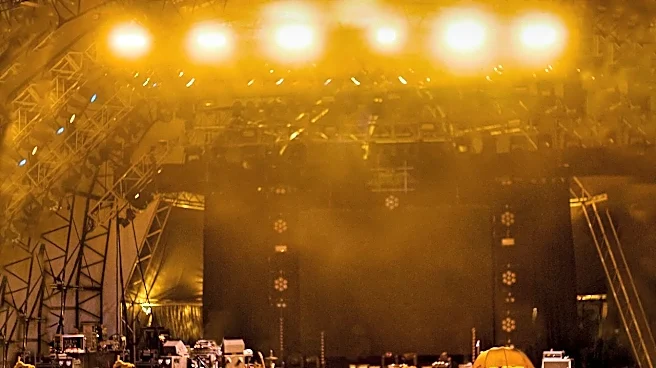
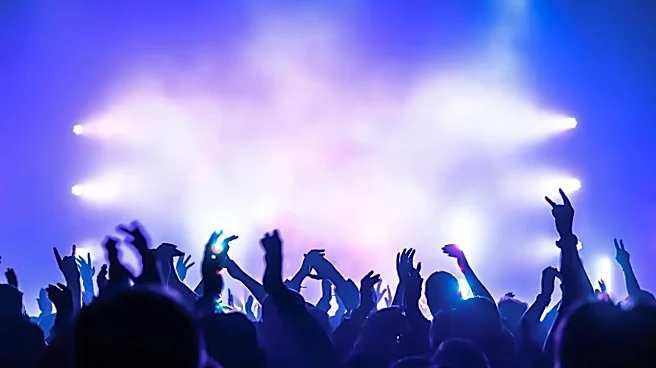
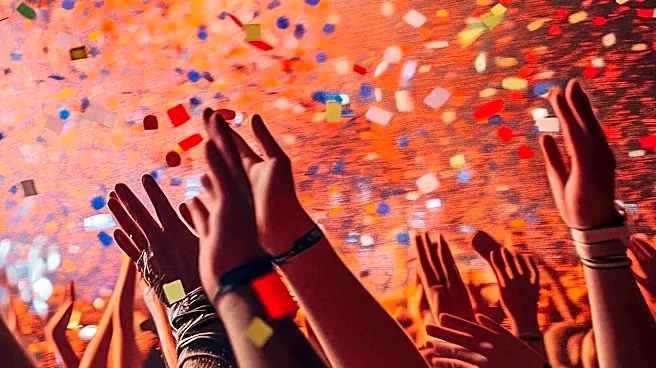
Then, on the night of August 3, 2007, something else landed. Daft Punk, the enigmatic French electronic duo, took the stage, but not on it—atop it. Encased in a massive, LED-paneled pyramid, the two robot-helmeted figures unleashed a spectacle that few in attendance were prepared for. This wasn't just a band playing songs; it was a sensory onslaught. Their set was a live, intricate remix of their entire catalog, familiar hooks from tracks like "One More Time" and "Harder, Better, Faster, Stronger" mashed into new, thrilling forms. The light show, perfectly synchronized with every thumping beat, wasn't just accompaniment; it was the main event alongside the music. For a crowd accustomed to watching rock bands, this was a paradigm shift. It was a completely immersive audio-visual experience that felt less like a concert and more like a sci-fi event.
The Blueprint for a New Decade
The aftershocks of Daft Punk's performance were immediate and lasting. It didn't just win the weekend; it provided a new blueprint for what a headliner could be. The set is widely credited with legitimizing large-scale electronic dance music at mainstream American festivals. Before this, EDM was often relegated to side tents. After, it was a main stage necessity. Lollapalooza itself responded directly. Perry's Stage, once a smaller DJ area, transformed in the following years into a gargantuan, standalone production monster dedicated to EDM, drawing crowds as large as any headliner. The festival's booking philosophy shifted. Pop superstars and globally recognized DJs began to occupy top spots on the poster, fundamentally changing the festival’s demographic and cultural texture. The focus moved from passive observation of a band to active participation in an "experience."
An Entire Era in One Set
So why this performance? Other Lollapalooza sets were legendary. Pearl Jam's stage-climbing antics in '92 defined grunge's ascent, and Lady Gaga's 2007 side-stage performance was a glimpse of a future pop queen. But Daft Punk's set was different. It wasn't just a great performance; it was a hinge point. It marked the moment Lollapalooza pivoted from being a legacy celebration of '90s alternative culture to becoming the genre-agnostic, experience-driven machine of the 2010s and beyond. It signaled the end of rock's unquestioned dominance and the beginning of an era where EDM, hip-hop, and pop would rule the festival landscape. The pyramid became a symbol of a festival looking forward, not back, embracing spectacle and electronics as the new tools for creating communal moments. It was the set that showed a new generation what a festival could be.