




One Stage, Many Demands
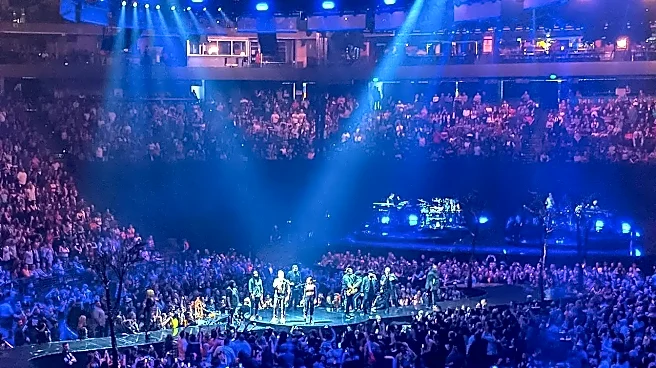
At their own arena show, an artist like Taylor Swift or Coldplay is king of the castle. Their production team controls every single element, from the soundboard to the special effects. The confetti cannons, the streamers, and the pyrotechnics are all
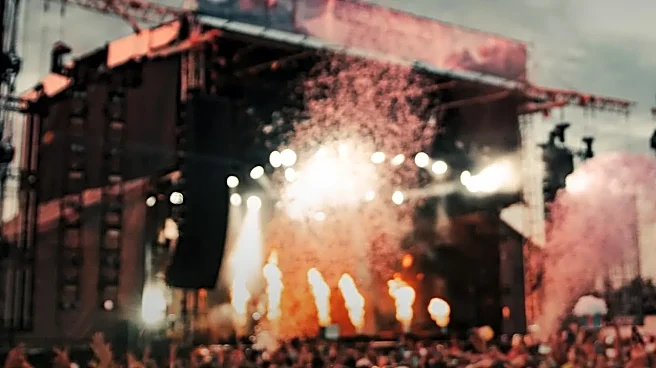
part of a self-contained, meticulously rehearsed plan. A music festival, however, is a shared space. A dozen or more acts perform on the same stage in a single day, and each one arrives with their own set of requests detailed in a technical rider. This document outlines everything an artist needs, from specific microphones to special effects. A festival's production manager has to juggle these competing demands. What happens when the punk band at 4 p.m. wants to douse the stage in foam, but the electronic headliner at 10 p.m. needs a perfectly clean, dry surface for their laser show and, yes, their own signature confetti blast? The festival must approve and coordinate it all, often telling artists "no" to avoid chaos.
The Unforgiving Clock
In an arena, the headliner has hours, sometimes days, for setup and testing. At a festival, the time between acts—the changeover—is brutally short, often just 15 to 30 minutes. This period is a frantic, highly choreographed ballet of roadies and technicians. While one band's gear is rolled off, the next band's is rolled on, often using pre-packed rolling risers to save time. A massive confetti drop creates a huge mess that can't just be ignored. It needs to be cleaned, and fast. A stray piece of foil confetti getting into another act's sensitive electronic gear could be disastrous. The cleanup effort eats into precious minutes, risking a delay that cascades through the rest of the day's schedule, frustrating both the other artists and the audience.
The Wild Card of Mother Nature
An indoor arena is a controlled environment. The air is still, the floor is sweepable, and nothing gets wet unless it's planned. An outdoor festival is completely at the mercy of the weather. A sudden gust of wind can send a cloud of confetti into a nearby river, across a neighboring property, or into food vendor stalls, creating a massive litter problem. Because of this, many outdoor venues and local authorities have strict regulations. Plastic or foil confetti is often banned outright due to its environmental impact as a microplastic. Most festivals now mandate the use of biodegradable paper or rice paper confetti, which dissolves in rain. But even that comes with complications; some biodegradable materials can stain surfaces if they get wet, and cleanup is still expected.
Who's in Charge Here?
For a solo tour, the artist's own crew operates their special effects. At a festival, it's more complicated. Does the artist's specialized tech operate the confetti cannon, or does the festival's general stage crew handle it? Using pyrotechnic or high-pressure CO2 cannons can require specific permits and licensed operators, adding another layer of bureaucracy. The festival's production team is ultimately responsible for safety, power distribution, and ensuring one artist's setup doesn't interfere with another's. A rogue confetti cannon drawing too much power or placed in the wrong spot could trip a circuit or block a key lighting fixture. In the rigidly planned world of a solo arena tour, these issues are solved months in advance. At a festival, they have to be managed in real-time across multiple teams who may have never worked together before.