
The Unseen Is Always Scarier
The cardinal rule of horror is that our imagination is more terrifying than anything a director can put on screen. The slow-burn horror film understands this better than any other genre. It's a craft that prioritizes atmosphere and tension over a constant
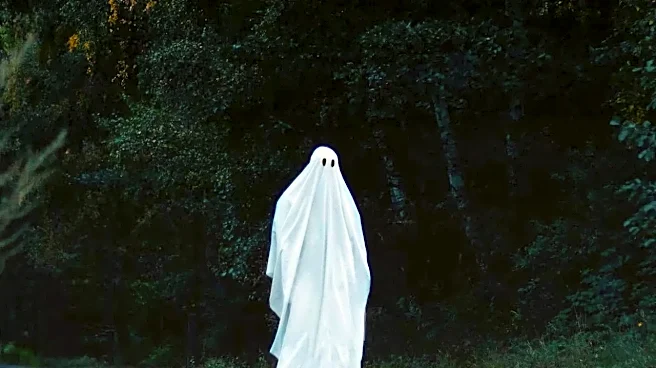
parade of spectral figures. Robert Wise’s 1963 masterpiece, The Haunting, is a perfect example. We never see a single ghost in Hill House. Instead, we hear them as unseen forces that pound on walls and whisper through the halls. The film builds a suffocating sense of dread by focusing on the characters' reactions and the house's oppressive personality. The terror comes not from a CGI ghoul, but from a door inexplicably bulging inward, suggesting an immense, unseen pressure on the other side. This technique forces the audience to fill in the blanks, and what we conjure is always more personal and potent than a pre-packaged specter.
When the House Itself Is the Monster
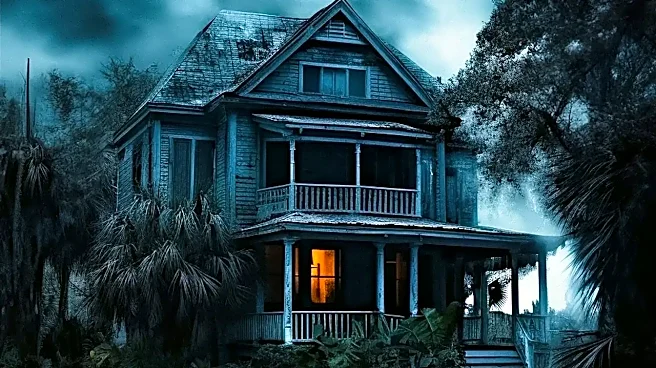
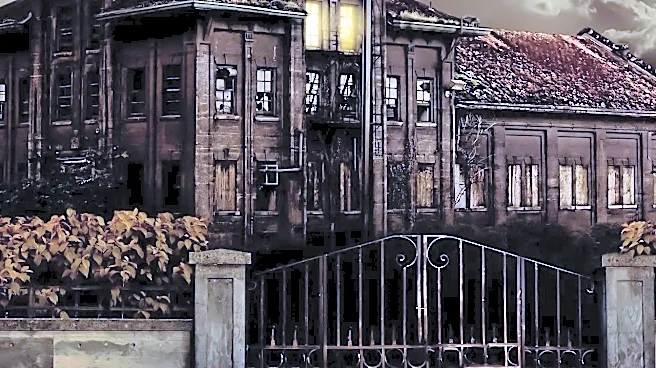
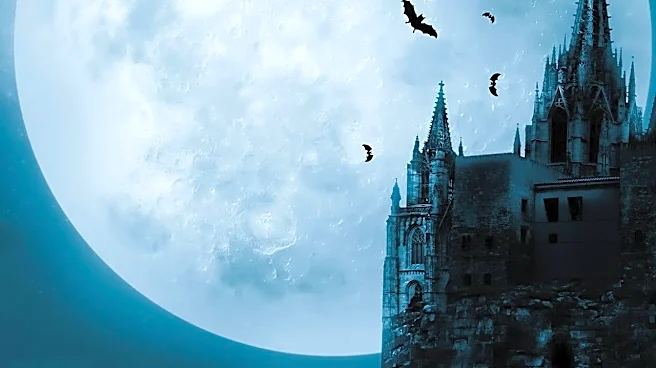
In the best haunted-house stories, the building is not merely a container for spirits; it is an active, malevolent character. Stanley Kubrick’s The Shining is less a story about the ghosts in the Overlook Hotel and more about how the hotel's evil essence infects Jack Torrance's mind. The film uses architecture to create psychological distress: the impossible window in the manager's office, the labyrinthine corridors, and the unnerving emptiness of the Gold Room. The horror is rooted in the building's ability to isolate and warp its inhabitants, feeding on their weaknesses. The iconic scene of blood pouring from the elevator isn't scary because of a ghost; it's scary because it represents the house’s violent history bleeding into the present. The horror is baked into the very foundation of the place.
Psychological Decay Over Supernatural Frights
Some of the most unsettling films use a haunting as a catalyst for something far more terrifying: the collapse of the human mind or the disintegration of a family. In these stories, the supernatural threat is secondary to the psychological horror. A film like The Others uses its ghost story to explore themes of grief, denial, and trauma, with a final twist that is devastating precisely because it re-contextualizes the characters' emotional pain. More recently, Hereditary presents a family grappling with inherited mental illness and grief so profound that it summons a demonic presence. Yet, the film's most disturbing moments are not the supernatural ones, but the raw, brutal scenes of familial conflict. The haunting simply provides the stage for the real horror—the ugly, painful, and inescapable realities of being human—to play out.
An Earned Scare Is a Better Scare
This isn't to say jump scares have no place in horror. A well-executed jump scare can be incredibly effective, but only when it's earned. It should serve as a release of painstakingly built tension, not a cheap trick to startle the audience. When a film spends 80 minutes cultivating an atmosphere of dread, making you check every shadow and question every sound, the eventual reveal of a ghostly figure lands with the force of a punch. It feels like a genuine climax, not just another loud noise. But films that rely on a constant barrage of apparitions quickly lose their power. The audience becomes desensitized, and the scares become predictable. True, lasting fear—the kind that follows you home and makes you check over your shoulder—comes from that slow, creeping dread that suggests something is terribly wrong, even when you can’t see it.