






More Than Just a Movie
The core of the London Film Festival's (LFF) strategy is transforming a screening into an 'event'. While streaming offers convenience, the festival offers spectacle. Red carpet galas for highly anticipated films, attended by cast and crew, create a sense
of occasion that you can't replicate from your couch. These aren't just for industry insiders; they are public premieres designed to generate buzz and excitement. The festival also hosts 'Screen Talks', in-depth conversations with major figures like director Brad Bird, giving audiences direct access to the minds behind the movies. By adding layers of exclusivity and interaction, LFF reframes moviegoing from a passive activity into an active, memorable experience. It’s a deliberate move to create something worth leaving the house for.
Curating Discovery, Not Algorithms
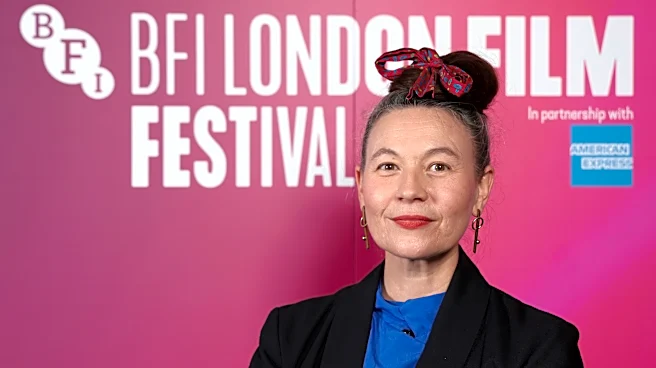
In an era of algorithm-driven recommendations, the LFF bets on the power of human curation. The program is organized into thematic strands like Love, Debate, Laugh, Dare, and Cult to help audiences discover new things based on mood and interest rather than viewing history. This approach encourages exploration, positioning the festival as a place to find your next favorite film, not just to watch what's popular. Festival Director Kristy Matheson emphasizes that world premieres are not the main goal; the focus is on creating a diverse, compelling program. With 251 works from 88 countries in 2026, including a significant number by female filmmakers, the LFF offers a snapshot of global cinema that no streaming service can match in its intensity and focus. It reminds audiences that there's a world of storytelling beyond the mainstream blockbuster.
Embracing the New and Accessible
Instead of fighting technology, the LFF incorporates it. The LFF Expanded program delves into immersive art, virtual reality, and other forms of extended reality (XR), pushing the boundaries of what 'cinema' can mean. This not only attracts a different, often younger, audience but also positions the festival as forward-thinking. Crucially, the festival is also focused on accessibility. The 'LFF for Free' program offers a wide array of free events, including talks, workshops, short film screenings, and even DJ nights. This lowers the barrier to entry, inviting people to sample the festival atmosphere without the commitment of a ticket. This strategy recognizes that building future audiences means making them feel welcome first.
A Blueprint Beyond the Capital
Perhaps the most significant part of the BFI's strategy is its understanding that relevance cannot be confined to one city. A curated selection of festival films and events are showcased at partner venues in major cities across the UK. This initiative runs parallel to the BFI's broader mission to support audience development nationwide, especially in areas with limited access to independent cinema. Programs like the BFI Film Audience Network (FAN) and 'ESCAPES' aim to build sustainable local cinema cultures. The festival, therefore, acts as the high-profile tip of the spear for a much larger project: ensuring that the thrill of cinematic discovery isn't a privilege reserved for Londoners. By expanding its footprint, the LFF provides a model for how a major cultural event can foster a national, rather than just a metropolitan, appreciation for theatrical film.