




The Glossy Playbook: Gen Z’s Dewy Defense
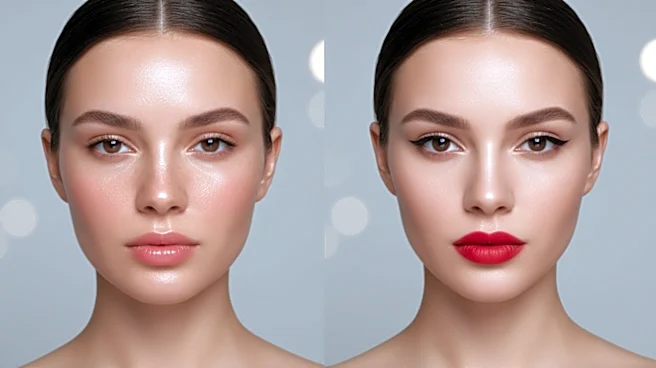
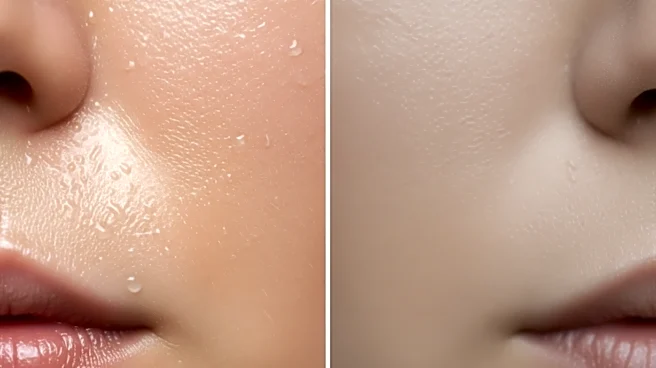
For Gen Z, the goal isn't to cover up; it's to glow up. Their beauty philosophy is built on a 'skin-first, makeup-second' foundation. This approach, often dubbed "skinimalism," champions lightweight skin tints, minimal concealer, and an overall dewy,
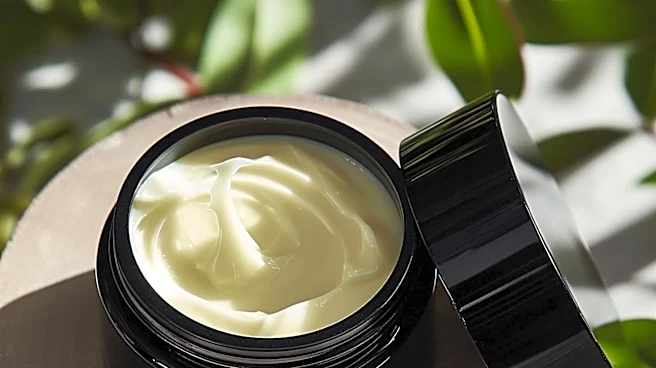
luminous finish that lets real skin texture show through. It’s a look born from TikTok's 'clean girl aesthetic' and inspired by the impossibly translucent complexions of K-beauty's "glass skin" trend. The key players in this lineup are hydrating serums, liquid highlighters, cream blushes, and glossy lip oils. The strategy is less about transformation and more about enhancement, creating a radiant, healthy-looking sheen that suggests you’ve just come from a yoga class or are simply blessed with incredible hydration. It’s makeup as an extension of a wellness routine, where authenticity and a natural glow are the ultimate trophies.
The Millennial Matte Strategy: A Powder-Perfect Offense
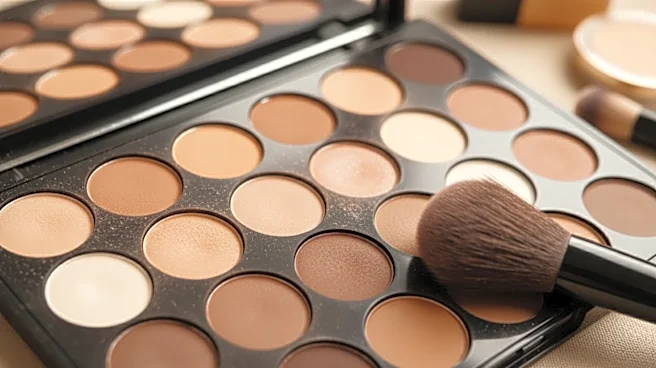
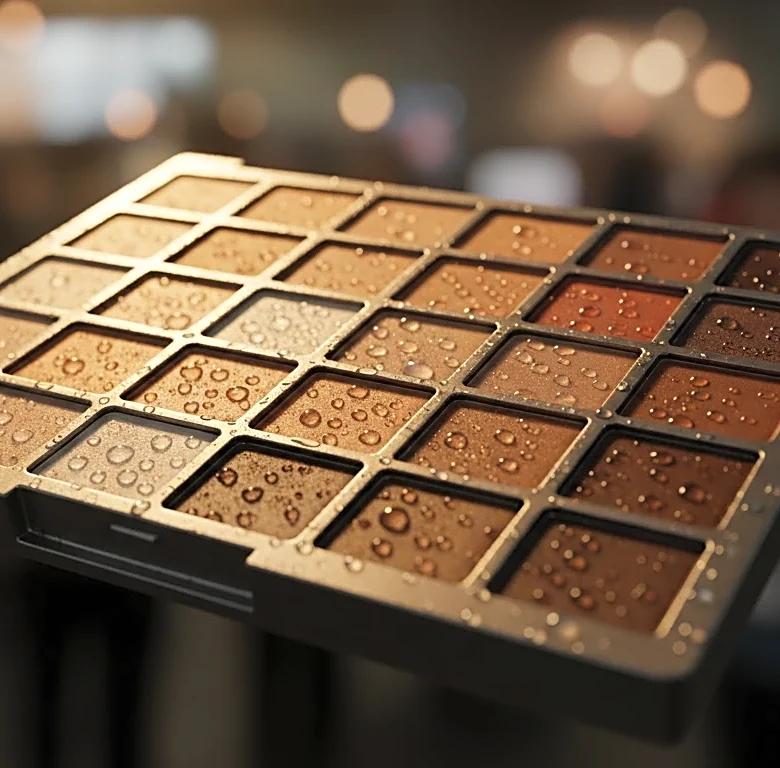
Millennials, on the other hand, were trained in a different school of beauty. They came of age during the peak of YouTube tutorials and the rise of the perfectly curated Instagram grid. Their game plan was often about creating a flawless, long-lasting canvas. This meant primers to smooth, medium-to-full coverage foundations to perfect, and the now-iconic technique of "baking" with loose setting powder to lock it all in place. The objective was a polished, shine-free, matte finish that looked impeccable under any lighting and would last from a morning meeting to after-work drinks. This era was defined by sculpted cheekbones, defined brows, and neutral eyeshadow palettes blended with technical precision. While many have since adapted their routines, the core value was control: controlling shine, controlling texture, and presenting a purposefully put-together look to the world.
Sideline Analysis: The Cultural Drivers
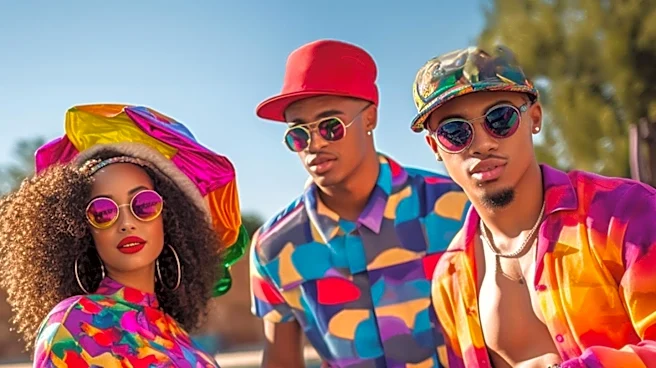
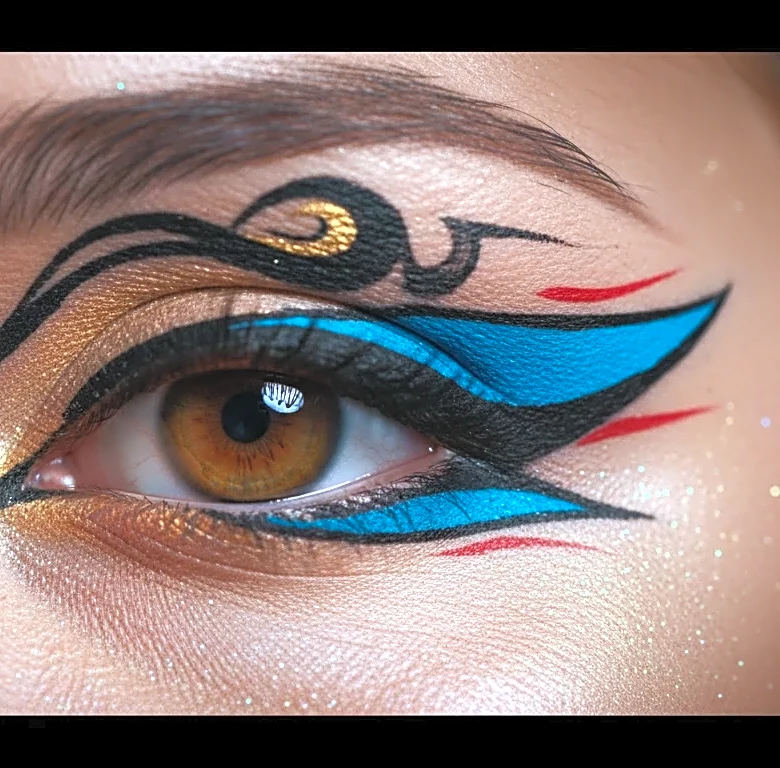
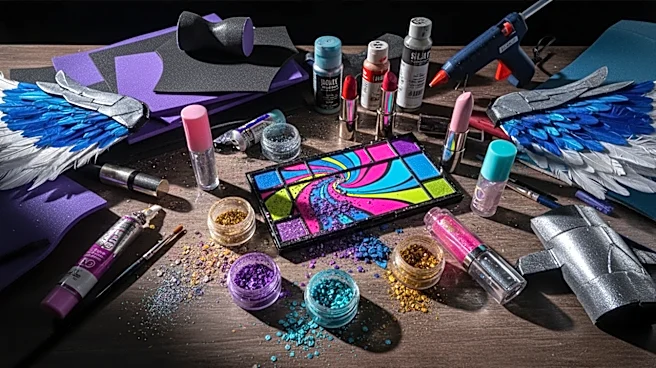
So, why the stark difference in approach? The divide is rooted in the cultural and technological moments that shaped each generation. Millennials perfected their look for the still image of Instagram, where a flawless, matte face photographed beautifully. Theirs was the era of the #girlboss, where a polished appearance was part of a professional toolkit. Gen Z grew up with TikTok, a platform built on movement, video, and unfiltered authenticity. On video, a dewy, light-reflective finish looks vibrant and alive, whereas a heavy matte base can appear flat. Gen Z's approach is less about aspirational perfection and more about playful self-expression, treating makeup as a mood-based accessory rather than a daily requirement. While only about 10% of Gen Z females report wearing makeup daily, they use it to create bold, experimental looks one day and go completely bare-faced the next.
The Unifying Huddle: A Blended Approach
Despite the apparent rivalry, the lines between these two camps are beginning to blur. The beauty industry has responded by creating products that offer the best of both worlds. Matte foundations are now formulated to be more lightweight and skin-like, while the once-intimidating dewy look has become more wearable. Millennials are embracing skin tints and cream blushes, and Gen Z certainly understands the power of a good setting powder for a long night out. The rise of the "satin" finish—a perfect midpoint between dewy and matte—proves that there's common ground. Ultimately, whether you're Team Glossy or Team Matte, the shared goal is the same: to step out on your personal 'game day' feeling confident and ready for anything. The real trend, it turns out, is choosing the look that makes you feel most like yourself.