



The Six-Month Illusion
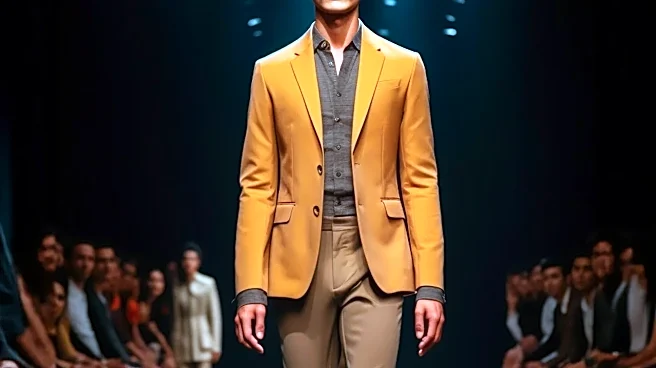
Let's start with a reality check. The Spring/Summer 2027 collections shown this week in London won't hit stores until next year. By then, the social media hype that made a particular shade of acid green or a specific style of cinematic, minimalist coat
feel urgent will have moved on. The fashion cycle is designed to create a sense of scarcity and immediacy, amplified by algorithm-driven platforms. This manufactured urgency pressures you to want something months before it's available and, often, long after you've forgotten why you wanted it. Resisting this impulse isn't about missing out; it's about seeing the marketing machine for what it is and refusing to play along. The shows are a forecast, not a fire drill.
Inspiration, Not Imitation
True personal style is an expression of self, not an exercise in mimicry. When you treat every trend—be it romantic volume, power-dressing funnel necks, or a specific floral motif—as a directive, you end up with a wardrobe of disconnected items rather than a cohesive personal look. A closet full of someone else's ideas leaves no room for your own. Instead of asking, 'Do I need to buy that?' ask, 'What does this inspire me to do with what I already own?' Perhaps the vibrant cobalt on display encourages you to pull out an old blue sweater. Maybe the emphasis on craft and visible mending inspires you to repair a favorite jacket. This shift turns passive consumption into an active, creative process.
The Rise of 'Considered Fashion'
Even London Fashion Week itself is starting to question the relentless churn. This season, building on changes from earlier in the year, the event continues to operate under stricter sustainability requirements, a framework borrowed from Copenhagen Fashion Week. Designers are increasingly required to use deadstock or certified sustainable materials, and the conversation on the ground is shifting toward craftsmanship, longevity, and circularity. Brands like Marks & Spencer are even joining the official schedule with 'see now, buy now' models that, while commercial, bring a different kind of accessibility to the forefront. This industry-wide soul-searching should be a signal to consumers. If the creators are reconsidering the pace, we as consumers have permission—and a responsibility—to do the same.
Finding Joy Beyond the 'Add to Cart' Button
So how should you engage with Fashion Week? Treat it like a visit to an art gallery. You can appreciate the artistry, the vision, and the cultural commentary without feeling obligated to take a painting home. Follow your favorite designers on social media or watch the shows online. Notice the overarching moods—the return of major houses like Alexander McQueen to London, the focus on homegrown British talent, the blend of heritage and high-street. Appreciate the spectacle of a Burberry or Simone Rocha show for the creative statement it is. By decoupling the experience from the transaction, you can find a more sustainable and fulfilling way to love fashion. It becomes about celebrating creativity, not just accumulating product.