


The Old Walls Are Coming Down
Remember when a show premiered on a cable channel and that was the only place to see it for months, maybe even years? That rigid system, known in the industry as 'windowing,' is undergoing a radical transformation. Traditionally, a show would premiere on linear
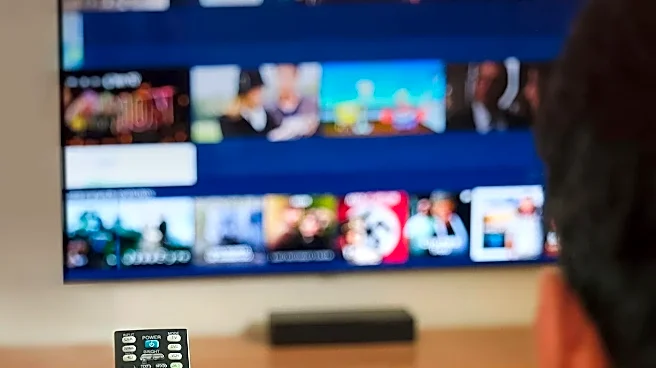
cable, then move through a sequence of 'windows': pay-per-view, then a subscription service like HBO, and eventually, maybe, a basic cable or streaming library. That predictable calendar is being torn up. The new 2026 strategy involves collapsing these windows. Now, a show might premiere on a network like AMC or FX and appear on a streaming service—whether it's the network's own platform like AMC+ or a partner like Hulu—just days later, or even simultaneously. This shift acknowledges a simple reality: the audience is no longer tethered to a traditional TV schedule.
Why Change a Decades-Old Model?
The motivation is a mix of survival and opportunity. Cable subscriptions have been declining for over a decade, with an estimated 40 to 45% of the peak subscriber base lost by 2026. At the same time, the cost of producing premium television has skyrocketed. Networks can no longer rely solely on dwindling cable subscribers and traditional ad revenue to fund their biggest bets. By creating a shorter window between the cable premiere and the streaming debut, networks can 'double dip.' They capture the traditional, often older, audience that still watches live TV, while also catering to streaming-first viewers who expect on-demand access. It's a way to maximize the audience for a single piece of content across multiple platforms, hopefully attracting new streaming subscribers without completely cannibalizing their linear viewership. The rise of streaming as the dominant viewing method, capturing nearly half of all TV time by late 2025, has made this adaptation a necessity, not a choice.
From Fierce Rivals to Uneasy Allies
This new model represents a fundamental change in philosophy. For years, cable channels and streaming giants were seen as locked in a zero-sum game. Now, they are increasingly interdependent. Studios and platforms are rediscovering the power of windowing to create value across a show's entire lifecycle. A program that might not be a blockbuster hit on its own can become highly valuable when it travels efficiently from a linear premiere to a streaming library. For example, a show that debuts on a broadcast network can find a second life and a new audience once it lands on a service like Netflix or Hulu a few months later. This is leading to more hybrid release models, where seasons are sometimes split, or premiere with multiple episodes before shifting to a weekly schedule to keep viewers engaged on both platforms. It’s a move away from the 'all-at-once' binge model and toward a more flexible, curated release cadence designed to serve different audiences and business needs.
What This Means for Your Watchlist
For viewers, this trend has both pros and cons. The upside is more flexibility. If you miss the cable premiere of a new hit show, you likely won't have to wait a year to see it on your favorite streaming app. It also means that your streaming subscriptions might get more value as new, high-profile shows arrive faster. The downside is potential confusion. Keeping track of where and when a show is available can feel like a part-time job. It also signals the end of the cheap streaming era. As cable networks and streamers partner up and consolidate, the cost of a comprehensive streaming package is starting to look a lot more like an old-school cable bill. The ultimate goal for these companies is to create a seamless ecosystem where their must-have content, from live sports to exclusive dramas, is available across platforms—for a premium price.