




The Age of Anti-Fashion
The 1990s began as a direct rebuttal to the extravagant, power-shouldered excess of the 1980s. A collective fashion fatigue, coupled with an economic recession, ushered in an era of restraint. This wasn't just about grunge's unkempt rebellion, with its
flannel shirts and ripped jeans. A parallel and arguably more influential movement was a turn towards stark minimalism. Designers like Calvin Klein, Helmut Lang, and Jil Sander championed clean lines, neutral color palettes, and a focus on quality materials over flashy logos. The aesthetic was defined by what it lacked: ornamentation, loud patterns, and artifice. This was a fashion of subtraction, where style was found in simple, well-cut silhouettes like slip dresses, tailored trousers, and crisp, untucked shirts. It was a quiet, confident look that suggested a shift in values—away from showing off wealth and toward an appreciation for quality and simplicity.
Democracy in Denim and Khakis
While high fashion explored minimalism, mass-market brands made casual the new American uniform. Gap, in particular, became a cultural juggernaut. Under the leadership of Mickey Drexler, Gap perfected the art of stylish basics, creating a space between runway trends and department store traditionalism. Their ad campaigns, featuring a diverse array of artists and intellectuals in simple pocket tees, denim, and khakis, made basics feel aspirational. The look was accessible, democratic, and clean. Along with brands like J.Crew, they created a cohesive, edited style that was easy to adopt. This wasn't about standing out; it was about fitting into a new, relaxed ideal. The message was that you didn't need elaborate outfits to be stylish. A pair of straight-leg jeans, a white t-shirt, and a sense of ease were enough. This approach made casual wear the dominant force in American closets.
The Seeds of Normcore and Quiet Luxury
The core principles of 90s casual—simplicity, comfort, and an almost anti-fashion stance—didn't disappear; they went dormant before re-emerging in new forms. The decade's obsession with unbranded, everyday clothing was a direct precursor to the "normcore" trend of the 2010s, which celebrated the aesthetic of looking deliberately unremarkable. Similarly, the 90s minimalist focus on high-quality materials, impeccable tailoring, and a muted color palette laid the groundwork for the modern concept of "quiet luxury." This trend, embodied by style icons like Carolyn Bessette-Kennedy, rejected logos in favor of timeless, versatile pieces that communicated sophistication through their very restraint. Her wardrobe of simple black dresses, camel coats, and perfectly cut white shirts remains a touchstone for an elegance that whispers rather than shouts. The 90s proved that true luxury could be understated.
From Casual Friday to Everyday Athleisure
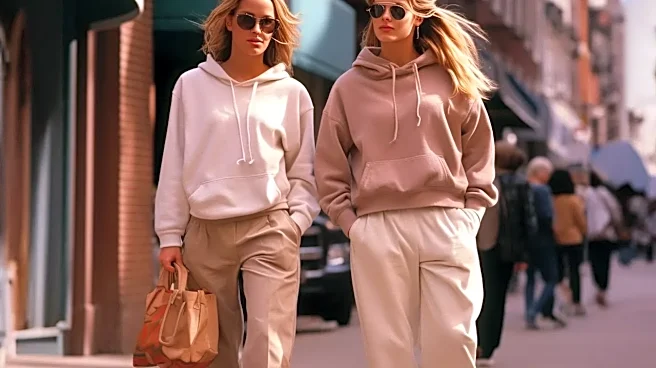
The casual wave even breached the walls of corporate America. The 1990s saw the widespread adoption of "Casual Friday," a trend that started as a marketing ploy but quickly became a workplace institution. Having its roots in Hawaii's "Aloha Friday," the practice was popularized on the mainland in the early 90s as a no-cost employee perk. Brands like Dockers capitalized on the confusion, sending out guides to HR departments on how to master "business casual" with items like khakis and polo shirts. This seemingly small change was radical. It broke the seal on non-formal wear at the office, normalizing a relaxed dress code. This erosion of workplace formality paved the way for the total dominance of athleisure and streetwear in the 2000s and beyond, where hoodies, sneakers, and track pants transitioned from weekend-only wear to acceptable attire in nearly every setting.