






Casting Is a Human Story
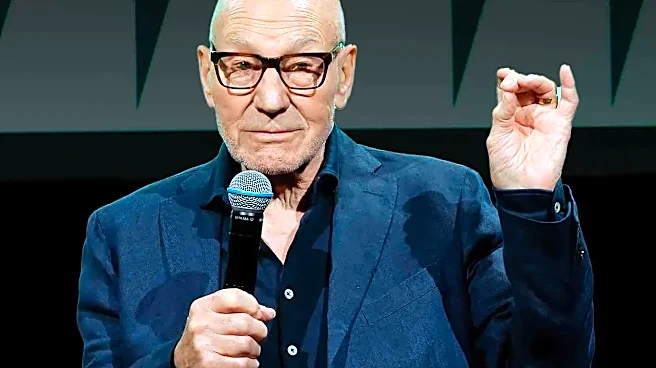
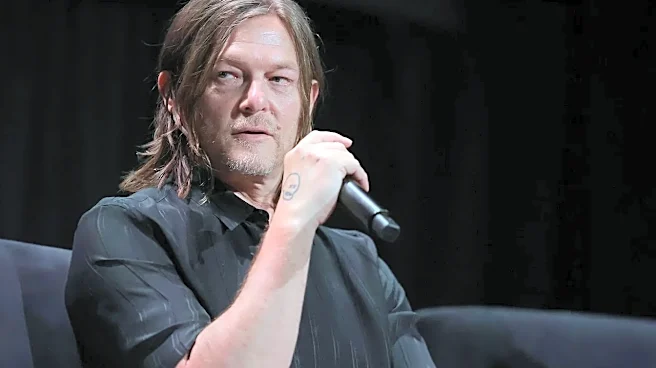
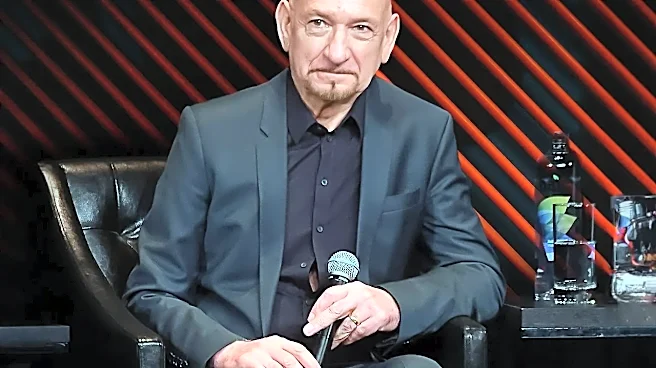
At its core, the difference is simple: casting is about people, and a release date is about a calendar. We are wired to connect with human faces and stories. An actor’s name immediately conjures a personality, a history of past roles, and a specific energy.
When a beloved actor is cast, fans feel seen. When a surprising choice is made, it sparks intense debate about talent, vision, and potential. This emotional connection is something a date can never offer. A release date is a sterile piece of data; a casting choice is the first chapter of the movie’s story. It gives audiences a tangible hero, villain, or icon to rally behind or question. The actor becomes a vessel for the audience's hopes and fears for the character, making the project feel real and immediate in a way a distant date cannot.
The Illusion of Participation
In the age of social media, fandom is not a passive activity. For months or even years before an official announcement, fans engage in “fan casting,” debating their dream choices for iconic roles across platforms like X (formerly Twitter) and Reddit. This process creates a powerful sense of investment and community. When the actual casting is revealed, it’s not just news—it's a direct response to a long-running conversation they have been a part of. Whether the studio's choice aligns with or defies the popular fan-cast, the audience feels involved. In contrast, a release date is a top-down corporate decision. There is no room for fan debate or influence; you either mark your calendar or you don't. This lack of agency makes the announcement far less engaging.
An Infinite Conversation Starter
Casting news is designed to be debated. Is the actor too old, too young, the right fit, or a disastrous choice? The conversation has endless angles. Think of the firestorm of opinions when Robert Pattinson was announced as Batman or the passionate discourse surrounding Halle Bailey’s role as Ariel in “The Little Mermaid.” These discussions generate massive engagement, keeping the project in the news cycle for weeks. A release date, on the other hand, has a very limited potential for conversation. Fans might briefly complain if it clashes with another big movie or celebrate if it’s sooner than expected, but the topic is exhausted almost instantly. There’s no deeper meaning to dissect, no creative vision to argue over. It's a logistical fact, not a creative statement.
Marketing the Dream, Not the Deadline
For modern studios, a major casting announcement is one of the most powerful marketing tools available. It’s a way to generate global headlines and social media buzz for free, often years before a trailer is ready. The announcement itself becomes a media event that defines the project's identity. It’s the first promise of what the film will feel like. By attaching a popular or intriguing star, studios aren't just filling a role; they are acquiring a built-in audience and a spokesperson who will carry the film's promotional weight. A release date is just a pin on a crowded map, subject to change and easily forgotten. But the face of a star? That becomes the symbol of the entire enterprise, creating excitement and anticipation that no calendar date could ever hope to match.