





The Old Guard of Prestige
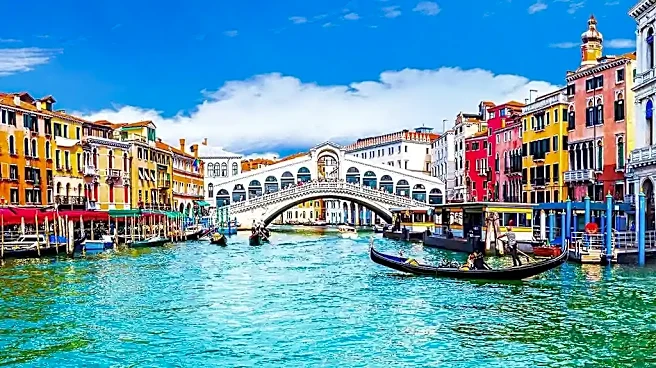
For decades, "prestige" at Venice—the world's oldest film festival—had a distinct flavor. It meant sober, beautifully crafted dramas, often from established European and American auteurs. Think of historical epics, complex character studies, and literary
adaptations destined for the Oscar race. These were films that felt important, weighty, and serious. Past Golden Lion winners like “Au revoir les enfants” (1987) or “Brokeback Mountain” (2005) fit this mold perfectly: artistically ambitious, emotionally resonant, and rooted in a recognizable tradition of high-minded filmmaking. The festival was a launchpad for films that critics would respectfully analyze and awards bodies would dutifully nominate. The formula was understood, respected, and, for a long time, unchallenged.
The New Contenders on the Lido
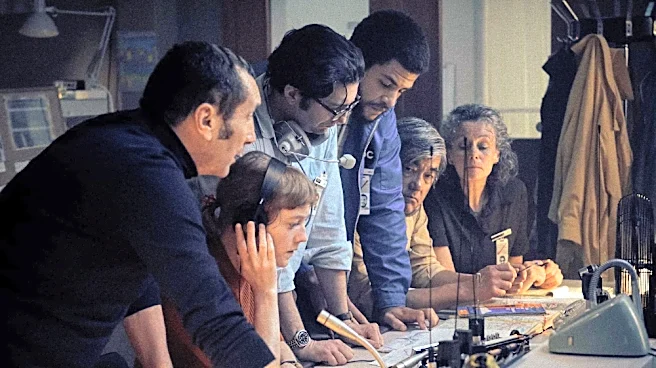
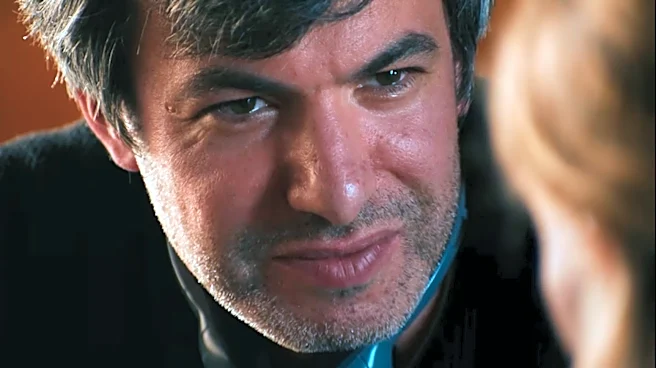
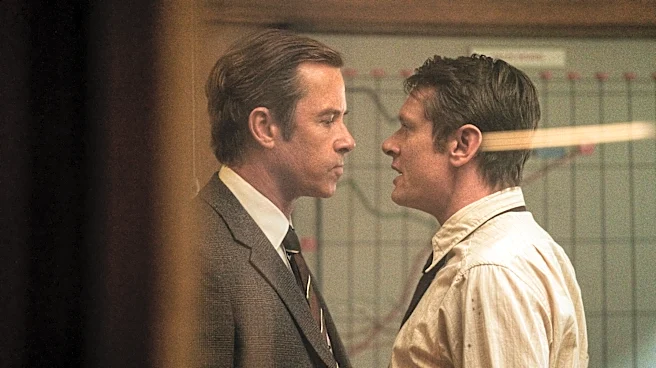
This year's festival, however, tells a different story. While respected auteurs like Martin McDonagh (“Wild Horse Nine”) and Werner Herzog (“Bucking Fastard”) are still major draws, the buzz feels more diffuse and unpredictable. A film like “Primetime,” starring Robert Pattinson as “To Catch a Predator” host Chris Hansen, is a prime example of the new wave. It’s a narrative feature from a documentarian, focused on a bizarre piece of 21st-century pop culture—hardly the stuff of classic prestige. Likewise, the inclusion of genre-adjacent work and films that tackle contemporary anxieties with a more confrontational style points to a broadening definition of 'art.' This isn't about abandoning quality, but about recognizing that it can come in unexpected packages, from messy comedies to stylish thrillers that reflect a messier, more media-saturated world.
What's Driving the Change?
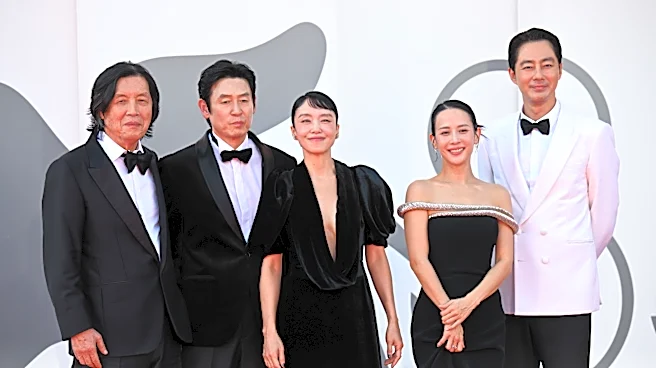
Three powerful forces are fueling this evolution. First, the economics of cinema have been completely upended. The mid-budget adult drama, once a theatrical staple and festival darling, has largely migrated to streaming. Streamers like Netflix, with entries such as Lee Chang-dong's 'Possible Love,' are now dominant players on the festival circuit, bringing with them a different set of priorities and a more global, genre-agnostic slate. Second, the critics and programmers themselves are changing. A younger, more diverse generation of tastemakers grew up on the internet, with an appreciation for everything from blockbuster IP to niche indie horror. Their critical lens is wider and less beholden to the old hierarchies. Finally, there's a sense that festivals like Venice must evolve to stay relevant. By embracing films that challenge the old definition of prestige, they generate new excitement and engage a younger audience that doesn't distinguish between 'high' and 'low' art in the same way.
From Legacy Media to Letterboxd
The shift isn’t just happening in the screening rooms; it’s in how we talk about movies. The era when a handful of powerful critics from major publications could anoint a film as a masterpiece is fading. Today, the conversation is decentralized, driven by social media, fan communities, and platforms like Letterboxd where a witty one-line review can gain as much traction as a formal critique. This democratized discourse has elevated films and filmmakers that might have been overlooked in a previous era. Companies like A24 have masterfully tapped into this, building a brand of 'prestige with street cred' that appeals directly to Millennial and Gen Z audiences. Their success has shown that a film's cultural currency is now built as much on social media buzz and authentic connection as it is on winning a Golden Lion.