


The Promise of Safe Fear
At its core, Halloween Horror Nights operates on a simple, unspoken agreement with every guest who walks through its gates: we will try to scare you, but we will not harm you. This is the concept of 'safe fear,' and it’s the psychological bedrock of the entire
experience. Unlike genuine danger, the terrors within the park are controlled, timed, and ultimately, escapable. Your brain’s prefrontal cortex knows the chainsaw-wielding maniac is an actor and that the zombie horde is on a designated path. But knowing this doesn't stop your amygdala—the brain's alarm system—from flooding your body with adrenaline when a scareactor nails a perfectly timed jump scare. This creates a thrilling dissonance. You get the exhilarating physiological rush of a fight-or-flight response without any of the messy, life-altering consequences of an actual threat. It's a simulated crisis that provides a powerful sense of catharsis and relief once the moment passes.
The Art of Manufacturing Adrenaline
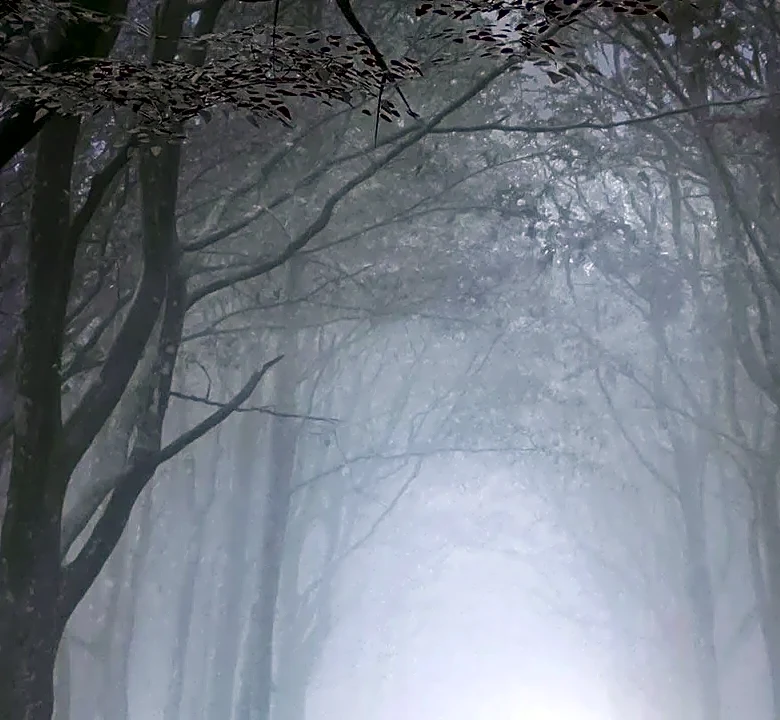
The 'fake' part of Halloween Horror Nights is a testament to immense artistry. The adrenaline it produces is real because the event is a masterclass in psychological manipulation. Universal's creative teams are experts in exploiting primal fears through meticulously designed environments. They use claustrophobic corridors, disorienting fog, strobing lights, and oppressive sound design to keep your senses on high alert. The scares themselves are not random; they are a science. Performers, known as scareactors, are trained to use misdirection, timing, and an understanding of sightlines to maximize impact. They don't just jump out; they emerge from the one corner you weren't watching while a loud noise draws your attention elsewhere. This level of craft isn't meant to convince you that monsters are real, but to bypass your rational brain and trigger a direct, instinctual reaction. The 'fakeness' is in the elaborate construction; the 'realness' is the panic it induces in your nervous system.
It’s Not Just Horror, It’s a Party
The contradiction extends beyond the haunted houses. The entire park environment is designed to constantly remind you that this is all for fun. Between the terrifying mazes and scare zones are pockets of reprieve filled with pulsing music, elaborate themed snacks, and specialty cocktails. Groups of friends stumble out of a house, screaming one moment and bursting into laughter the next, recounting who jumped the highest. This social aspect is crucial. Fear can be an isolating emotion, but HHN transforms it into a communal bonding experience. The shared screams and laughter create a sense of camaraderie and reinforce the underlying safety of the event. It’s this party atmosphere that deflates any potential for genuine, lingering dread. You're not surviving a horror movie; you're attending a massive, macabre celebration where the scares are just one part of the entertainment.
The Whiplash Is the Entire Product
Ultimately, the headline gets it exactly right. The point of Halloween Horror Nights isn't to be real horror. Real horror is trauma. The product being sold is the exhilarating emotional whiplash between intellectual awareness and primal reaction. It's the jolt of moving from terror to relief in a matter of seconds, over and over again. Your mind says, 'This is an actor in a mask,' while your body screams, 'WE ARE GOING TO DIE!' That brief, intense conflict is the source of the addictive rush. Universal has perfected the art of delivering a potent, controlled dose of panic that leaves you feeling alive, accomplished, and eager for the next scare. You don't leave feeling traumatized; you leave feeling triumphant, having 'survived' the gauntlet. The fact that the threat was never real is precisely what makes the experience so profoundly fun.