

The Anatomy of a Singalong
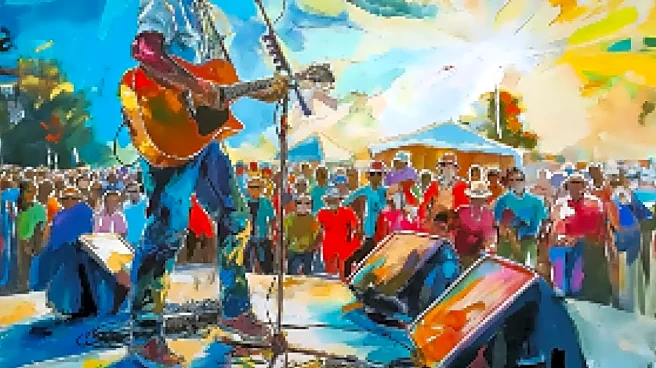
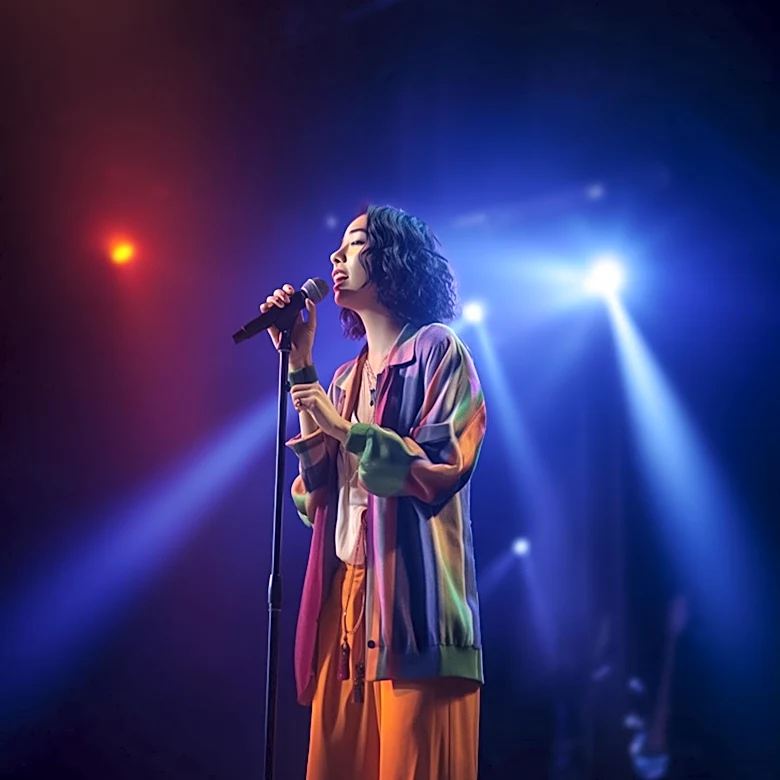
Picture the scene: the sun is setting over Fort Adams, casting a golden light on a crowd that has spent the day soaking in music. An artist on stage launches into a beloved, iconic song—perhaps a classic from a legend who once graced the same stage, or a modern
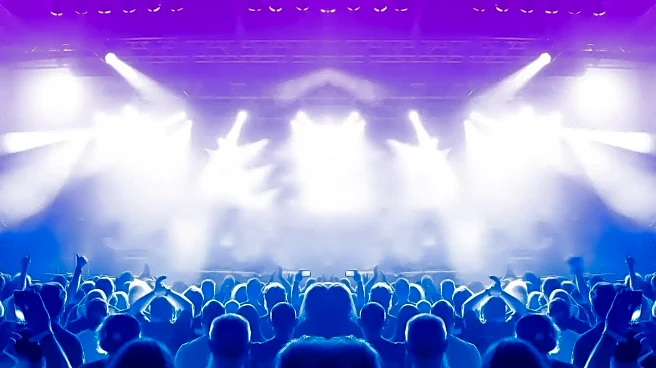
anthem everyone knows by heart. The first few voices join in, then dozens, then hundreds, until the air is thick with the sound of a massive, impromptu choir. It’s a recurring highlight, whether it’s a planned finale with dozens of musicians on stage or a spontaneous eruption during a single artist's set. In these moments, the line between performer and audience blurs. Individual identities seem to melt away, replaced by a temporary, powerful sense of 'us.' This isn't just a crowd enjoying a show; it's a community being forged in real-time, one shared verse at a time. It’s a feeling of belonging that is both deeply personal and profoundly public, and it’s a core part of the Newport experience.
Your Brain on Folk Music
So, what's actually happening when we all sing together? It’s not just a nice feeling; it's a neurological event. The simple act of singing in a group triggers the release of several key chemicals in your brain. The most important of these is oxytocin, often called the “bonding hormone” or “love hormone.” This is the same chemical that facilitates trust and connection between mothers and infants, and between romantic partners. When a crowd sings together, their bodies are getting a natural dose of a substance that literally encourages social bonding. At the same time, singing releases endorphins, which create feelings of pleasure and can even increase our pain tolerance. It also reduces cortisol, the stress hormone. Our brains are essentially rewarding us for participating in a collective activity. By synchronizing our voices and even our breathing, we are telling our ancient, tribal brains that we are safe, that we are among friends, and that we belong.
The Echo of Collective Effervescence
Over a century ago, the sociologist Émile Durkheim coined a term for this very phenomenon: “collective effervescence.” He used it to describe the shared feeling of intense energy and unity that people experience during communal rituals. While he was studying religious ceremonies, the concept perfectly describes a modern music festival. Live music events, and especially participatory ones like Newport, act as secular rituals that create temporary, sacred spaces. The shared focus, the synchronized activity of singing and clapping, and the collective emotional response to the music all contribute to this powerful feeling of being part of something larger than oneself. At Newport, this isn’t just a happy accident; it’s baked into the festival’s DNA. It’s an event where community and collaboration are just as important as the lineup itself, which is famously sold out long before any artists are even announced.
A Tradition of Togetherness
The singalong spirit at Newport isn't a new trend; it's rooted in the festival’s long history as a hub for social and political expression. Since its founding in 1959, Newport has been a platform for the music of the people. During the Civil Rights Movement, artists and attendees marched together, and anthems like “We Shall Overcome” echoed across the fort. Folk music has always been a storytelling medium, a way for communities to share their struggles, joys, and beliefs. That tradition continues today. While the genres have broadened to include everything from indie rock to soul, the core ethos remains. The festival’s emphasis on surprise collaborations and all-star jams reinforces this message: music is not a competition, but a conversation. When the audience joins that conversation by singing along, they are participating in a tradition that is decades old.