




More Than Just a Style
The term “cap-friendly” might evoke images of salary caps in team sports, but in the context of a blistering New York summer, its meaning is far more literal and practical. Braided styles are inherently cap-friendly—they fit neatly under the visors and hats
essential for battling the sun and brutal humidity at Flushing Meadows. Beyond that, the phrase points to a hairstyle that is efficient, durable, and requires zero mid-match thought. For an athlete whose focus is their most valuable asset, eliminating a distraction like loose hair isn't a small thing; it's a competitive advantage. A stray strand blocking your vision on a break point or a tie-back coming loose during a crucial rally can be the difference in a tight match. Braids offer a set-it-and-forget-it solution that lasts the entire two-week grind of a Grand Slam.
The Functional Advantage
The benefits of braids go far beyond just staying out of a player's face. They are a masterclass in heat and sweat management. Styles like cornrows or knotless braids keep hair secured close to the scalp, which helps keep a player cooler and prevents hair from becoming a sweaty, tangled mess. This is crucial during grueling three- or five-set matches in the notorious New York heat. Furthermore, braids are a protective style. Constant, high-tension ponytails can lead to breakage, but well-installed braids reduce stress on the hair follicles and protect the strands from friction and environmental damage. Players can train, compete, and recover without the daily hassle of washing and re-styling, saving valuable time and energy over the course of a demanding tournament.
A Legacy Woven in Braids
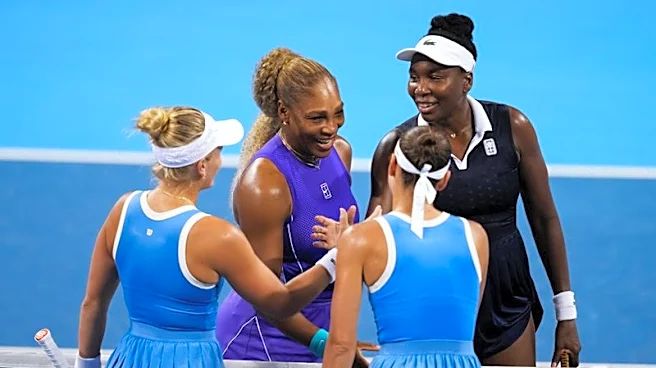
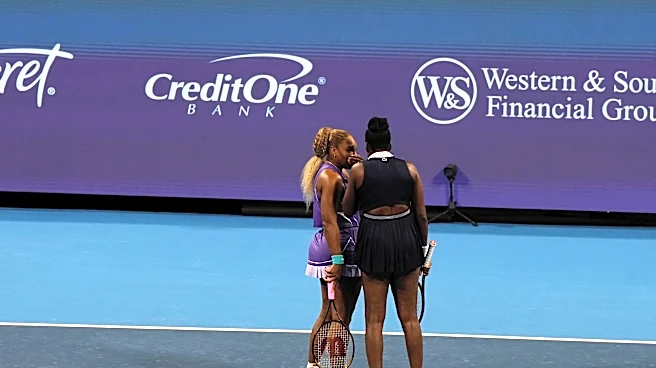
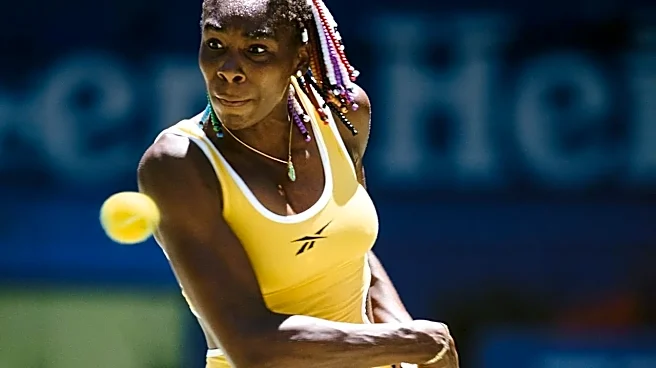
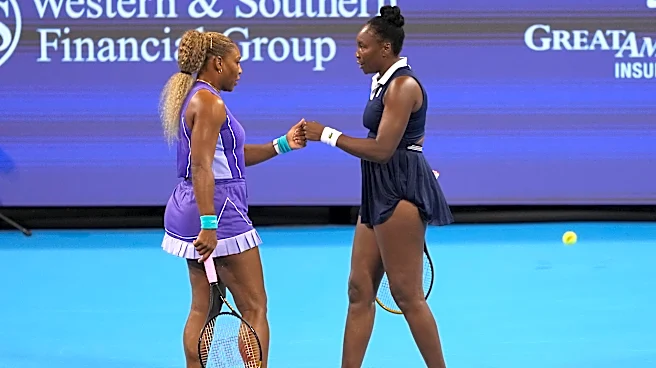
The prominence of braids on the pro tour today stands on the shoulders of giants. Venus and Serena Williams didn't just revolutionize the game with their power and athleticism; they brought Black hair and its cultural significance to the forefront of a traditionally conservative sport. In their early careers, their beaded braids were a bold statement of identity and youthfulness. They faced criticism but refused to conform, opening the door for future generations of players to express themselves authentically. Their hairstyles were a declaration that players could be elite champions without sacrificing their cultural heritage. This legacy has inspired countless athletes, showing that on-court style can be a powerful form of personal and cultural expression.
The Modern Torchbearers
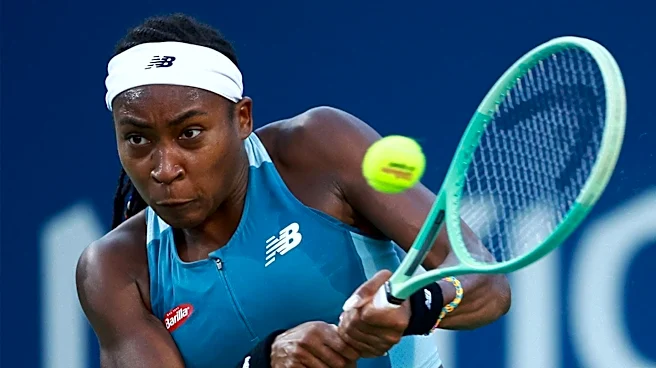
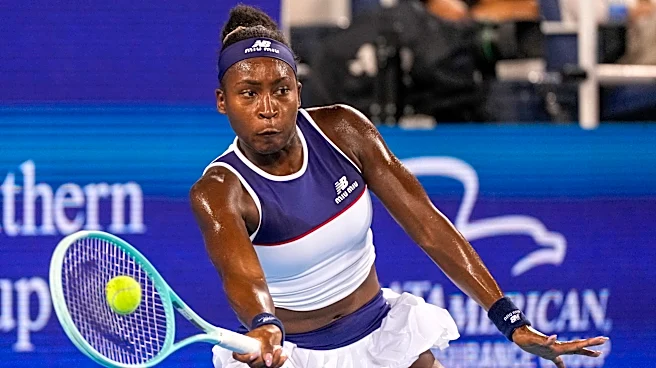
Today, a new generation of stars proudly carries that torch. American sensation Coco Gauff has become as known for her dynamic game as for her versatile braided hairstyles. Whether sporting long, flowing knotless braids or intricate cornrow designs, Gauff’s hair is an integral part of her on-court presence. Her styles, which can take hours to complete, are planned with her tournament schedule in mind, demonstrating the level of preparation that goes into every aspect of her game. Other players, like Naomi Osaka, have also used braids as a canvas for expression, incorporating colors and accessories that reflect her personality and heritage. Even on the men's tour, players like Carlos Alcaraz have been seen sporting braids, signaling a broader adoption of the style for its blend of function and fashion.