







More Than Just a Restart
For most of soccer’s history, the throw-in was a necessary, but unglamorous, part of the game. It was a simple way to get the ball back in play after it crossed the touchline—nothing more. Teams and coaches paid it little mind, often losing possession
moments after restarting. With an average of 40 to 60 throw-ins per match, a staggering amount of potential was being squandered. The prevailing wisdom was to simply get the ball back on the field, often by hurling it down the line and hoping for the best. This approach was reactive and inefficient, a tactical blind spot hiding in plain sight.
The Rise of the Specialist Coach
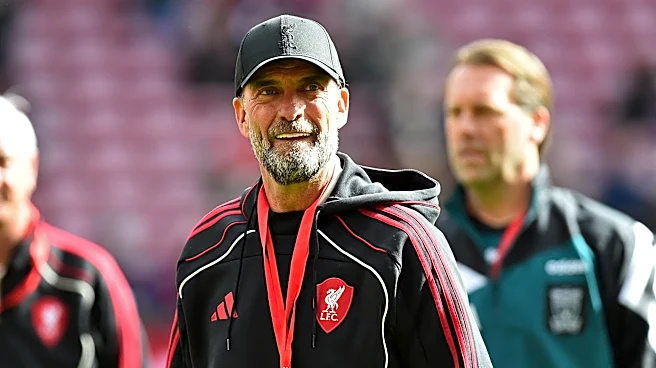
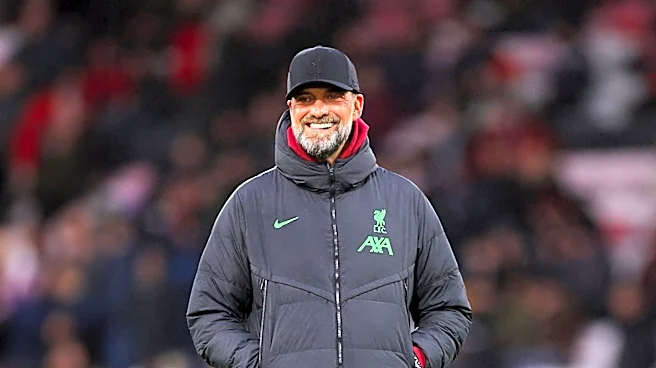
The revolution began with a man who saw what others missed. Thomas Grønnemark, a former Danish athlete and bobsledder, turned his unique skill set into a new profession: throw-in coach. After setting a world record for the longest throw-in, he developed a philosophy that went far beyond mere distance. When Liverpool manager Jürgen Klopp hired him in 2018, many in the media ridiculed the decision. But the results were undeniable. Liverpool went from being one of the worst teams in the Premier League at retaining possession from throw-ins to one of the best in Europe, transforming a weakness into a significant advantage. Grønnemark’s philosophy is built on three pillars: the long, the fast, and the clever throw-in.
The Long Throw: A Brutal Weapon
The most visible and intimidating type of tactical throw-in is the long throw. Pioneered in the modern era by players like Rory Delap, whose javelin-throwing background allowed him to launch the ball with a flat, powerful trajectory, it functions as a more chaotic corner kick. A key advantage is that players cannot be offside from a throw-in, allowing attackers to crowd the six-yard box and create havoc. Unlike a looping corner, a flat, fast throw is incredibly difficult for defenders and goalkeepers to judge and clear effectively. It’s not just about brute strength; it requires a specific technique that involves the entire body to generate power and a flat trajectory, turning a sideline restart into an immediate goal-scoring threat.
The 'Fast and Clever' Game
While long throws grab headlines, Grønnemark’s “fast and clever” principles are arguably more transformative. The “fast” throw capitalizes on disorganization. By taking a throw-in within five seconds, a team can exploit a defense that hasn't had time to reset, finding unmarked players in pockets of space. The “clever” throw involves choreographed movements designed to retain possession and unlock defenses. This can include players creating screens to free up a teammate, decoy runs that pull defenders out of position, or quick one-two passes with the thrower to create a new angle of attack. At clubs like Liverpool, the goal became ball retention and creating structured attacks from a previously unstructured moment.
The New Tactical Frontier
The success of specialist throw-in coaching has removed the stigma associated with focusing on this restart. What was once considered a tactic for lower-league teams is now a staple of elite clubs across Europe. Analysts and coaches now dedicate significant time to developing and defending against throw-in routines. Teams use data to identify the most dangerous zones to target and choreograph movements to maximize second-ball opportunities—the chaotic ricochets that often lead to goals. This evolution has turned a simple restart into a complex tactical chess match, where a few feet of space gained on the touchline can decide the outcome of a championship.