
Born from Necessity in the Trenches
Before it was a fashion statement, the trench coat was a piece of high-performance military gear. Its story begins in the waterlogged trenches of World War I, where the heavy, wool greatcoats worn by soldiers were impractical. British officers needed
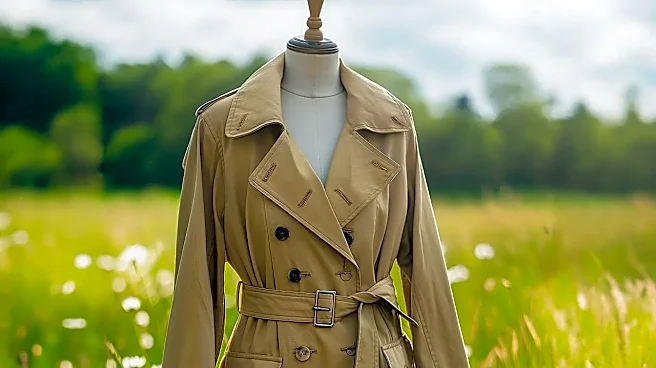
something lighter and more water-resistant. Two English outfitters, Burberry and Aquascutum, stepped up, developing durable, waterproofed cotton gabardine coats. These garments were not standard issue; officers purchased them privately, immediately establishing the coat as a mark of rank and status. Every feature served a purpose: the shoulder epaulets displayed rank, the D-rings on the belt held map cases or grenades, and the storm flap kept water out while aiming a rifle. This functional design, intended for survival and command, laid the groundwork for its future symbolism of authority.
The Hollywood Code of Mystery
After the war, veterans brought their coats home, and the trench slowly transitioned into civilian life. But it was Hollywood in the 1930s and ‘40s that truly defined its character. In the shadowy world of film noir, the trench coat became the unofficial uniform for private detectives, spies, and morally ambiguous heroes. When Humphrey Bogart wore one as Rick Blaine in 'Casablanca', he cemented its association with world-weary sophistication and romantic melancholy. The coat’s very design—the high collar, the concealing length—made it perfect for characters who operated in the gray areas of society. It suggested a person with secrets, someone who was guarded, detached, and always prepared for a sudden downpour or a double-cross.
A Uniform for Spies and Femme Fatales
The trench coat's association with espionage and danger continued to grow throughout the Cold War. It became the visual shorthand for spies in countless films and novels, men and women who lived lives of quiet observation and sudden action. Simultaneously, the coat was being adopted by powerful female figures on and off the screen. Actresses like Marlene Dietrich and Katharine Hepburn wore trench coats, co-opting their masculine authority to project an image of fierce independence. The coat allowed women to appear strong and capable without sacrificing style. Audrey Hepburn’s iconic, rain-soaked finale in 'Breakfast at Tiffany’s' further solidified the trench coat’s place as a symbol of both vulnerability and timeless glamour.
The Modern Symbol of Distance and Power
Today, the trench coat retains all these layered meanings. It’s a staple in the modern professional’s wardrobe, a quick way to signal competence and quiet authority. When a powerful CEO or politician wears a trench coat, they are subconsciously tapping into its century-old legacy of military leadership. For women, it remains a symbol of empowerment, representing an ability to command respect in any environment. Its loose, structured fit creates a physical and metaphorical distance, a protective barrier between the wearer and the world. It says, 'I am self-reliant, prepared, and perhaps, I know something you don’t.' It’s this blend of practicality and mythology that makes it so enduring.