

Start by Identifying Your 'Star Player'
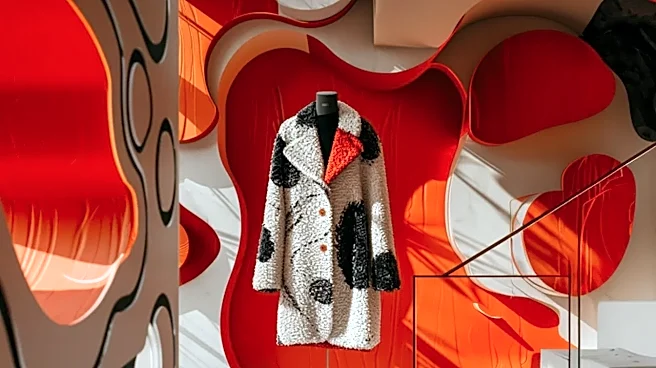
Every outfit has a focal point, whether you plan it or not. It could be a boldly printed dress, a pair of statement boots, or a brightly colored handbag. The first step is to identify that 'star' piece. If your outfit already has a clear, attention-grabbing
element, your job is to support it, not compete with it. For example, if you're wearing an extravagant floral blouse, adding a chunky, colorful necklace and a patterned bag will likely create visual chaos. In this case, the blouse is the star, and restraint is your strategy. The rest of your pieces—pants, shoes, and other accessories—should be simple and complementary to let the main piece shine.
When to Lean into Contrast
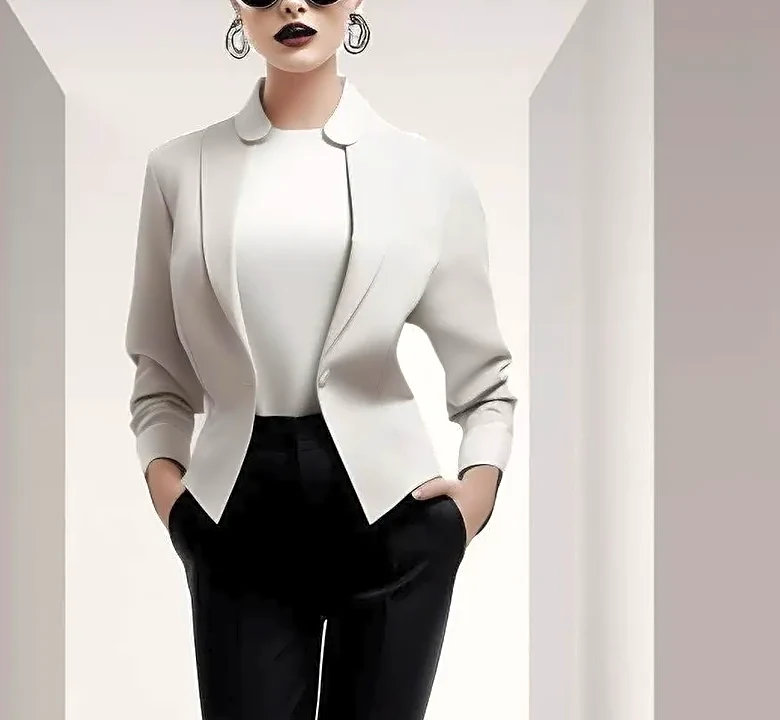
Contrast is what makes an outfit feel dynamic and intentional. An outfit built entirely on simple, neutral basics can sometimes feel flat. This is where contrast comes in. You can introduce it in several ways. The most obvious is color—pairing complementary colors (opposites on the color wheel, like blue and orange) creates a high-energy look. If that feels too bold, try a pop of color with an accessory, like a bright red bag with an all-black outfit. Another powerful tool is textural contrast. Pairing different fabric textures adds depth and sophistication. Think of a chunky knit sweater with a sleek silk skirt, or a rugged leather jacket over a soft cotton dress. These combinations create interest without necessarily adding more color.
The Power of Restraint and Tonal Dressing
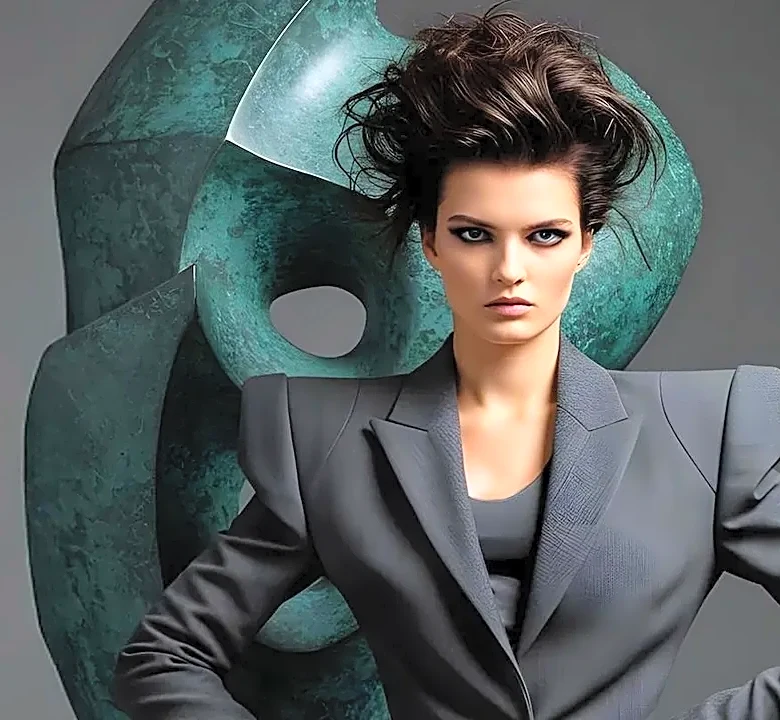
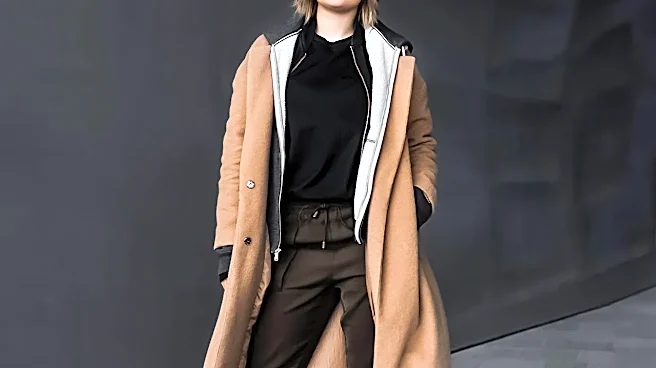
Restraint is often harder to master than contrast because it requires confidence. It’s the art of knowing when an outfit is complete without adding another thing. Restrained dressing shines in tonal or monochromatic looks, where you wear different shades and tints of a single color. An all-beige or all-gray outfit, for instance, can look incredibly luxurious and put-together. The key to successful tonal dressing is to mix textures to prevent the look from becoming one-dimensional. You might combine a beige cashmere sweater, cream-colored silk pants, and a tan leather belt. The subtle shifts in texture and shade create a rich, cohesive look that feels elegant and effortless.
Using Accessories as Your Guide
Accessories are the easiest way to adjust the balance of an outfit. If your clothing is simple and neutral, a statement piece of jewelry can provide the perfect focal point. A bold necklace or a pair of dramatic earrings can instantly elevate a plain t-shirt and jeans. Conversely, if your outfit is already loud, your accessories should be quiet. Opt for delicate chains, simple studs, or a classic watch that complements the look without overwhelming it. Think of it as a balancing act: if you have a statement piece, let it be the star. Don't force multiple bold accessories to compete for attention.
The Final Mirror Check: A Quick Q&A
Before you walk out the door, ask yourself a few simple questions. First, where does my eye go immediately? If you can't decide because multiple things are competing, you probably need more restraint. Try removing one accessory. Second, does the outfit feel flat or uninspired? If so, you might need a dose of contrast. Try adding a different texture or a single pop of color via a scarf, belt, or shoes. Finally, does this feel like me? Some people thrive on high-contrast looks, while others prefer the quiet confidence of a tonal outfit. The 'rules' are just guidelines; the goal is to create a look that feels balanced and authentic to you.