

The Old-School Premiere Playbook
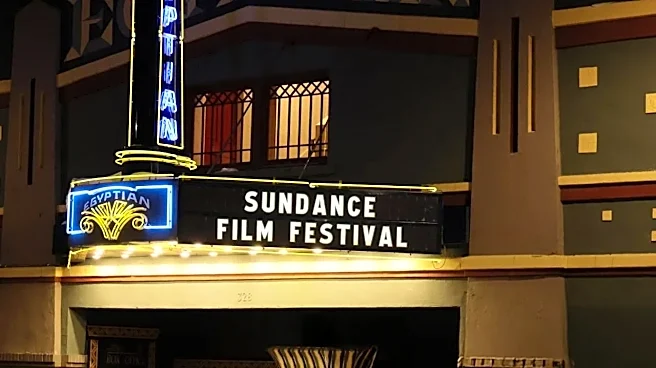
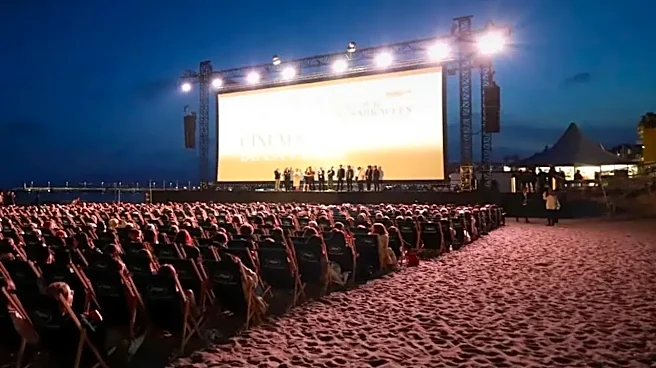
Not long ago, the goal of a film festival premiere was straightforward and high-stakes. For an independent filmmaker, a slot at a prestigious event like the BFI London Film Festival was a golden ticket. The primary objective was to catch the eye of distributors.
A well-received screening could spark a bidding war, securing a theatrical release and a future for the film beyond the festival circuit. For established studios, it was about generating buzz and positioning a movie for awards season. Critics' reviews and audience reactions were the currency, creating a narrative of prestige that would carry the film through its cinematic run. The premiere was the starting gun for a marathon, not the finish line itself.
The Streaming Giants Arrive
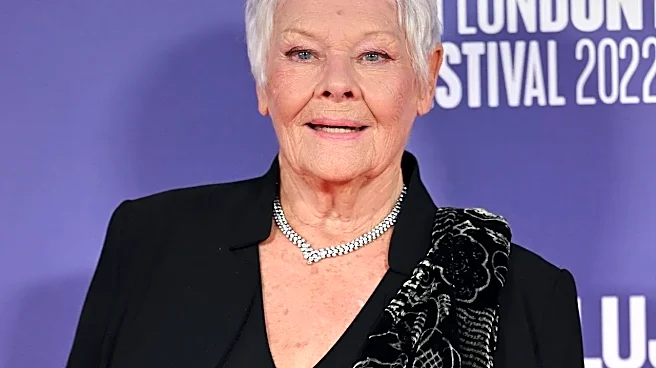
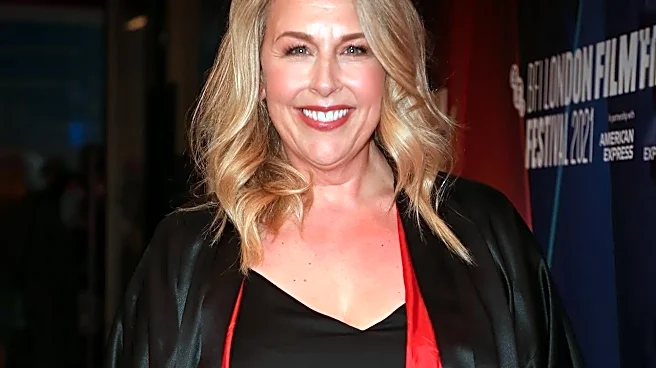
Enter the streamers. Companies like Netflix, Amazon's Prime Video, and Apple TV+ didn't come to festivals to sell their films; they came to launch them. Their model flipped the script entirely. Instead of seeking a distribution deal, these tech behemoths arrived with global distribution already built-in. For them, a festival premiere is a powerful marketing beat. At this year's 70th BFI London Film Festival, for instance, high-profile world premieres include 'Ray Gunn', an animated feature from director Brad Bird that is backed by Netflix and will stream from December. The red-carpet event provides cultural legitimacy and press coverage that a simple 'now streaming' announcement could never match. It transforms a content drop into a cultural event, using the festival's curated brand to signal quality and importance to millions of subscribers worldwide.
A Redefined 'Win' for Filmmakers
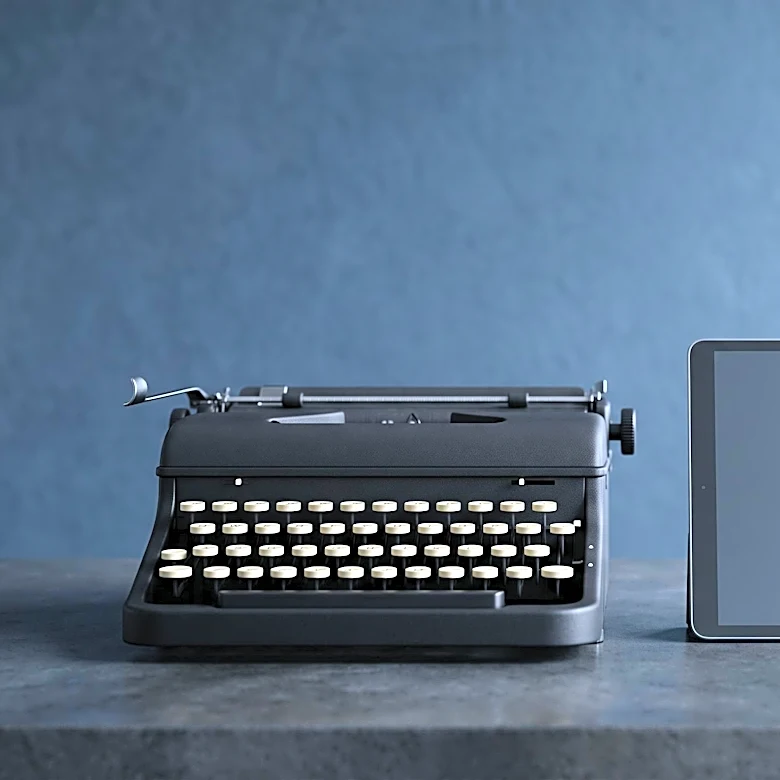
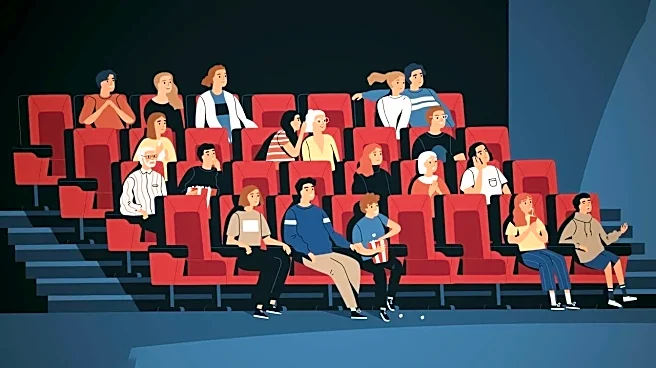
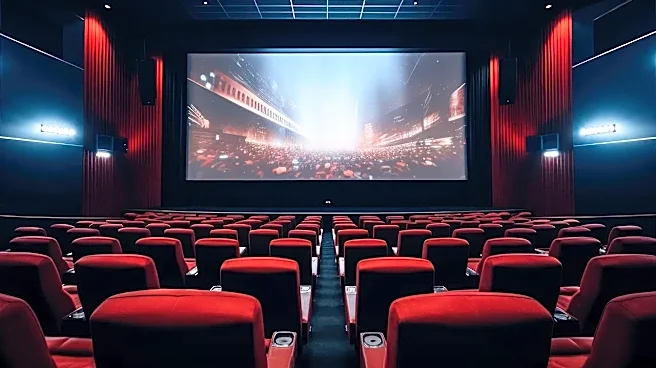
This new landscape presents a complex trade-off for creators. For a filmmaker, a deal with a streamer can mean a significant upfront payday, eliminating the financial gamble of a traditional theatrical release. The film gets a global audience overnight, accessible in dozens of countries simultaneously. However, this certainty comes at a cost. The communal experience of watching a film in a packed theater, a key part of festival buzz, is replaced by a more solitary, algorithmic-driven viewing experience at home. The conversation shifts from the big screen to the social media feed. While some argue this democratizes access, others worry it devalues the cinematic art form, crafting stories for an iPad screen rather than a 40-foot one.
The Festival's New Hybrid Role
Film festivals themselves are adapting to this new reality. They are no longer just marketplaces for physical distribution but have become crucial platforms for building brand prestige for streaming services. The BFI itself has leaned into digital access for years, launching its own BFI Player to bring festival content to a wider UK audience. This hybrid model—celebrating the physical premiere while embracing digital reach—is the new normal. Festivals now serve a dual purpose: they are a public-facing celebration of cinema and a vital industry event where streaming strategies are put on display. While some industry members might now bypass the main festival for separate awards-voter screenings, festival directors emphasize that their primary audience remains the public.
What About the Indies?
While streaming-backed galas grab headlines, a major question hangs over the industry: what happens to the small, independent films that still rely on the old model? With streamers commanding so much attention and acquiring films early, it can be harder for true discovery to take place. The festival's role as a launchpad for unknown talent is still critical, but these smaller films must now compete for oxygen in a landscape dominated by star-studded streaming premieres. The festival remains a vital filter, concentrating attention on a curated selection of films that might otherwise be lost in the infinite scroll of a streaming library. A premiere can still give a smaller film the institutional stamp it needs to be noticed, but the path to success has become undeniably more complicated.