



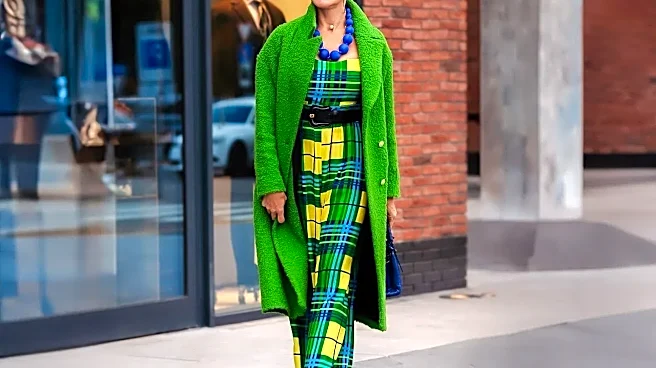


First, What Is 12-Season Analysis?
At its core, 12-season color analysis is an expanded version of the original four-season system from the 1980s. That classic method placed everyone into one of four categories: Spring, Summer, Autumn, or Winter. The 12-season model refines this by adding
a secondary characteristic, creating more nuanced sub-categories like "Bright Winter," "Warm Spring," or "Soft Autumn." The system analyzes your natural hair, skin, and eye coloring to determine your dominant traits—typically hue (warm or cool), value (light or dark), and chroma (bright or muted). The result is a specific palette of colors that, in theory, harmonize perfectly with your natural features, making you look more vibrant and put-together.
The Core Disagreement: Rigidity vs. Nuance
The primary reason for the stylist civil war is the system's inherent rigidity. Many professionals argue that human coloring is a spectrum, not a set of 12 distinct boxes. People often have a complex mix of characteristics—like cool hair with warm-toned skin, or neutral undertones that defy a simple warm/cool classification—that the system struggles to categorize cleanly. This can lead to analysts arriving at different conclusions for the same person, or clients feeling like none of the seasons quite fit. Critics find that forcing someone into a predetermined palette can be limiting, stifling the individuality and personal expression that style is all about.
It's About More Than Just Undertone
Another point of contention is that the 12-season system can sometimes oversimplify the analysis by focusing too heavily on undertone. While knowing if you lean warm or cool is a helpful starting point, many stylists believe other factors are equally, if not more, important. Things like your personal contrast level—the difference in value between your hair, eyes, and skin—can dictate whether you look better in bold, sharp color combinations or softer, more blended ones. Furthermore, personality and lifestyle play a huge role. A stylist might argue that a person’s energy and how they want to present themselves to the world should influence their color choices, something a rigid seasonal chart can't account for.
The Rise of Personalized Approaches
Because of these limitations, many stylists are moving beyond strict seasonal models. They're embracing more bespoke methods, sometimes called "tonal systems" or "personal color mapping." These approaches still use the foundational principles of color theory, but they ditch the seasonal names in favor of building a completely custom palette for each client. An analyst might focus on identifying a person’s most dominant color characteristic—be it "deep," "light," "soft," or "clear"—and building a wardrobe from there. This highly individualized approach allows for more flexibility and acknowledges that the same color can look vastly different depending on fabric, fit, and how it's styled.