




The Morning-to-Afternoon Dilemma
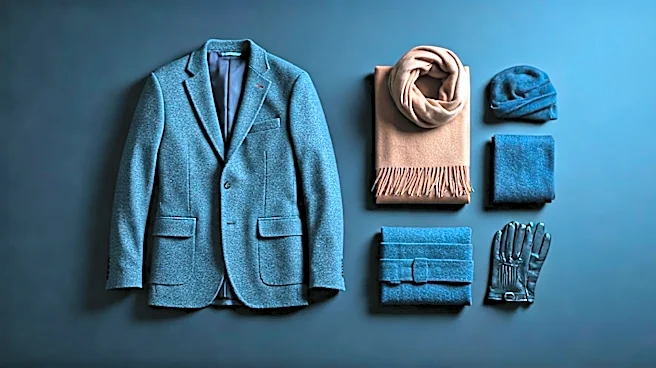
You know the feeling. You leave for work on a crisp 48-degree morning, bundled in a proper coat. By lunchtime, the sun has broken through, it’s a pleasant 65, and you’re schlepping that same bulky coat over your arm like a defeated general. Or you do
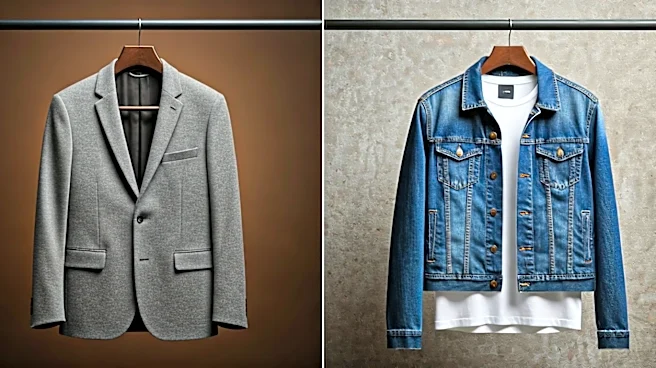
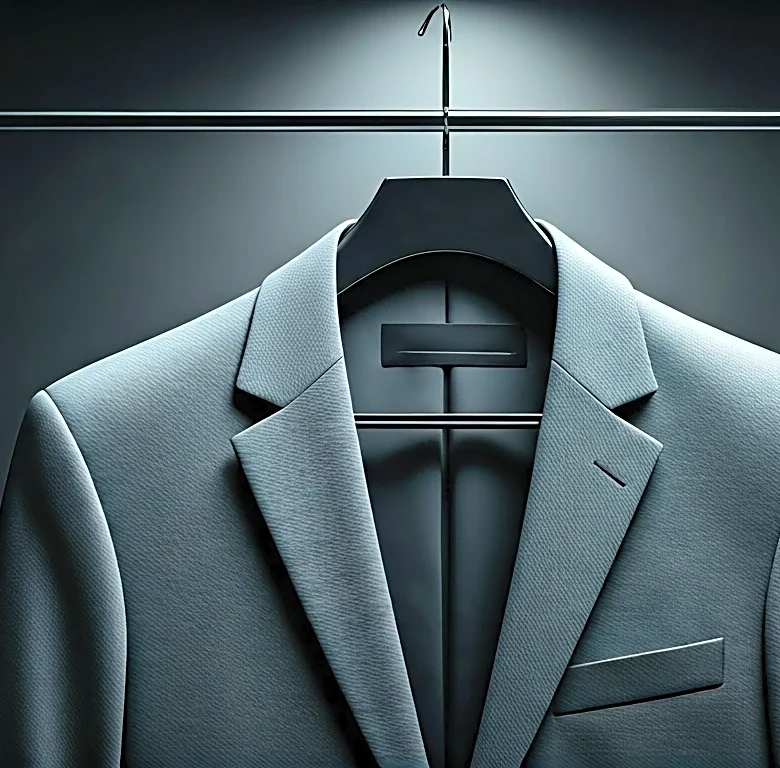
the opposite: you brave the morning chill in a light jacket, only to find yourself sweating on the subway platform. This is the core challenge of transitional weather. For decades, the default male solution has been clumsy and binary: either you’re wearing a coat, or you’re not. The options in between often felt uninspired—a zip-up hoodie, a rumpled windbreaker—functional, perhaps, but rarely stylish. It’s a daily problem that makes getting dressed a frustrating guessing game, forcing a choice between being comfortable in the morning or comfortable in the afternoon, but never both.
Enter the 'Third Piece'
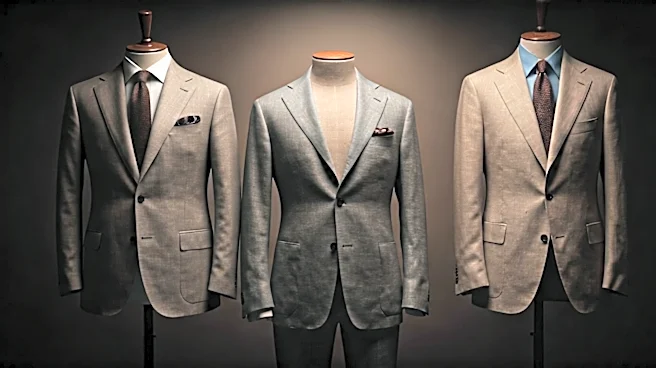
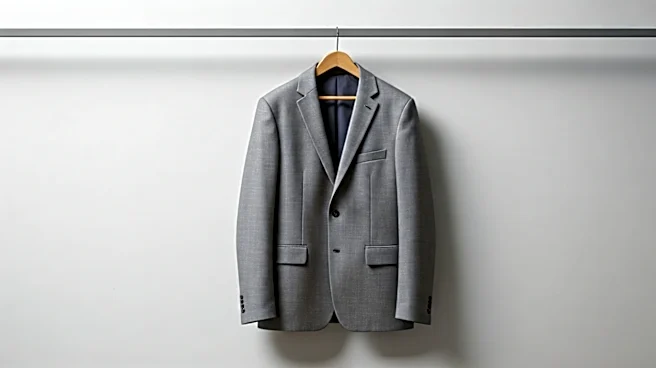
Milan’s answer isn’t a single, magical garment but a philosophy: the elevation of the “third piece.” It’s the item you wear that isn’t your shirt or your pants. But instead of defaulting to a heavy coat or a casual fleece, designers like Zegna, Prada, and Brunello Cucinelli are championing a new class of sophisticated, lightweight layers. Think tailored vests (or gilets, if you’re feeling continental) in luxe wool or technical nylon, worn over a cashmere crewneck. Picture sharp, unlined blazers that feel more like a shirt, or luxurious knit cardigans that function as outerwear. What these pieces have in common is their ability to add a precise, targeted amount of warmth and visual interest without the commitment and bulk of a full-blown jacket. They are the versatile middle ground that American menswear has been desperately missing.
The Art of Smart Layering
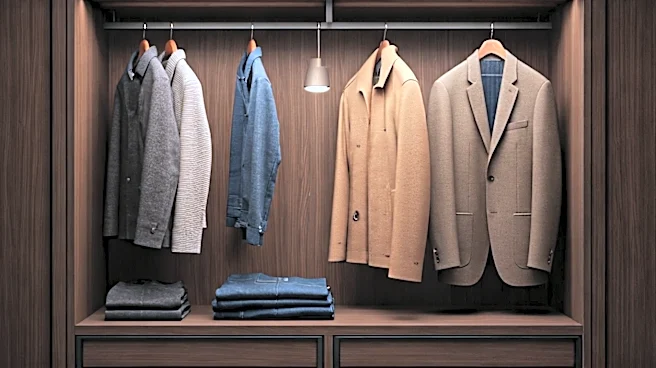
So how does this work in the real world, far from the cobblestone streets of Milan? It’s about building a modular wardrobe. The vest is a perfect example. Worn over an oxford shirt, it keeps your core warm at the office without causing you to overheat, and it looks sharp and intentional. Throw a light trench coat over that same combination for your commute, and you have a weather-proof system. Take the coat off, and you’re ready for dinner indoors. The key is fabrics and fit. These aren't the puffy, outdoorsy vests of Silicon Valley stereotypes; these are tailored pieces in suiting fabrics, fine-gauge knits, or sleek technical materials. They follow the line of the body, adding structure rather than bulk. This approach allows you to regulate your temperature by adding or removing a single, elegant layer—not by ditching a giant parka. It’s a dynamic way of dressing that adapts to your environment throughout the day.
More Than a Trend, It’s a Mindset
Here's why this really matters: this trend reflects a fundamental shift in how modern men live. The rigid division between office wear, casual wear, and evening wear has all but dissolved. We need clothes that can do it all. This move toward versatile, high-quality layering pieces is an investment in practicality. It’s the antithesis of fast fashion—instead of buying a cheap, single-purpose jacket for a specific season, you’re buying a well-made vest or cardigan that can be worn nine months out of the year in dozens of different combinations. It signals a move toward a more considered, sustainable, and ultimately more personal style. It’s about owning fewer, better things that work harder for you. This trend from Milan isn’t just about aesthetics; it’s a smarter, more efficient approach to the modern wardrobe that respects both your comfort and your intelligence.