





The Diary Written in Indigo
Natural denim aging is a slow, personal process. It begins with 'raw' denim—a fabric that is stiff, deeply dyed, and completely untreated after being woven. Think of it as a blank canvas. As you wear these jeans, they become a record of your life. Every
time you sit, squat, or bend your knees, the fabric creases in the same places. Friction slowly rubs away the surface layer of indigo dye at these high-stress points, revealing the white cotton core of the yarn underneath. This creates unique fade patterns that are entirely your own. The radiating lines at your hips are called 'whiskers', and the lattice-like patterns behind your knees are known as 'honeycombs'. A pair worn by a cyclist will fade differently than one worn by an office worker, creating a wearable map of your habits and movements. This is what denim enthusiasts mean when they say you have to 'earn your fades'.
The Illusion of a Life Lived
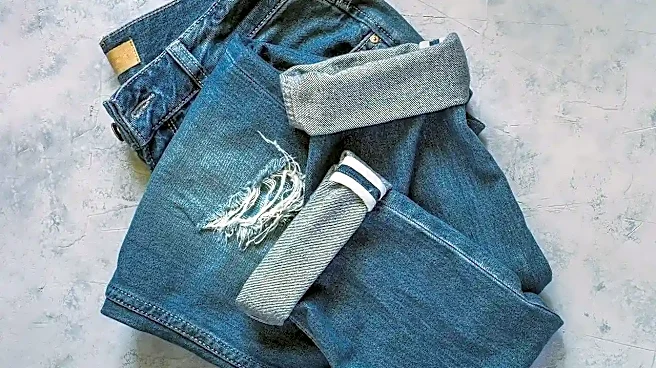
Fabric distressing, on the other hand, is the industrial process of making new jeans look old. Instead of earning the fades through months or years of wear, manufacturers use a battery of techniques to simulate age before the jeans ever hit the store shelf. These methods are designed to create that coveted vintage look instantly. Factories use high-pressure sandblasting, hand sanding with abrasive blocks, and even lasers to strategically wear down the fabric and create artificial whiskers and fades. To soften the stiff material and give it a worn-in feel, jeans are often put through stone washing—tumbled with pumice stones—or treated with enzymes and other chemicals that break down the fibers and the dye. The result is a pair of jeans that looks aged, but the wear patterns are generic, based on a template rather than your actual life.
Authenticity vs. Aesthetic
The core difference between aging and distressing lies in philosophy. Aged raw denim is about authenticity and patience. It’s a collaboration between you and the garment, resulting in something truly one-of-a-kind that molds to your body. The story it tells is real. Distressed denim is about achieving a specific aesthetic quickly and consistently. It prioritizes immediate comfort and trendiness over personalization. There's no break-in period; the jeans are soft and feel 'worn' from the first day. However, this artificial aging process can take a toll. The physical and chemical treatments intentionally weaken the cotton fibers, which means pre-distressed jeans may not last as long as their raw counterparts, which start with their full strength intact. Furthermore, these processes can have a significant environmental impact, using large amounts of water and chemicals.
Becoming a Smarter Denim Shopper
Understanding this distinction can change how you shop for and think about jeans. If you value longevity and a personalized garment that evolves with you, investing in a pair of raw denim jeans can be a rewarding experience. It requires patience, as the first few wears can be stiff, and true character takes time to develop. If your priority is instant comfort and a specific, fashionable look right off the rack, a pre-distressed pair makes more sense. Neither choice is inherently wrong, but they serve different purposes. Knowing what you're buying—a blank story for you to write, or a finished one written by a machine—empowers you to choose the pair that best reflects your personal style and values. Next time you see a faded pair of jeans, you'll know to ask: Whose story is it telling?