




The New A-List
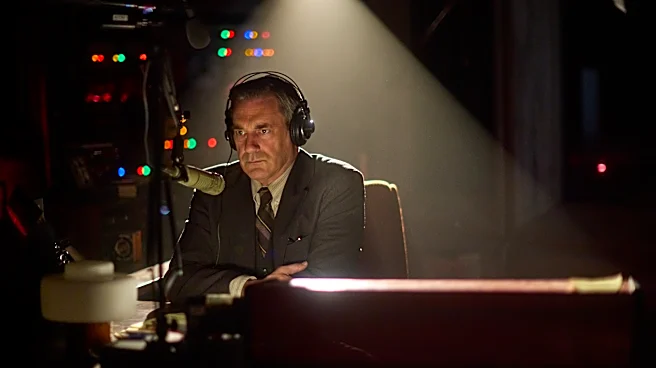
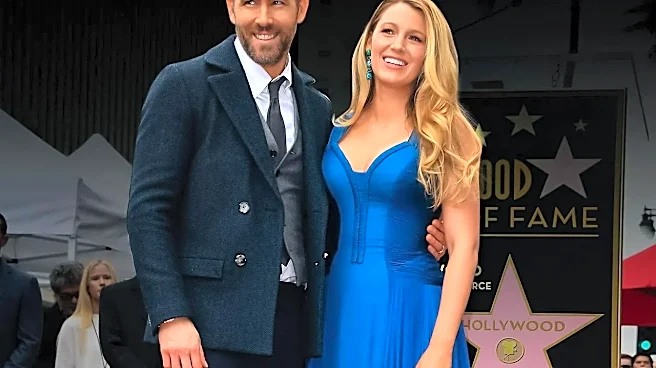
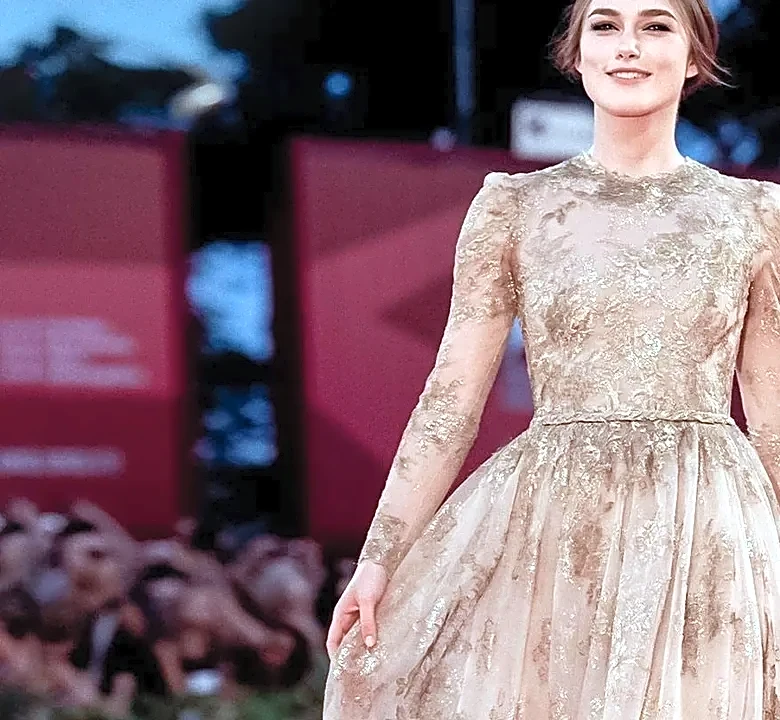
Not long ago, the idea of a podcaster walking the red carpet at a major Hollywood awards show felt like a category error. Today, it’s the new normal. The 2026 Golden Globes solidified this trend by introducing a category for Best Podcast, a move that
formally welcomed audio creators into one of Hollywood's most exclusive clubs. Amy Poehler took home the inaugural award for her show "Good Hang," beating out a slate of nominees that included a mix of Hollywood-adjacent figures like Dax Shepard and pure-play podcasting sensations like Alex Cooper of "Call Her Daddy." Beyond dedicated categories, podcasting's biggest names are now fixtures at events like the iHeartPodcast Awards, held at SXSW, which draw mainstream celebrity presenters and considerable media attention. This isn't just about a few famous actors who happen to have a podcast; it’s about the rise of a new kind of fame, one cultivated through earbuds and intimate, long-form conversations.
Why Hollywood Is Listening
The embrace of podcasters is a strategic move, not just a cultural one. Hollywood is chasing engaged audiences, and top-tier podcasts command armies of loyal listeners. These shows offer a direct line to demographics that are increasingly tuning out traditional media. For studios and networks, podcasts are a low-risk, high-reward pipeline for new intellectual property. Hit narrative series like "Dirty John" and "The Shrink Next Door" have already made the successful leap from audio to the small screen, complete with A-list talent. This pipeline allows creators to test concepts and build a dedicated fanbase before a single frame is shot, using listener data to refine stories and characters. In an era of peak TV and franchise fatigue, a podcast with a built-in audience of millions is one of the most valuable commodities in town.
The Power of Authenticity
What’s the secret to their influence? In a word: authenticity. Or, at least, the perception of it. In a world of carefully managed PR and filtered social media, long-form podcasts offer a raw, unscripted alternative. Listeners spend hours with these hosts, creating a sense of intimacy and trust that traditional celebrity interviews rarely achieve. This deep connection makes podcasters incredibly influential. One study found that 75% of listeners value the influence of podcast hosts more than that of social media influencers or even TV and movie celebrities. For celebrities, launching a podcast has become a powerful way to control their own narrative, connect directly with fans, and bypass the often-fraught relationship with tabloid media. It’s a chance to move beyond the soundbite and show a more human, relatable side.
Convergence or Conquest?
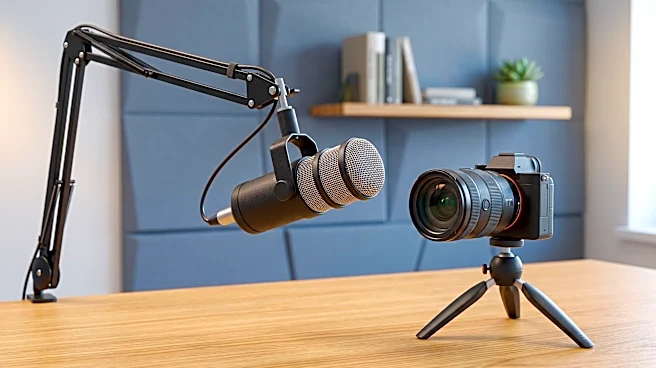
As podcasting becomes more intertwined with the Hollywood ecosystem, the line between the two continues to blur. Major streaming giants like Netflix and YouTube are heavily investing in video podcasts, transforming what was once an audio-only medium into a visual format that competes directly with traditional television. This convergence raises questions about the future. Will podcasting retain its independent spirit, or will it be fully absorbed into the studio system? The creation of official awards categories and the rush to sign top talent to exclusive deals suggest a future where podcasting is less of an outsider and more of an established wing of the entertainment industry. The crossover is no longer a novelty; it represents a fundamental realignment of how content is created, consumed, and celebrated.