



1. The 'Nothing to Show' Tease
This is the cardinal sin of the modern fan event. A studio books the biggest room, flies out the director, and hypes a “first look,” only to show… a title card. Or concept art that already leaked. Fans camp overnight for substance, not a glorified PowerPoint
slide. When the promised reveal is just an announcement of a future announcement, the goodwill in the room evaporates. It feels less like a celebration and more like a corporate placeholder, wasting the time of the most passionate audience a franchise can have.
2. The Tone-Deaf Moderator
A good moderator is an invisible guide; a bad one is an anchor. Nothing sinks a panel faster than a host who clearly hasn’t done the homework. They mispronounce names, ask painfully generic questions that were answered on Google’s front page, or try to insert their own stand-up routine. A moderator's job is to tee up the creators and cast to tell great stories, not to make themselves the star. When they fail, the conversation stalls and a room full of eager fans is left with awkward silence.
3. The Overly Scripted Cast Q&A
Fans come to see their favorite actors, but they also want a peek behind the curtain. When every answer feels like it was written and vetted by a team of publicists, the energy dies. The cast praises the script, the director, the craft services, and each other in a monotonous loop. This corporate-speak approach strips all personality from the event. The most memorable panel moments are spontaneous and genuine. A fully canned presentation might avoid controversy, but it also guarantees zero excitement.
4. The Bait-and-Switch Surprise
For weeks, rumors swirl: a legendary actor will make a surprise appearance. The studio winks and nods, fueling the hype. Then, during the panel, the big moment arrives… and it’s a pre-recorded video of the star saying hello from a distant set. The deflation is palpable. While logistics can be complex, this move feels deceptive. It uses a star's reputation to fill a room without delivering the actual presence that fans queued for hours to experience. It’s a cheap trick that rarely pays off.
5. The Hostile or Dismissive Creator
Fan questions at Q&As can be a mixed bag, ranging from insightful to cringe-worthy. But a creator who gets defensive or openly mocks a fan, no matter how odd the question, creates an incredibly toxic atmosphere. It breaks the unwritten contract of a fan event: that everyone is there because of a shared passion. Whether it's chiding the audience for not understanding their “vision” or getting into a genuine argument, a creator who punches down at their own supporters alienates everyone.
6. Ignoring the Core Fans
When adapting a beloved book or comic, a panel is the first chance to reassure longtime fans that the property is in good hands. A classic mistake is to show off a new direction that fundamentally misunderstands the source material. Panelists might joke about how they never read the books or dismiss key character traits as unimportant. This tells the most dedicated part of the audience that this new version isn't for them, turning potential ambassadors into the project's loudest critics from day one.
7. The Technical Difficulties Apocalypse
It happens. The Wi-Fi is spotty, the clip won't load, the microphone screeches. But there's a difference between a minor hiccup and a total meltdown. When the entire panel hinges on an exclusive trailer that refuses to play, and there's no backup plan, the momentum is dead. The awkward fumbling and apologies can be excruciating. In the era of multi-billion dollar franchises, fans expect a professionally run show. A panel that can’t get its tech in order suggests a deeper level of incompetence.
8. The Overstuffed Panel
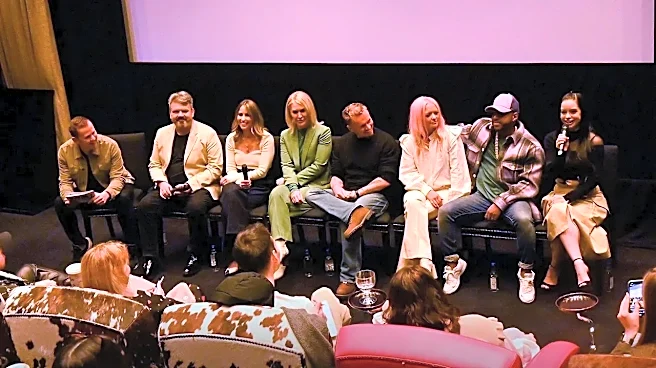
In an effort to show a united front, studios sometimes cram a dozen people onto one stage. The result is chaos. With a limited timeframe, no one gets to say more than a few words. The conversation can't develop, and fan-favorite actors might get completely overlooked. A more focused panel with four or five key people allows for a real discussion. A crowded stage often means a shallow one, leaving the audience feeling like they didn't really get to hear from anyone.
9. The 'Celebrity Petting Zoo' Problem
Some events have become less about sharing news and more about just trotting out famous faces. The panel has no real substance, no exclusive content, and no meaningful interaction. It's what some insiders call a "celebrity petting zoo." The stars are there to be seen, not heard. This approach might generate social media photos, but it leaves audiences feeling empty. It mistakes the presence of celebrity for the purpose of the event, which is to share in the excitement of a story.