


The Anti-Fashion Uniform of the 90s
When Lollapalooza launched in 1991, it was a touring counter-culture circus for the alternative nation. The style wasn't a style at all; it was a uniform born of practicality and shared identity. Think of the quintessential early '90s look: worn-out band
t-shirts (Sonic Youth, Jane's Addiction), faded flannel shirts, ripped denim, and a sturdy pair of Doc Martens. This wasn't about standing out; it was about fitting in with a tribe that defined itself against 80s excess. The clothing was a rejection of high fashion, a badge of authenticity rooted in the grunge and punk rock scenes that the festival championed. The aesthetic was cheap, durable, and conveyed a specific, angsty message: the music matters more than the clothes.
The Internet Arrives, The Camera Turns On
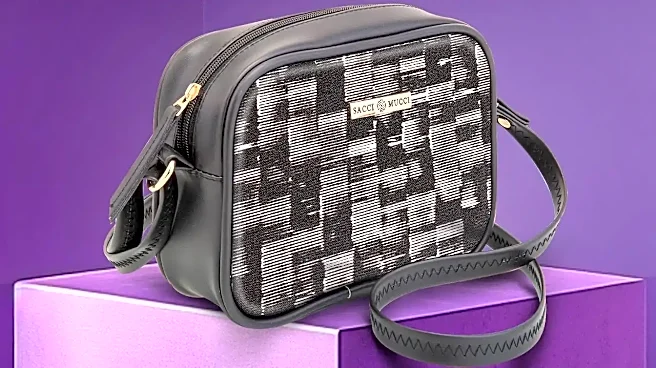
For a decade, festival style remained relatively organic. But then came the internet. As digital cameras, blogs, and early social media platforms emerged in the 2000s, the act of documenting and sharing experiences changed everything. What people wore to festivals began its shift from a subcultural signal to a shareable aesthetic. The “indie sleaze” era saw vintage leather jackets and metallic textures, a grimy but more self-aware look than the grunge years. This was the beginning of festival fashion as a distinct category, a performance not just for the people around you, but for a potential online audience.
The Age of the Influencer and the Algorithm
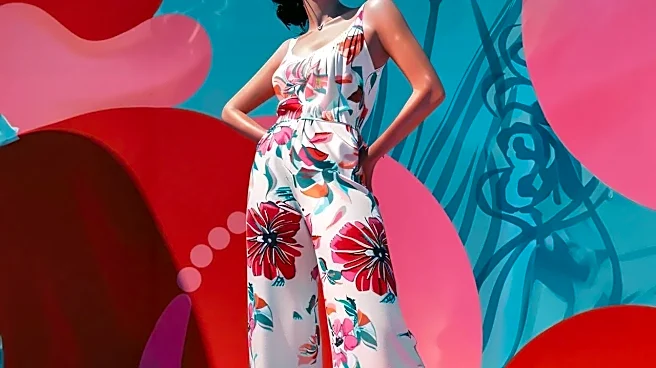
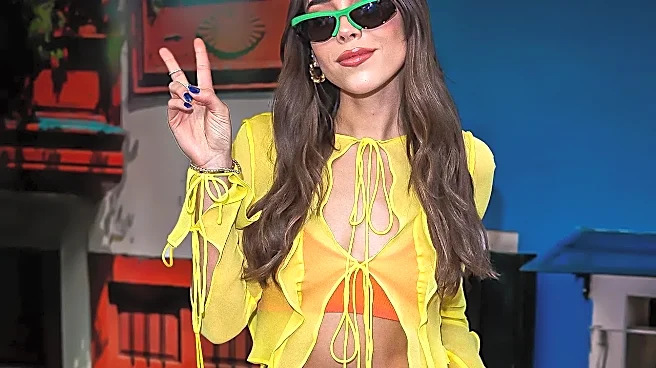
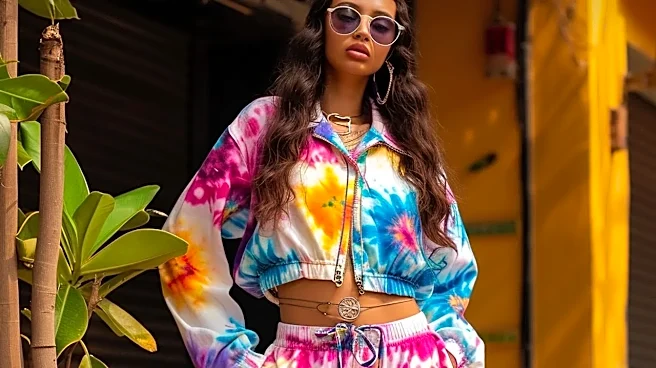
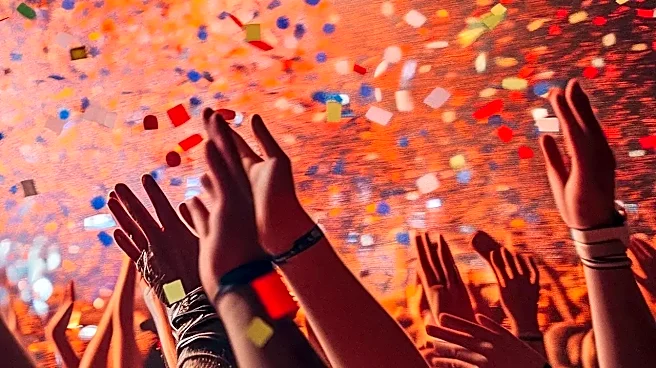
If the early internet lit the match, platforms like Instagram and TikTok threw gasoline on the fire. Suddenly, music festivals like Lollapalooza became prime real estate for content creation. The focus shifted from a collective uniform to an individual's curated look. Outfits became meticulously planned, designed not just for the field but for the grid. The goal was no longer just to be there, but to be seen there, preferably in a “get ready with me” video or a perfectly filtered photo dump. This era gave rise to what can be called the 'festival aesthetic': a mix of boho-chic, Y2K revival, and edgy streetwear, often sourced from fast-fashion retailers offering trendy, low-cost options perfect for a single weekend's wear.
From Band Tee to Brand Deal
The ultimate expression of this evolution is the transition from fan to brand ambassador. The original Lollapalooza uniform—a band shirt—was a declaration of musical allegiance. Today’s uniform is often a declaration of a commercial partnership. Influencers and even everyday attendees now collaborate with fashion, beauty, and lifestyle brands, turning Grant Park into a sprawling marketing activation. Companies host elaborate pop-ups, from YouTube's creator studios to BACARDI's DJ-fueled lounges, encouraging attendees to engage, post, and tag. An outfit is no longer just clothes; it’s content. Personal style has become personal branding, a monetizable asset in the festival economy.