







Denis Villeneuve
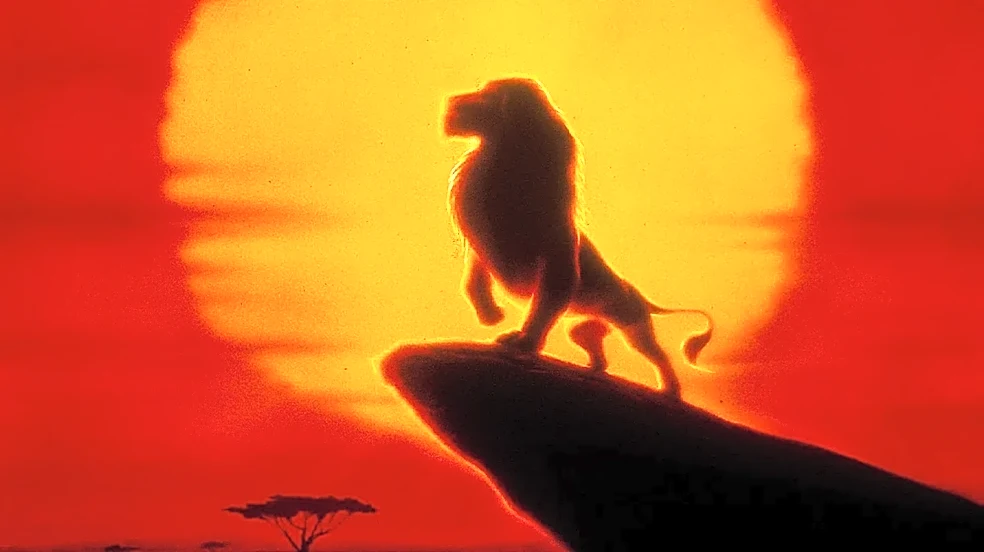
If you were captivated by the sheer scale of the Pride Lands and Simba's journey of destiny, Denis Villeneuve is your guy. This is a director who thinks in widescreen epics, crafting worlds that are both beautiful and brutally indifferent. His films often
center on a chosen one, a figure burdened by a future they didn't ask for. The most direct parallel is 'Dune,' another story about a young royal, Paul Atreides, cast out into a harsh desert landscape after a shocking betrayal. Like Simba, Paul must wrestle with his father's legacy and grow into a leader capable of commanding a vast, powerful force. Villeneuve’s signature style—vast landscapes, deliberate pacing, and a sense of profound gravitas—echoes the most majestic moments of 'The Lion King,' trading the savanna for the sands of Arrakis but keeping the core themes of legacy and revolution intact.
Guillermo del Toro
At its heart, 'The Lion King' is a fairy tale that doesn't shy away from the darkness. It’s a world of talking animals, yes, but also one of murder, grief, and scary elephant graveyards. Guillermo del Toro is the modern master of the dark fable. His films are populated by fantastical creatures and monsters, but he always treats them with a deep, soulful humanity. Think of 'Pan’s Labyrinth,' where a young girl escapes the brutalities of war into a mythical underworld, or the Oscar-winning 'The Shape of Water.' Del Toro understands that the most grotesque monsters are often human, while true nobility can be found in the strangest of places—a theme Scar and Mufasa would certainly understand. If you appreciate the way 'The Lion King' uses fantasy to explore real, complex emotions, del Toro’s rich, gothic, and deeply empathetic worlds are waiting for you.
Bong Joon-ho
Look past the animal kingdom, and 'The Lion King' is a brutal story about social hierarchy. Mufasa is the benevolent one percent, the hyenas are a disenfranchised underclass, and Scar is the revolutionary who upends the entire system. South Korean director Bong Joon-ho is the undisputed king of exploring class struggle through thrilling, unpredictable genre films. In 'Parasite,' a poor family infiltrates the home of a wealthy one, leading to a shocking collision of worlds that’s as darkly funny as it is tragic. In 'Snowpiercer,' the last of humanity survives on a train rigidly segregated by class, sparking a violent rebellion from the back to the front. Bong’s films, like 'The Lion King,' use contained ecosystems—a house, a train—to ask sharp questions about who has power, who deserves it, and the chaos that ensues when that order is challenged.
George Miller
One of the most enduring things about 'The Lion King' is its world-building. The Pride Lands feel like a real place with its own rules, history, and brutal logic. George Miller is a master of creating lived-in, visceral worlds almost entirely through action and visual cues. His 'Mad Max' series, particularly 'Fury Road,' throws you into a fully realized post-apocalyptic society without stopping to explain the rules. You learn about the Citadel, the War Boys, and Immortan Joe’s tyrannical rule on the fly, just as we learn about the 'circle of life' through Mufasa’s actions. Miller's genius is in his ability to tell a complex story through relentless, kinetic spectacle. If you love how the wildebeest stampede communicates sheer terror and how the battle for Pride Rock tells a story of redemption without needing much dialogue, Miller's brand of high-octane visual storytelling will feel like a worthy successor.