



Go Beyond Photorealism
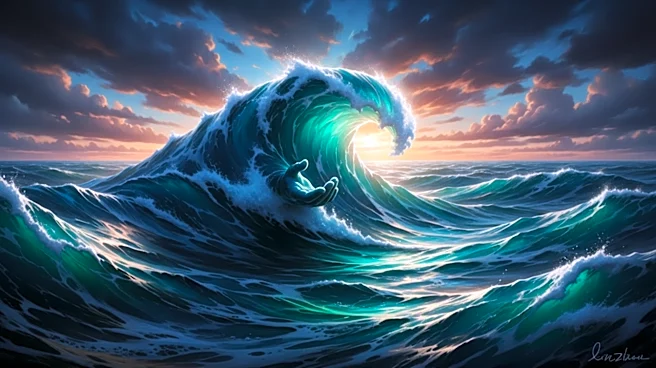
The single greatest challenge for the live-action `Moana` is translating the animated ocean's personality. In the 2016 film, the water wasn't just a setting; it was a playful, protective, and sometimes stern character. It offered a high-five, cradled
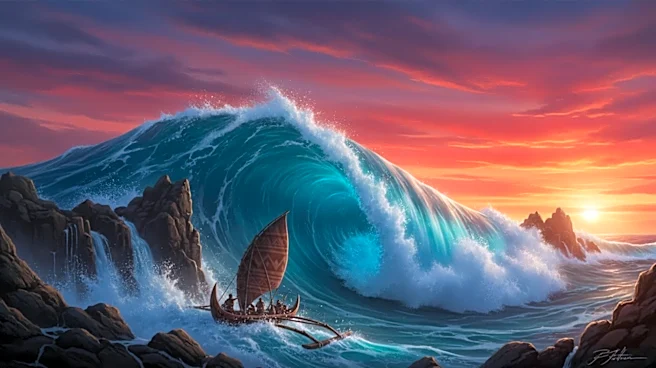
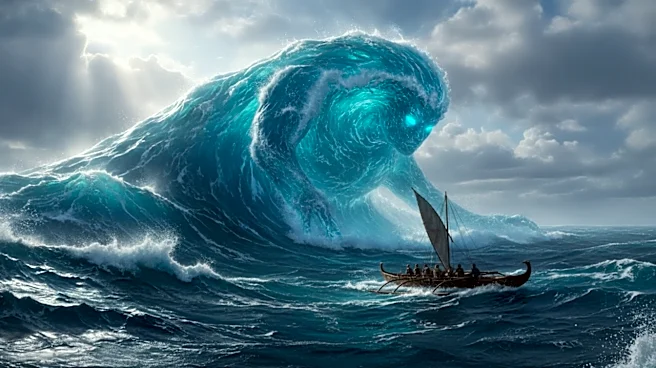
a toddler Moana, and formed a perfect watery tendril to guide her. Simply creating a photorealistic ocean, however technically impressive, won't be enough. Director Thomas Kail, celebrated for his work on `Hamilton`, needs to ensure the visual effects team prioritizes expression over pure realism. This means designing water physics that can break the rules when needed—to form a gentle wave that feels like a reassuring hand or a sharp chop that feels like a warning. The goal isn't just to make audiences believe the water is real, but to make them feel its intentions.
Develop a Unique Soundscape
In animation, the ocean had a voice without speaking a word. Its gurgles and splashes were carefully designed to convey emotion. For the live-action version, sound design will be paramount. Filmmakers can't just use stock ocean sounds; they need a bespoke audio language. This could involve layering manipulated recordings of water with subtle, non-aquatic sounds to create a sense of life and consciousness. Think of the way the film will filter dialogue and music when the camera is submerged—muffling the world above to create an intimate, underwater space. Sound designers could even use hydrophones to capture authentic underwater ambiences and then digitally shape them to feel intentional and responsive to Moana's emotional state. Every splash, bubble, and roar of a wave is an opportunity to reinforce the ocean's role as an active participant in the story.
Use the Camera as the Ocean's Eyes
Cinematography can do heavy lifting in personifying the ocean. Instead of just showing Moana on the water, the camera can adopt the ocean's point of view. Imagine a shot from below the surface, looking up at her boat with a sense of curiosity, or a sweeping aerial shot that moves with the grace and power of a massive current. Cinematographer Óscar Faura has a chance to make the camera's movement feel motivated by the ocean itself. Techniques like using polarizing filters to control reflections can make the water appear clearer or more mysterious depending on its 'mood.' By thoughtfully composing shots—framing Moana with waves that seem to embrace or challenge her—the film can visually communicate the ocean's connection to her journey without a single line of dialogue.
Make It a True Performance Duet
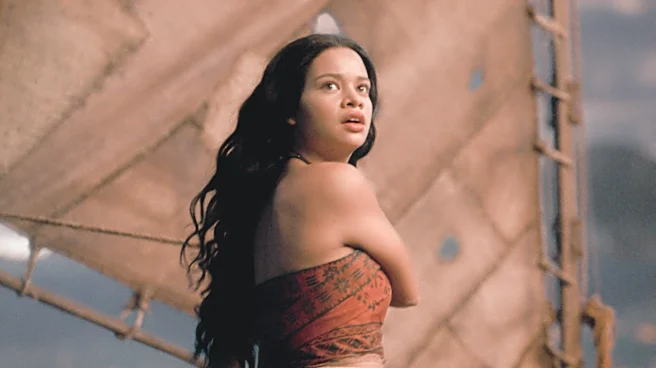
For much of the film, Catherine Laga'aia's primary scene partner will be a digital creation. This requires an immense act of imagination on her part and sophisticated direction from Kail. Productions like `Avatar: The Way of Water` have pushed the boundaries of performance capture in aquatic environments, creating massive, purpose-built tanks to allow actors to interact with the water in a tangible way. While `Moana` may not require the same level of alien world-building, the principle remains: Laga'aia's performance will be better if she has something real to react to. Whether it's through advanced on-set visualization tools that show her a rough version of the ocean character in real-time or practical water effects she can physically interact with, the technology must serve the performance. The chemistry between Moana and the ocean was the heart of the original; making that connection feel authentic between a human actor and a digital effect is the key to the remake's success.
Anchor It in Cultural Significance
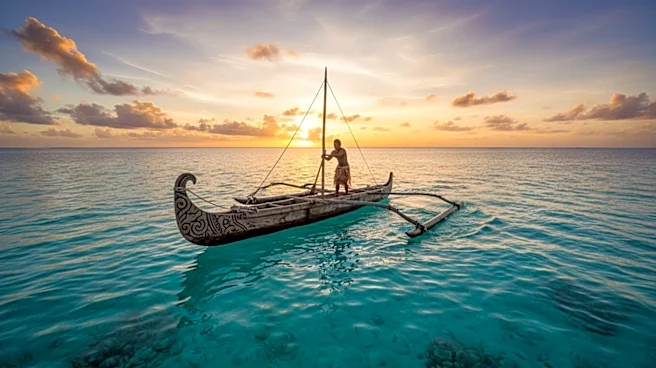
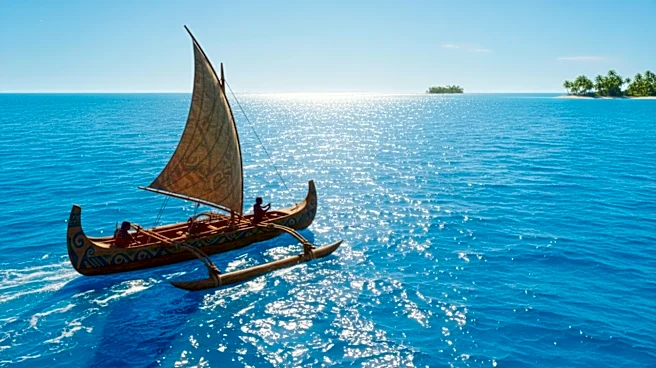
The ocean in `Moana` is not just a fantasy element; it's deeply rooted in the culture and spirituality of Polynesian voyaging. For ancient navigators, the ocean was not an obstacle but a partner, a living map of currents and swells that they learned to read and respect. The film's creative team, which includes original writer Jared Bush and producer Dwayne Johnson, has a stated goal of celebrating Pacific Islander culture. Therefore, the ocean's portrayal must feel like a natural force imbued with ancestral wisdom, not just a magical special effect. Its actions should align with the narrative's themes of connection, heritage, and respecting the natural world. By ensuring the ocean's character is informed by this cultural depth, the film can elevate it from a cool visual to a meaningful and powerful symbol at the heart of Moana's quest.