







The Brain's Processing Fee
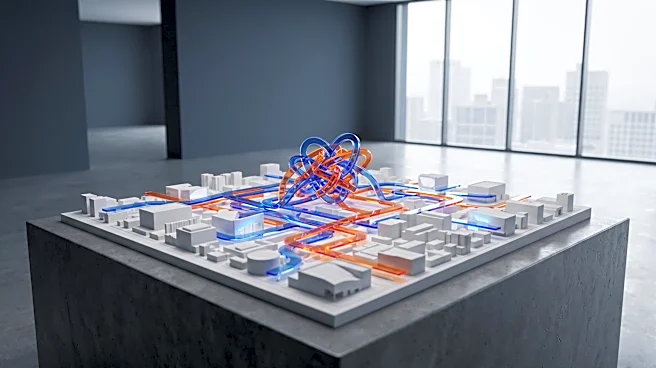
Psychologists have a term for this mental friction: 'cognitive switching cost'. Think of it as a processing fee your brain charges every time you disengage from one task and fire up another. It’s why that first minute back at your spreadsheet feels so
sluggish after you’ve just answered a complex email. Your brain has to actively suppress the 'rules' of the old task and load the 'rules' for the new one. This isn't instantaneous, and the lag is the 'cost'—a measurable dip in speed and accuracy. At a film festival, each movie is its own complex task. You’re not just watching; you're engaging with a specific set of emotional, tonal, and narrative rules. A slapstick comedy demands one mode of engagement, while a slow-burn horror film requires another entirely. Hopping between them forces your brain to constantly pay this cognitive tax.
Festival Whiplash in Action
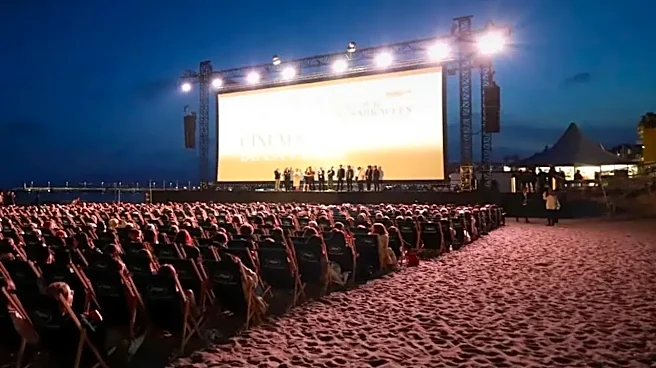
The BFI London Film Festival, currently running from October 7th to the 18th, is a perfect case study. Its eclectic program, featuring 251 works from 88 countries, is a minefield of potential cognitive whiplash. One could, in theory, spend an afternoon watching Brad Bird's animated caper 'Ray Gunn' before heading into a screening of '7 Miles Out', a semi-autobiographical story of loss set against Manchester's 80s music scene. Or imagine the mental gear-shifting required to go from Michael Winterbottom's latest lighthearted 'The Trip to the Northern Lights' with Steve Coogan and Rob Brydon to an intense documentary like 'Rebellion' about the Bradford 12. Each jump requires a complete emotional and analytical reset. The laugh-out-loud humor of one film’s 'task set' can actively interfere with your ability to settle into the somber, reflective mindset required for the next. This isn't just about 'feeling' different; it's a genuine processing challenge.
A Bug or a Feature?
So, does this neurological inefficiency ruin the festival experience? Not necessarily. For many cinephiles, this intense disorientation is part of the appeal. Festival fatigue is a well-documented phenomenon, a mix of physical exhaustion and mental overload. Yet, forcing your brain to rapidly switch between perspectives is also a powerful form of mental exercise. It breaks down your usual viewing habits and biases, forcing you to become a more agile and open-minded viewer. The jarring transition from a Brazilian period-noir thriller like 'Glaxo' to a Japanese coming-of-age story like 'Look Back' can create unexpected thematic echoes. You might notice similarities in cinematography or find a shared human element that you would have missed otherwise. This forced context-switching is what makes a festival more than just a series of movie screenings; it's a compressed, chaotic, and often profound cultural education.
Hacking Your Festival Brain
While you can’t eliminate cognitive switching costs, you can manage them. Experienced festival-goers develop intuitive strategies. One of the most effective is creating a buffer, or a 'palate cleanser', between films. Instead of rushing from one dark theater to the next, take a 20-minute walk outside. Grab a coffee. Talk with a friend about what you just saw. This gives your brain time to fully disengage from the previous 'task set' before the next one begins. Some even schedule their days with this in mind, placing a less demanding or tonally neutral film between two emotional heavyweights. Recognizing that you're not just being indecisive, but that your brain is genuinely working hard to reconfigure itself, is the first step. It allows you to approach a packed schedule not as an endurance test to be survived, but as a unique cognitive journey to be navigated.