






The Allure of the 'Exclusive' Sticker
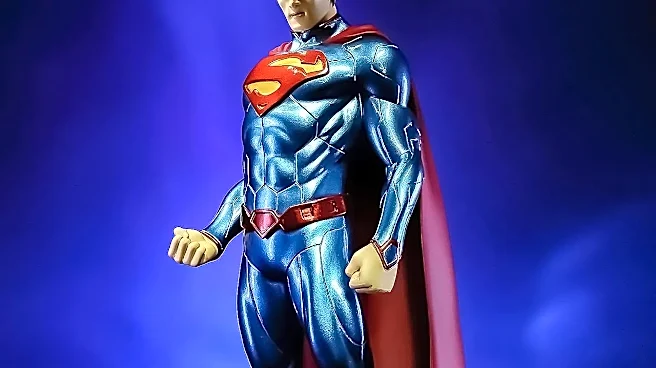
For decades, convention exclusives were the ultimate prize for dedicated fans. They were a badge of honor—a tangible reward for making the pilgrimage to a major pop culture event like San Diego Comic-Con (SDCC). Companies like Hasbro, Funko, and Mattel
created limited-run items available only at their booths, driving massive foot traffic and generating incredible buzz. The strategy was simple: scarcity creates demand. Collectors planned their entire convention experience around acquiring these items, sometimes waiting in line for hours. This manufactured rarity fueled a lucrative secondary market on sites like eBay, where exclusives could sell for many times their original price, cementing their status as holy grails for collectors.
A New Definition of 'Exclusive'
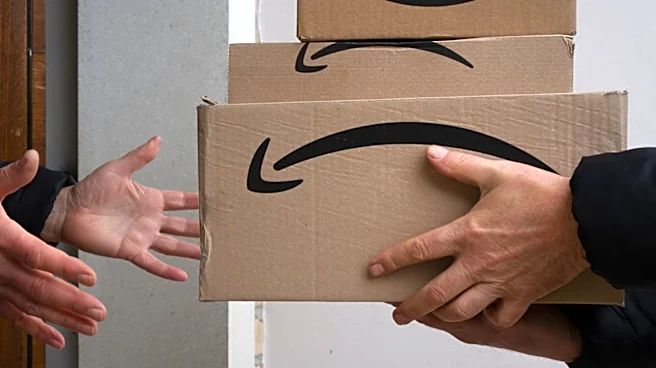
In recent years, fans have noticed a significant shift: the word "exclusive" has become much more flexible. Many items advertised as SDCC exclusives are now available online, sometimes even before the convention begins. This has led to the rise of terms like "shared exclusive" and "first to market." A "shared exclusive" is an item that debuts at the convention but is also sold simultaneously through major retailers like Target, GameStop, or Amazon. Often, the only difference is the sticker on the box; the one bought at the con might say "SDCC 2026 Exclusive," while the retail version has a more generic "Summer Convention" sticker. Other items are designated as "first to market," meaning Comic-Con is simply the product's debut, with a wider release always part of the plan.
The Business of Hype and Accessibility
So, why the change? It's a calculated business decision designed to maximize profit and brand reach. While a truly limited run creates intense hype among a few thousand attendees, it alienates a much larger global audience. By making exclusives more accessible, companies can capitalize on the marketing buzz generated by the convention without limiting their customer base. The con creates the story, the desire, and the social media frenzy; the wider release captures the revenue from everyone who saw the hype online but couldn't be there in person. Companies like Hasbro now openly state that convention exclusives will have limited quantities available on their Hasbro Pulse website after the event, making it an official part of their strategy.
Balancing Collector Rage with Mass-Market Sales
This strategy isn't without controversy. Hardcore collectors who spend thousands on tickets, travel, and lodging to attend Comic-Con often feel cheated, arguing that the word "exclusive" has lost all meaning. They cherish the hunt and the feeling of owning something truly rare, a memento of their experience. When that same item appears on a store shelf weeks later, it can dilute that special feeling. Companies walk a fine line, trying to appease the die-hard fans who build the initial hype while also catering to the broader market. The differentiated sticker is one way they attempt this, creating a subtle hierarchy for in-the-know collectors while selling the same underlying product to everyone else. This approach aims to give attendees bragging rights for getting it first, directly from the source, while still benefiting from a mass release.