








Liberation Is a Group Project
At its core, Juneteenth is not the story of one person's triumph. It commemorates the moment enslaved people in Galveston, Texas, finally learned of their freedom on June 19, 1865—two and a half years after the Emancipation Proclamation. This wasn't a singular
event for a lone protagonist; it was a wave of delayed, hard-won, collective liberation. Modern television has smartly mirrored this reality in its narrative structure. An ensemble cast is the perfect vehicle to express a story that belongs to a community, not an individual. When the entire Johnson family on ABC’s *Black-ish* debates, sings, and ultimately celebrates Juneteenth in their landmark musical episode, it’s not just Dre’s story. It's Rainbow's, Pops', and the kids' story, too. Each character’s journey with the holiday contributes to a larger, more complete picture. The use of an ensemble transforms the narrative from a simple history lesson into a living, breathing exploration of what freedom means to a people.
A Tapestry of Black Experience
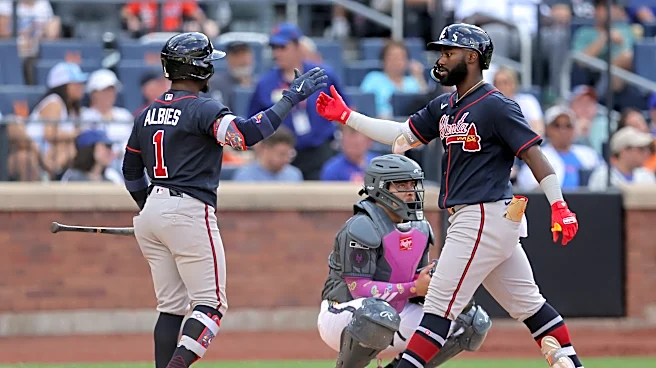
Juneteenth doesn't mean the same thing to every person, and an ensemble cast is the ideal format to explore that complexity. In the hands of a good writing staff, each character can represent a different perspective or emotional entry point into the holiday. One character might embody reverence and historical knowledge, while another grapples with the commercialization of the day. A younger character might be learning about its significance for the first time, while an elder holds the weight of generations of struggle and joy. Donald Glover’s *Atlanta* famously tackled this in its own “Juneteenth” episode. Earn and Van navigate a bougie, surreal Juneteenth party, encountering a spectrum of characters whose connection to the holiday ranges from sincere to performative to utterly confused. This mosaic of reactions would be impossible to capture through a single character's eyes. The ensemble allows the show to hold multiple truths at once, reflecting the diverse and sometimes conflicting ways Black Americans experience their own history and culture.
The Power of Shared Joy and Pain
The emotional landscape of Juneteenth is complex. It is a celebration of freedom steeped in the profound pain of the history that made it necessary. It’s a holiday of “both/and”—both joy and sorrow, both progress and the recognition of how far there is still to go. Ensemble storytelling excels at conveying this duality. Through group conversations, shared moments of reflection, and communal acts of celebration, writers can show how joy and pain coexist within a community. It’s in the call-and-response of a family dinner, the shared laughter that breaks a moment of heavy silence, or the collective power of a song. These multi-character scenes create an emotional resonance that a solo narrative often can't. They demonstrate that the burdens of history and the joys of freedom are things to be shouldered and celebrated together. This communal processing is the emotional engine of the best Juneteenth television.
A Symbolic and Practical Choice
Beyond the thematic appropriateness, using an ensemble is also a powerful symbolic act. For decades, Black stories in Hollywood were often marginalized or told through a single, exceptional figure. Showcasing a full, thriving cast of Black actors celebrating a specifically Black holiday is a statement in itself. It reflects a shift in the industry toward telling stories that are not just *about* Black people but are *for* them, centering their community, their history, and their joy. On a practical level, holiday episodes are often designed to involve the entire cast, making them a centerpiece of a season. But by applying this format to Juneteenth, these shows elevate it, placing it on the same level as the more traditionally recognized holidays in the television calendar. It's a declaration that this story, and the community it represents, is central to the show's identity and to the broader American narrative.