



The Brutal, Sudden Finality
A seven-game series is a war of attrition. Over two weeks, teams trade blows, adjust strategies, and ride waves of momentum. A World Cup knockout match is a 120-minute tactical chess match. Both are long, grueling campaigns. And then, suddenly, they aren’t.
Both a Game 7 and a shootout distill that entire epic struggle into a series of terrifyingly simple, winner-take-all moments. There is no tomorrow. There is no “we’ll get ‘em next time.” The entire season, or the entire four-year cycle of national hope, comes to a dead stop. This shared element of absolute finality is the foundation of the anxiety. In a regular game, a mistake can be overcome. In Game 7 or a shootout, a single mistake can be the only thing anyone ever remembers.
The Team Game Becomes an Individual Burden
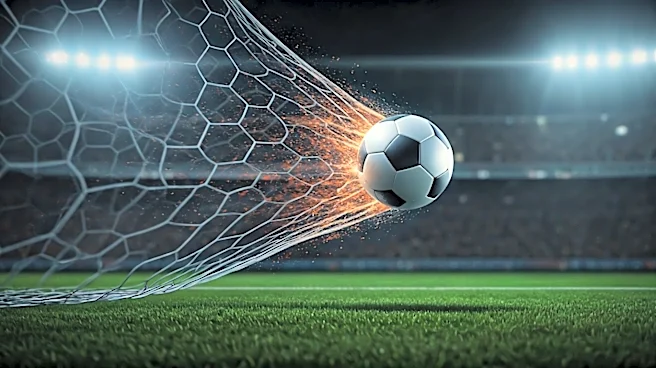
Baseball, basketball, hockey, and soccer are team sports defined by intricate interplay. But in these ultimate moments, that collective dynamic vanishes. The team sport becomes a cruel, isolated, one-on-one duel. A player steps up to the penalty spot, 12 yards from the goal, with the weight of a nation on their shoulders. Everyone else—teammates, coaches, an entire country—is a helpless spectator. It’s just the kicker versus the goalkeeper. Similarly, a batter steps into the box in the bottom of the ninth with the bases loaded, or a pitcher takes the mound needing one final out. The shortstop can’t help him make contact; the center fielder can’t help him locate his fastball. The team’s destiny is funneled into one person’s hands, an almost unbearable transfer of responsibility that is unique to these do-or-die scenarios.
A Crucible for Legends and Goats
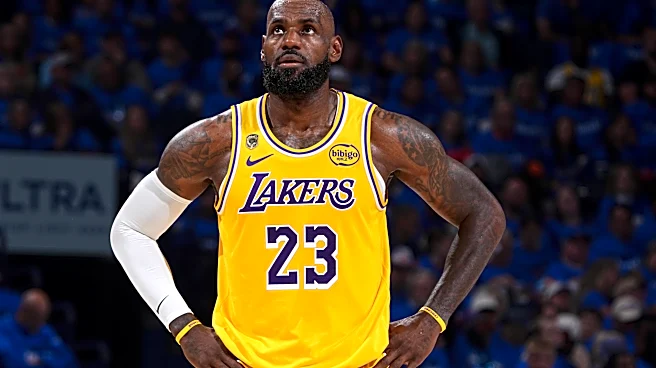
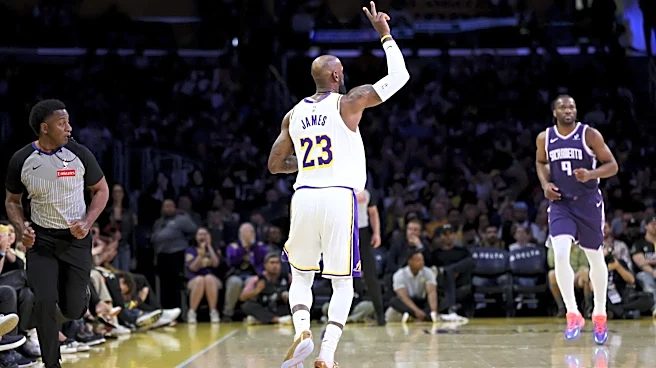
There is no middle ground in these moments. You are either the hero or the goat. Think of Roberto Baggio, the transcendent Italian superstar, whose missed penalty in the 1994 World Cup final became the defining image of his brilliant career. He carried Italy to the final, only to be immortalized for his failure. The shootout doesn’t just decide a winner; it actively selects a villain. This is the same narrative engine that powers Game 7 lore. Think of the Cleveland Cavaliers’ comeback from a 3-1 deficit in the 2016 NBA Finals, culminating in Kyrie Irving’s dagger three-pointer and LeBron James’s iconic block. Those plays didn't just win a title; they cemented legacies. On the flip side, a costly error in a Game 7 can haunt a player forever. This binary outcome—immortality or infamy—is why the stakes feel so impossibly high.
It’s a Test of Nerve, Not Just Skill
By the time a player reaches a World Cup shootout or a Game 7, their skill is not in question. They are among the best athletes on the planet. What’s being tested is something else entirely: their psychological fortitude. Can you perform a task you’ve practiced a million times when your heart is pounding, your adrenaline is surging, and the collective anxiety of millions is focused directly on you? Studies on penalty kicks show that professional players, who can easily score in practice, miss at a shockingly high rate in high-pressure shootouts. Their technique doesn't fail; their composure does. It’s the same for the baseball player trying to hit a 98-mph fastball in a deafening stadium or the basketball player at the free-throw line with the championship on the line. The physical act is secondary to the mental battle.