





It’s in the DNA
The first, and most powerful, factor is culture. Cities with a built-in passion for soccer are naturally primed for massive public viewings. We're talking about places like Los Angeles, Miami, Seattle, and Orlando, which often top lists of America's most soccer-friendly
towns. This isn't just about having an MLS team, though that helps. It's about a deeper connection, often fueled by large, vibrant immigrant communities from soccer-loving nations. These cities have a pre-existing fan base that sees the sport not just as a game, but as a core part of their cultural identity. In contrast, in a city where another sport is king and soccer is an afterthought, mustering the collective energy for a huge public festival is a much heavier lift. You can't fake decades of organic passion.
The High-Stakes Financial Bet
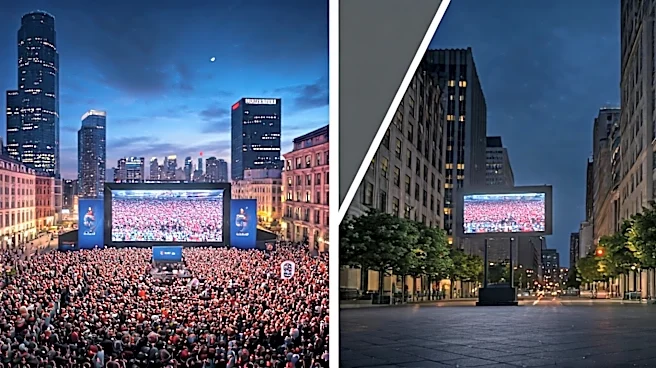
Throwing a city-wide party isn’t cheap. Creating a fan zone or a series of watch parties is a significant financial undertaking for any municipality. Costs include everything from big screens and sound systems to security, medical staff, permits, and road closures. Cities have to ask themselves: is it worth it? For World Cup host cities like Philadelphia and Kansas City, the answer is an emphatic yes. They are building massive, free-to-the-public FIFA Fan Festivals as a core part of their hosting duties, hoping to reap the rewards in tourism, local spending, and global exposure. But for non-host cities, the calculation is trickier. While some, like Decatur, Georgia, are betting that proximity to a host city like Atlanta will generate spillover economic benefits, others may decide the return on investment is too uncertain, especially when economists often caution that initial projections for big sporting events can be inflated.
The Public Space Puzzle
Even with all the passion and money in the world, you still need a place to put everyone. The availability of suitable public space is a massive, often overlooked, hurdle. An ideal watch spot is centrally located, easily accessible by public transport, and large enough to safely hold thousands of people. Think iconic parks or plazas. New York City, for example, is planning fan events across its boroughs, from Rockefeller Center to Brooklyn Bridge Park. Houston is setting up its fan fest in the walkable East Downtown neighborhood. However, many American cities simply weren't designed with large, non-commercial public squares in mind. A city might have the will but lack a suitable, centrally-governed space, leading to a fragmented series of smaller events at bars and restaurants instead of a single, unified civic celebration.
Leadership and Logistics
Finally, it often comes down to political will and organizational capacity. A proactive mayor, an ambitious sports commission, or a dedicated host committee can be the catalyst that turns an idea into reality. These groups are the ones who navigate the complex web of city permits, coordinate between dozens of agencies (from police to sanitation to transport), and secure the necessary funding through public-private partnerships. Hosting a successful fan zone is a massive logistical operation, requiring months or even years of planning. Cities that have experience hosting large-scale events have a built-in advantage; they have the institutional knowledge and the relationships to pull it off. Without that leadership and a well-oiled municipal machine, even the best intentions can get bogged down in bureaucracy, leaving fans to watch from their couches.