






The Heavy Crown of the Favorite
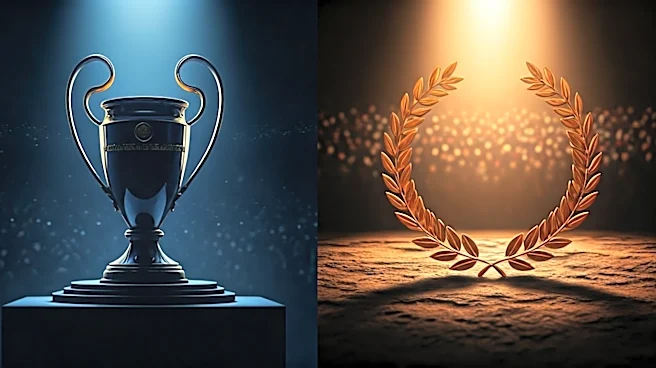
Being the favorite sounds like a dream. You’re the best, the one everyone expects to hoist the trophy. But in reality, it’s a psychological cage. The primary emotion driving a favorite isn’t the hunger to win; it’s the terror of losing. Psychologists call this "loss aversion"—the pain of losing something you feel you already possess is far more potent than the joy of gaining it. For a top-seeded team, the championship is framed as theirs to lose. Every play, every possession, is a step away from disaster rather than a step toward glory. This creates a tight, conservative, and fearful style of play. Athletes stop taking creative risks and start protecting their lead, or simply trying not to make a mistake. The joy is gone, replaced by the grim
business of fulfilling a prophecy. The opponent isn't just the team across the field; it’s the monumental weight of expectation itself.
The Freedom of Having Nothing to Lose
Now, consider the dark horse. They aren’t supposed to be here. The pressure is nonexistent because failure is the default expectation. No one will be shocked if they lose; everyone will be electrified if they win. This is the most liberating force in sports. With no crown to protect, the underdog is free to play with abandon. They are playing with “house money.” This environment breeds creativity, courage, and a powerful, infectious sense of belief. Every successful pass, every defensive stop, every unexpected point builds a narrative of destiny. While the favorite is playing to avoid humiliation, the dark horse is playing for a miracle. This transforms their energy. They aren't trying to avoid mistakes; they're trying to make history. This is the fuel behind a Cinderella run in March Madness or a shocking World Cup upset. It’s belief forged in the fires of improbability.
How the Narrative Becomes Reality
Fans and media are the engines of this entire dynamic. Before the game even starts, the narrative is set. Commentators dissect the favorite’s potential weaknesses, framing them as vulnerable titans. Every flaw is magnified, every struggle a sign of an impending collapse. They’re placed under a microscope. Meanwhile, the dark horse gets the romantic treatment. Their journey is a Hollywood script in the making. Their star player is the plucky hero; their coach is the wise mentor. This external storytelling seeps into the locker room. The favorite feels the scrutiny and the weight of a legacy on the line. The underdog feels the hope and the excitement of a nation rooting for them. What starts as a simple label—"favorite" or "underdog"—becomes a self-fulfilling prophecy, shaping the mental landscape long before the first whistle blows.
When the Dark Horse Starts to Shine
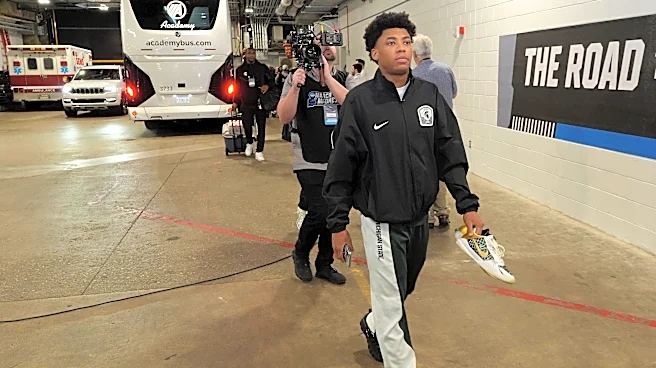
But the roles are not static. The most fascinating part of a tournament is watching a dark horse slowly become a contender. The moment an underdog is no longer a surprise, the dynamic shifts. A team that thrives on having nothing to lose suddenly has something to protect: their miracle run. Belief can curdle into pressure. We see this often in the NCAA Tournament. The No. 15 seed that beats a No. 2 seed is playing with pure freedom. But if that same team makes it to the Elite Eight, they are no longer just a cute story. They are a legitimate threat, and with that comes expectation. Suddenly, they are the ones with something to lose. The media narrative shifts, the opponent starts taking them seriously, and the psychological burden transfers. Keeping that initial, pure belief alive is the true test of a champion, regardless of their original seeding.