






Myth: It Means Using as Few Products as Possible
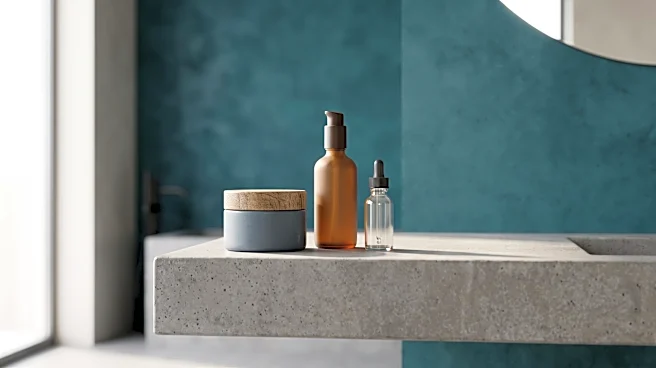
The most common misconception is that a minimalist routine is a contest to see who can get by with the least. People picture splashing water on their face and maybe adding a single, lonely moisturizer. But true minimalism isn't about the number of products;
it's about eliminating the unnecessary ones. The core idea is to use only what your specific skin requires to be healthy. For some, that might genuinely be three products: a cleanser, moisturizer, and sunscreen. For others battling acne, dryness, or hyperpigmentation, it might mean four or five targeted essentials. The goal is effectiveness and efficiency, not just a sparse shelf.
Reality: It Means Using Only What Your Skin Needs
A successful minimalist routine is built on a foundation of non-negotiables: cleansing, moisturizing, and sun protection. From there, you add products with a clear purpose. Dealing with breakouts? A targeted treatment with salicylic acid or a retinoid might be essential. Worried about fine lines? A Vitamin C serum could be a valuable addition. The key is to choose multitasking formulas wherever possible—like a moisturizer that also contains hydrating hyaluronic acid or barrier-supporting niacinamide. This approach, sometimes called "slow beauty," focuses on consistency with a few high-impact products rather than a chaotic rotation of trendy extras.
Myth: It's a One-Size-Fits-All, All-or-Nothing Approach
Many people think you have to throw out your entire routine and start from scratch with just two or three items. This rigid thinking often leads to failure, as your skin may react poorly to the abrupt change. Another common fallacy is that this approach is only for those with naturally "perfect" or low-maintenance skin. In reality, those with sensitive, reactive, or acne-prone skin often benefit the most from paring back. Using too many products, especially those with conflicting active ingredients, is a leading cause of irritation and a damaged skin barrier.
Reality: It's a Deliberate and Personalized Process
Building a minimalist routine is about mindful editing, not dramatic cuts. The best way to start is by auditing your current products and introducing new ones one at a time. This allows you to see what’s actually working and identify any sources of irritation. A simple routine done consistently is far more effective than a complicated one you only follow sporadically. Furthermore, the routine is highly personal. Someone with oily skin might use a lightweight moisturizer, while someone with dry skin needs a richer cream. The end goal isn’t a specific number of products, but a routine that is sustainable, effective, and tailored perfectly to you.
Myth: 'Minimalist' Is Just Another Word for 'Clean' or 'Natural'
There's a frequent conflation of minimalism with the "clean beauty" movement. People assume a pared-down routine must exclusively feature plant-based, all-natural ingredients and avoid clinically developed ones. While many who prefer minimalism also lean toward sustainable or natural brands, the two philosophies are distinct. A routine isn’t minimalist because its ingredients come from a specific source; it's minimalist because every product in it serves a deliberate and necessary function.
Reality: It’s About Efficacy and Intent, Not Ingredient Origin
A truly minimalist approach prioritizes proven, effective ingredients, whether they come from a lab or a plant. Dermatologists often recommend this strategy because it focuses on powerful, multitasking actives like retinoids for anti-aging or a potent antioxidant serum for protection. The emphasis is on quality over quantity and results over marketing hype. It’s about choosing products with well-researched formulations that deliver on their promises, reducing the risk of irritation from unnecessary fillers, fragrances, or conflicting ingredients that can overwhelm the skin.