






The Allure of the Epic Spectacle
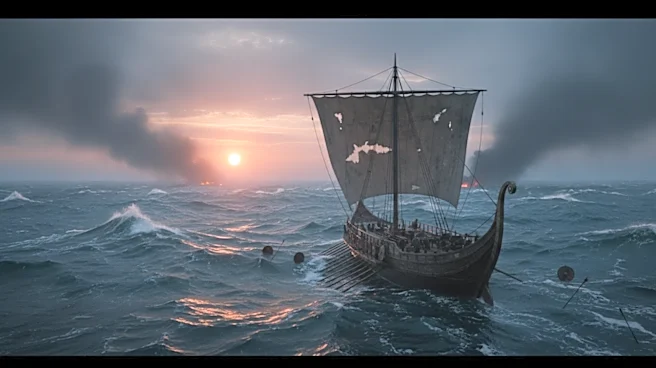
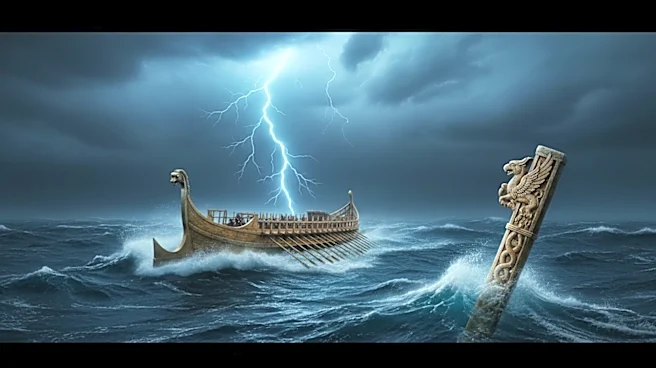
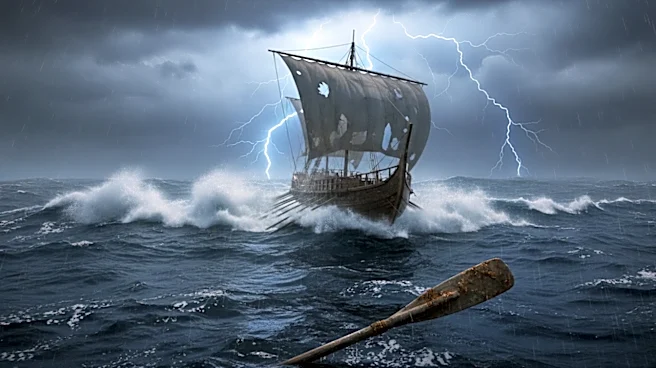
Let’s be honest: the monsters are the fun part. Homer’s epic poem is packed with what would become blockbuster movie set pieces. Odysseus and his crew face off against the Laestrygonians, giant cannibals who smash their ships; they must resist the hypnotizing
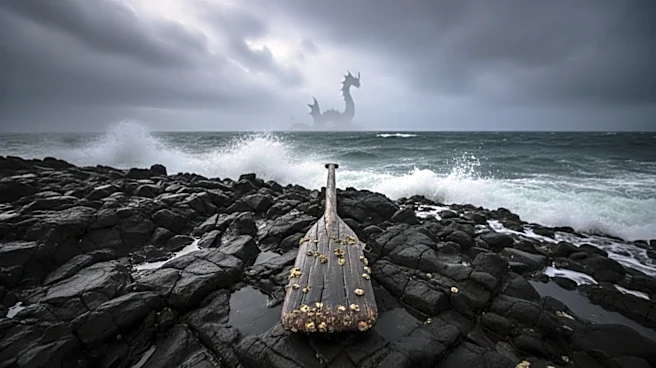
song of the Sirens; and they navigate the treacherous strait between Scylla, a six-headed beast, and Charybdis, a deadly whirlpool. These encounters are visceral, thrilling, and easy to understand. They represent clear, external threats that our hero must overcome with strength, wit, and courage. The monsters are a physical test. They are the obstacles on the adventure, the reason the journey home from the Trojan War takes a grueling ten years. It’s no wonder they’ve captured the imagination for centuries. They are, in a word, epic.
A Different Kind of Monster
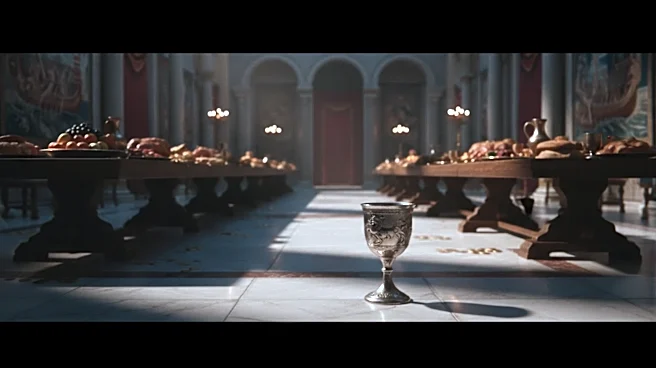
Meanwhile, back in Ithaca, a different kind of horror is unfolding. With Odysseus presumed dead, over 100 suitors have descended upon his palace. They are not mythical beasts, but noblemen from the surrounding islands. Their goal is to marry Queen Penelope and, by extension, claim the throne. For years, they occupy Odysseus's home, feasting on his livestock, drinking his wine, and corrupting his servants. They are arrogant, disrespectful, and represent a complete violation of xenia, the sacred Greek tradition of hospitality. While Penelope cleverly holds them off—famously weaving a burial shroud by day and unraveling it by night—the pressure mounts. Led by the belligerent Antinous and the two-faced Eurymachus, the suitors are a parasitic force, slowly draining the life from the kingdom. They even plot to murder Odysseus's son, Telemachus, to remove the last obstacle to their power.
Human Corruption vs. Fantastical Threats
This is where the argument for the suitors’ importance truly begins. A Cyclops is a monster, plain and simple. It is an 'other,' a force of nature to be defeated or escaped. There is no moral ambiguity in fighting it. The suitors, however, are men. They are part of the social fabric, and their villainy is not fantastical but deeply human: greed, entitlement, arrogance, and a lust for power. They represent a societal sickness, a corrosion from within. While the monsters test Odysseus’s skills as a warrior and sailor, the suitors test the very soul of his kingdom. Their presence forces Telemachus to grow up, Penelope to become a master of political maneuvering, and loyal servants to show their true colors. The conflict in Ithaca isn't about survival; it's about civilization, justice, and the restoration of moral order.
The Stakes at Home Are Higher
Odysseus's entire journey is fueled by one singular desire: nostos, the return home. Ithaca is not just a place; it represents family, legacy, and identity. And that is precisely what the suitors threaten to destroy. If Odysseus fails to defeat a monster at sea, he loses his crew or his ship. If he fails to defeat the suitors, he loses everything that matters: his wife, his son, his throne, and his name. The final books of The Odyssey are not set at sea but entirely in Ithaca, culminating in the bloody slaughter of every last suitor. This act isn't just revenge; it's a brutal, necessary cleansing of a home that has been defiled. It's the ultimate proof that the most dangerous monsters are often the ones that look just like us, eating at our table and plotting our demise. The beasts of the sea are an adventure; the rot in the house is a tragedy.