






Meet the New Everyday Carry-All
Look around on a busy city street, in an airport lounge, or even on your Instagram feed. You’ll start to see it everywhere: a compact, structured bag worn snugly against the body, either across the chest or on the back. It’s not a sloppy fanny pack, nor
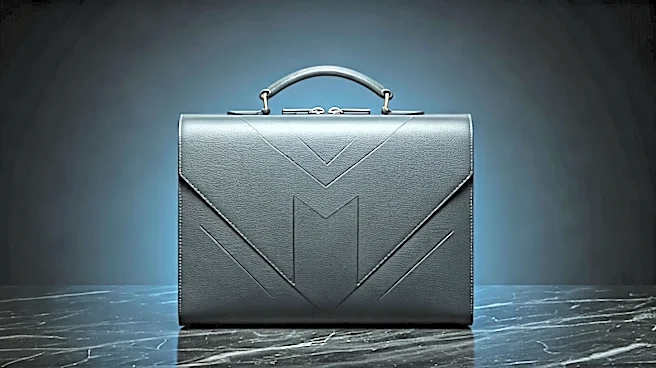
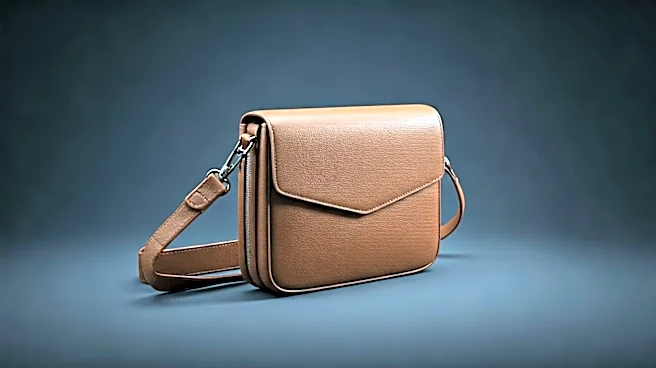
is it a cumbersome messenger bag. This is the modern sling bag, a category that’s less about a single design and more about a new posture for men’s accessories. Typically rectangular or with a soft, half-moon curve, it’s defined by its tidy silhouette and single-strap, crossbody functionality. It sits in the perfect middle ground—large enough to hold essentials but small enough to be forgotten. This isn't the nylon utility pouch of the ‘90s; it’s a refined, intentional accessory crafted in leather, high-tech canvas, and designer fabrics. It’s the answer to a question men have been asking for years: where do I put my stuff?
From Streetwear Staple to Luxury Flex
Like many enduring menswear trends, the sling bag’s ascent started on the streets. Skaters and cyclists needed a way to carry their gear without being weighed down, and the crossbody design was the perfect hands-free solution. For years, it was a hallmark of functional, streetwear-focused brands like Carhartt and Supreme. But over the past few years, high fashion has taken notice and, crucially, refined the concept. Luxury houses like Bottega Veneta, Prada, and Dior have released their own highly coveted versions, turning a utilitarian item into a status symbol. When style icons like Jacob Elordi, A$AP Rocky, and Timothée Chalamet are photographed wearing them—not as a one-off gimmick but as a genuine part of their daily uniform—the message is clear. The sling bag has graduated from a niche piece of gear to a legitimate, even sophisticated, part of the modern wardrobe. It’s an accessory that signals you’re both practical and in the know.
Solving the Problem of Pockets
The quiet takeover of the sling bag isn't just about aesthetics; it's driven by pure necessity. The contents of the average man’s pockets have expanded dramatically. A decade ago, it was a phone, wallet, and keys. Today, you can add a case for wireless earbuds, a portable battery pack, hand sanitizer, and a face mask to the list. Pockets, designed for a simpler time, can’t cope. The result is unsightly bulges in your jeans or the awkward juggle of items in your hands. A backpack, on the other hand, often feels like overkill for a simple trip to a coffee shop or a walk through the park. The sling bag perfectly occupies this void. It’s the Goldilocks solution for the “everyday carry” (EDC) community—a place for everything, with everything in its place. This functional superiority is arguably the single biggest reason for its widespread adoption. It simply works.
Beyond the 'Murse'
For a long time, any bag for a man that wasn't a briefcase or a backpack was saddled with the faintly derogatory label of “man-purse” or “murse.” The term implied something frivolous, effeminate, and ultimately unnecessary. But the cultural stigma is finally fading, and the sling bag is leading the charge. Younger generations, particularly Gen Z, have a more fluid and less rigid approach to gender expression in fashion. Style is about self-expression and function, not conforming to outdated masculine archetypes. The sling bag’s utilitarian roots also give it a masculine-coded credibility that a traditional handbag lacks. It feels more like a piece of gear than a decorative accessory, making it an easy entry point for men who might have previously hesitated to carry a bag. It’s not a purse; it’s a tool. This subtle but important distinction has opened the door for men of all styles and ages to embrace the sheer convenience of not having to rely on their pockets.