


The Spark of Genuine Emotion
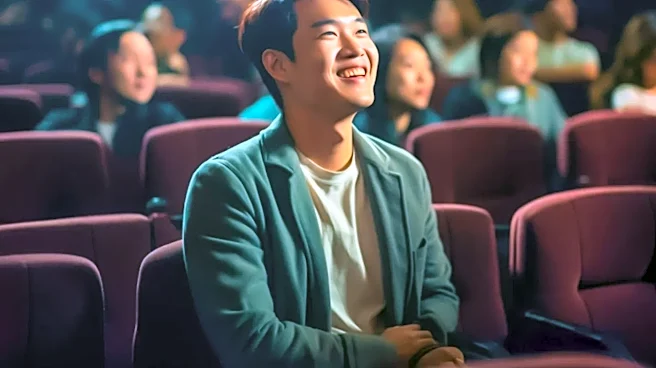
Let’s start with the obvious: sometimes, a movie is just that good. Film festival audiences, particularly at a public-facing event like TIFF, are often packed with passionate cinephiles. They’ve waited in long lines, buzzing with anticipation to see a world
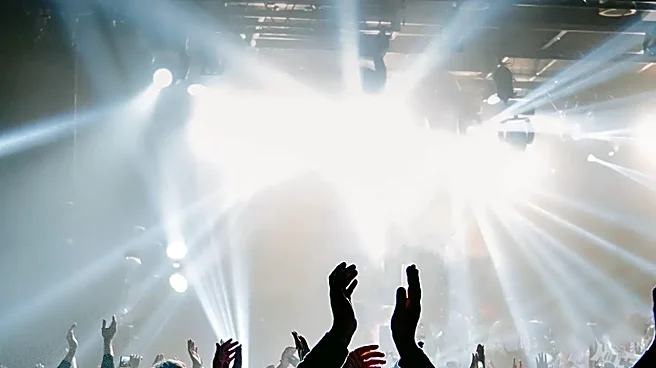
premiere. When a film connects on a deep, emotional level, a standing ovation is a natural, cathartic release. It’s a spontaneous expression of gratitude and awe directed at the creators who are often sitting right there in the theater. Bringing out the real people a film is based on or having an emotional director on stage can amplify this authentic response, turning polite applause into a powerful, shared experience.
The Pressure Cooker of Prestige
Beyond pure love for cinema, a festival premiere is a high-stakes business event. A lengthy, enthusiastic standing ovation is more than just applause; it’s a vital marketing tool. Trade publications like Variety and The Hollywood Reporter have staff on hand with stopwatches, ready to report the exact duration of the applause. These reports create immediate buzz, signaling to distributors that a film has commercial potential and to awards voters that it's a contender. A tepid response can be a bad omen, while a reported eight-minute ovation can shape a film’s media narrative overnight. This has become so ingrained that some have called it a "performative gesture" or a new kind of star-rating system. Even festival heads have acknowledged the press coverage is both "ridiculous but useful."
The Contagion of Applause
This is where human psychology takes over. Once an ovation starts, a powerful force called social contagion, or herd mentality, kicks in. No one wants to be the first person to sit down or stop clapping. The behavior is often initiated by those with a vested interest—the film’s cast and crew, their families, and producers sitting in the front rows. According to social scientists, this demonstrates a “prestige hierarchy”; once the perceived leaders of the room stand, others follow to align themselves with the powerful and affirm their place in the social event. The dynamic is amplified by cameras projecting the tearful reactions of the director and stars onto the giant screen, creating an emotional feedback loop between the audience and the talent. Everyone is reacting to everyone else reacting, which can stretch the applause to comical lengths.
An Industry Tradition, Losing Its Meaning?
While European festivals like Cannes have a long history of marathon ovations (and the occasional booing), the practice has become increasingly common everywhere. What was once reserved for a truly groundbreaking film now feels like a mandatory part of the premiere checklist. When nearly every film gets a standing ovation, the gesture's significance gets diluted. A five-minute ovation can be interpreted as a lukewarm flop, while anything less is seen as an insult. Critics and industry insiders are growing cynical, with many admitting that the length of an ovation has no real correlation with a film's eventual critical or commercial success. It has become an endurance test, an insider's game where the applause itself is the story.