







The Rope-a-Dope on Grass
At its core, counterattacking is simple: let your opponent punch themselves out. It's a strategy built on absorbing pressure, defending deep in your own half, and staying organized. A counterattacking team willingly gives up possession of the ball, inviting
the stronger, more technical team to pour forward in search of a goal. It's a test of patience and discipline. The idea is to lull the dominant team into a false sense of security, encouraging them to commit more and more players to their attack. It’s a calculated risk that says, “You can have the ball, but we will control the space.”
Weaponizing Your Opponent's Strength
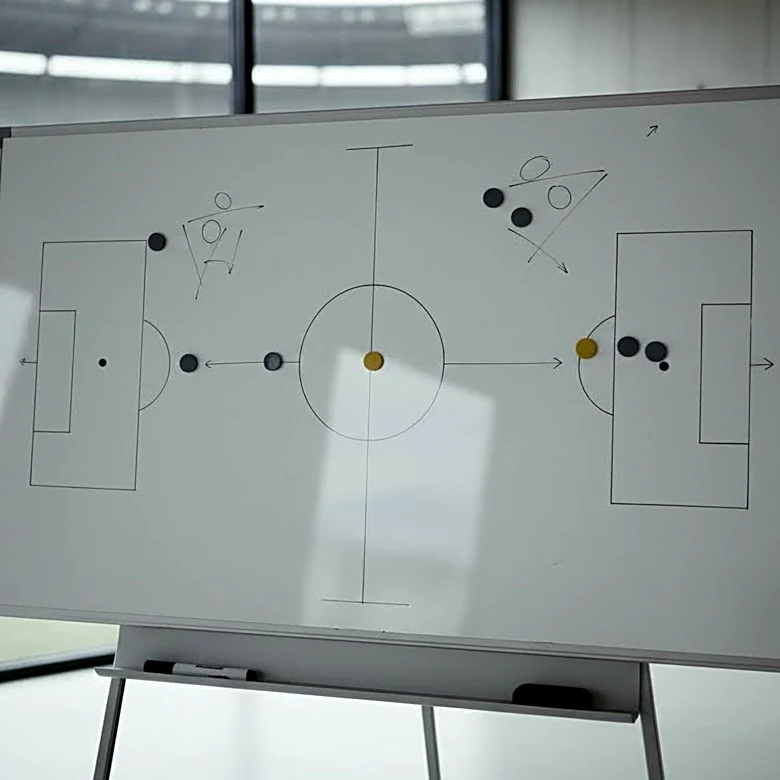
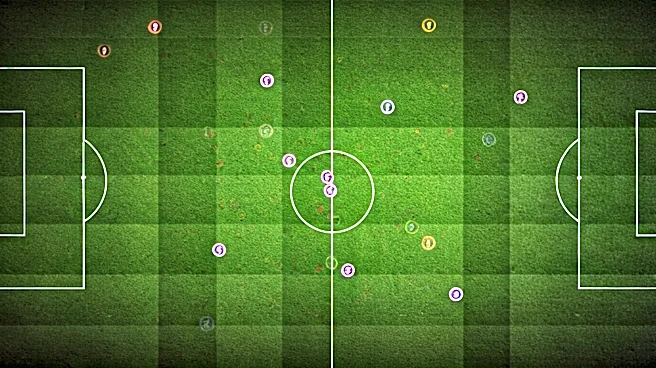
The magic of the counterattack happens in the transition. The moment possession is won back—through a tackle, an interception, or a goalkeeper's save—the switch is flipped. Instead of a slow, methodical buildup, the goal is to move the ball forward with extreme speed and precision, often with minimal passes. The very thing that makes a top team so dangerous—their commitment to attacking—becomes their greatest vulnerability. When they lose the ball, their players are out of their defensive shape, leaving vast open spaces behind them. A well-drilled counterattacking team with fast forwards can exploit these gaps, turning a defensive action into a high-quality goal-scoring opportunity in a matter of seconds.
The Ultimate Test of Unity
This strategy is far from the “easy” or “lazy” option. Executing it successfully requires immense physical and mental fortitude. Defensively, the team must operate as a single, compact unit for most of the game, communicating constantly and trusting each other to hold the line. It demands incredible concentration, as a single lapse can undo 80 minutes of hard work. The fitness levels required are immense, as players must shift from a static defensive block to all-out sprints in a split second. This shared suffering and discipline forges a powerful sense of unity and belief, qualities that can help a team of lesser talents overcome a more skilled opponent.
More Than Just 'Parking the Bus'
Critics often deride deep defending as “parking the bus,” a term implying a purely negative, anti-football approach. But a great counterattacking side is not just defending; it is actively setting a trap. Managers like José Mourinho and Diego Simeone have built legendary careers on this philosophy, crafting teams that are masters of soaking up pressure and striking with venomous speed. The psychological toll it takes on the dominant team is also a factor. As they fail to break through the defensive wall, frustration mounts, and they might take even greater risks, playing right into the underdog's hands.
The Counterattack Hall of Fame
Soccer history is filled with glorious underdog triumphs built on the back of the counterattack. Greece’s shocking victory at Euro 2004 was a masterclass in defensive solidity and set-piece efficiency. José Mourinho’s Inter Milan conquered Europe in 2010 by neutralizing a legendary Barcelona team, while his Porto side did the same in 2004. But perhaps the ultimate modern example is Leicester City’s miraculous 2015-16 Premier League title. With odds of 5000-to-1, they used a rigid defense and the blistering pace of Jamie Vardy to stun the giants of English football, proving that with the right strategy, belief, and execution, David can still beat Goliath.