
The Touring Counter-Culture Circus
Before Lollapalooza, major festivals were typically one-off destination events like Woodstock. In 1991, Jane's Addiction frontman Perry Farrell flipped that model. Conceived as a farewell tour for his
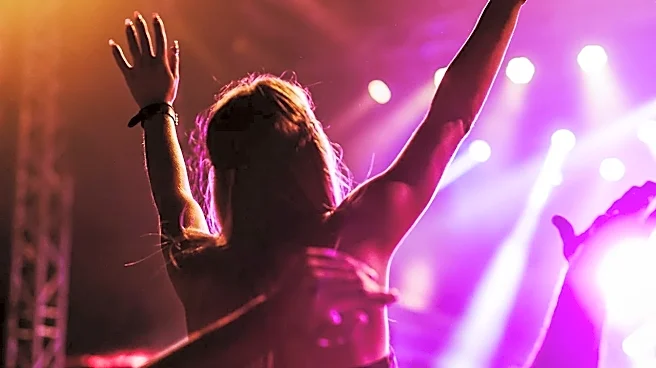
band, Lollapalooza was a traveling roadshow that brought the festival to the fans, stopping in over 20 cities. This wasn't just a concert; it was a multi-faceted cultural event inspired by European festivals like Reading. Farrell envisioned a space that blended music with art, activism, and what he called "performative weirdness." The early tours included everything from political action booths for groups like Greenpeace and Rock the Vote to art installations, tattoo parlors, and even sideshow performers, creating a carnival-like atmosphere that defined a generation.
The Genre-Bending Lineup
Today's eclectic festival lineups owe a major debt to Lollapalooza's founding principle. In the early '90s, concert tours were heavily segregated by genre. Farrell deliberately shattered those walls. The very first Lollapalooza featured Jane's Addiction alongside industrial pioneers Nine Inch Nails, funk-metal band Living Colour, and rapper Ice-T. This radical mix-and-match approach treated fans like they had diverse tastes, mirroring the mixtape culture of the era. It proved that audiences were hungry for a cross-genre experience, and in doing so, it accidentally created the blueprint for the modern American music festival.
The Chicago Destination
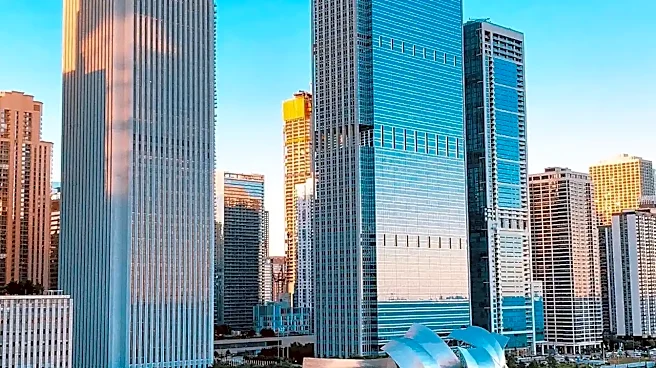
After its initial run from 1991 to 1997 and a brief revival, the touring model faltered. In 2005, Farrell, along with new partners, gave the festival a permanent home: Chicago's Grant Park. This transformed Lollapalooza from a nomadic circus into a massive destination event. The move was a resounding success, establishing a symbiotic relationship with the city that continues today. The festival now generates hundreds of millions of dollars for the local economy and has committed millions to Chicago Public Schools arts programs. The iconic skyline, with Buckingham Fountain at its heart, has become as much a part of the Lolla brand as the music itself.
Kidzapalooza: The Festival Within a Festival
One of the most unique traditions began in 2005, the same year Lolla settled in Chicago. Music producer Tor Hyams pitched Perry Farrell on the idea of a family-friendly festival experience, and Kidzapalooza was born. It's a self-contained area within the larger festival grounds dedicated entirely to children, with its own stage, kid-friendly bands, art stations, and interactive workshops. The concept was revolutionary, allowing parents who grew up with Lollapalooza to share the experience with their own kids in a safe, fun environment. It has been a staple ever since, making Lolla one of the first major festivals to actively program for multiple generations.
Chow Town: Elevating Festival Food
Long gone are the days when festival food meant nothing more than a sad, overpriced hot dog. Lollapalooza helped pioneer the shift toward gourmet festival dining with Chow Town. Instead of generic concession stands, Chow Town features a curated selection of dozens of local Chicago restaurants, bringing the city's diverse culinary scene into Grant Park. This allows attendees to sample everything from lobster corn dogs to artisanal pretzels and plant-based sushi between sets. It transformed the food court from a mere necessity into a celebrated part of the festival experience, a tradition that other major festivals have since emulated.