




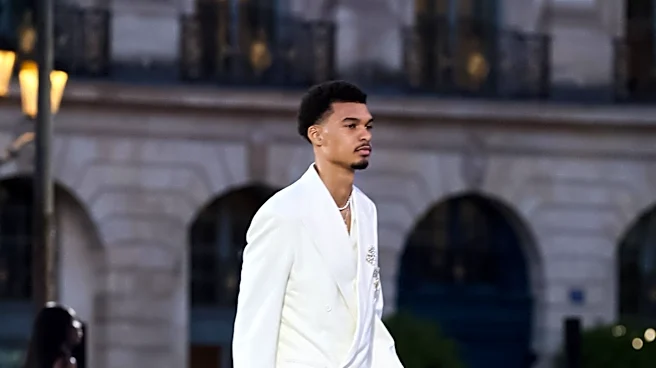
Fashion Week: The Performance Art of Dressing
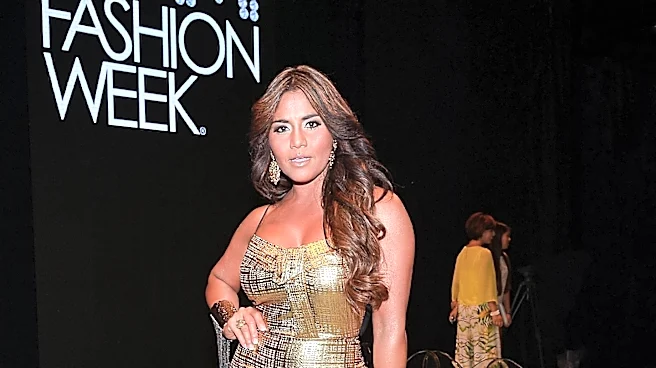
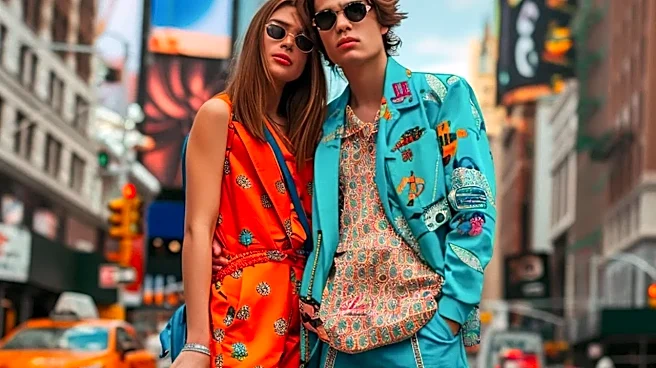
Fashion Week street style is, first and foremost, a performance. Attendees, from editors and influencers to aspiring models, dress for the camera. The goal is to be seen, photographed, and featured. This creates an environment of sartorial peacocking
defined by of-the-moment trends, head-to-toe runway looks from the major houses, and a heavy emphasis on visible logos and 'It' bags. Outfits are often bold, experimental, and sometimes teeter on the edge of costume. Practicality is a distant secondary concern to making a statement; think whimsical dress-up fantasies and tailoring with a twist designed to stand out in a crowd of other attention-grabbing looks. It is fashion as a declarative, external-facing spectacle.
Frieze London: The Considered, Intellectual Wardrobe
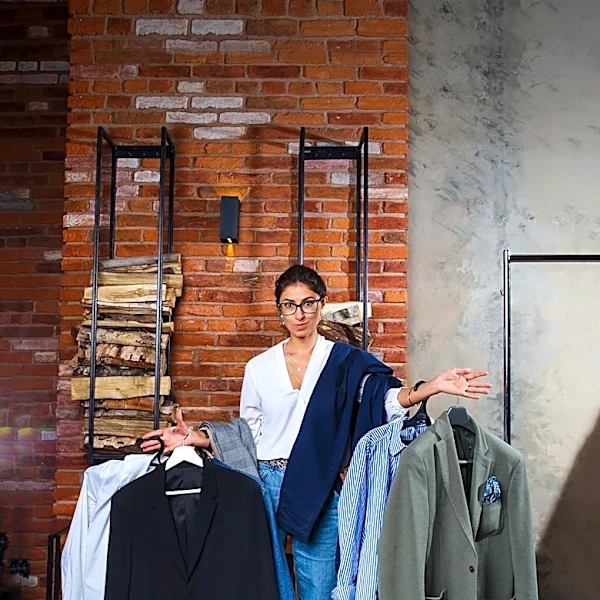
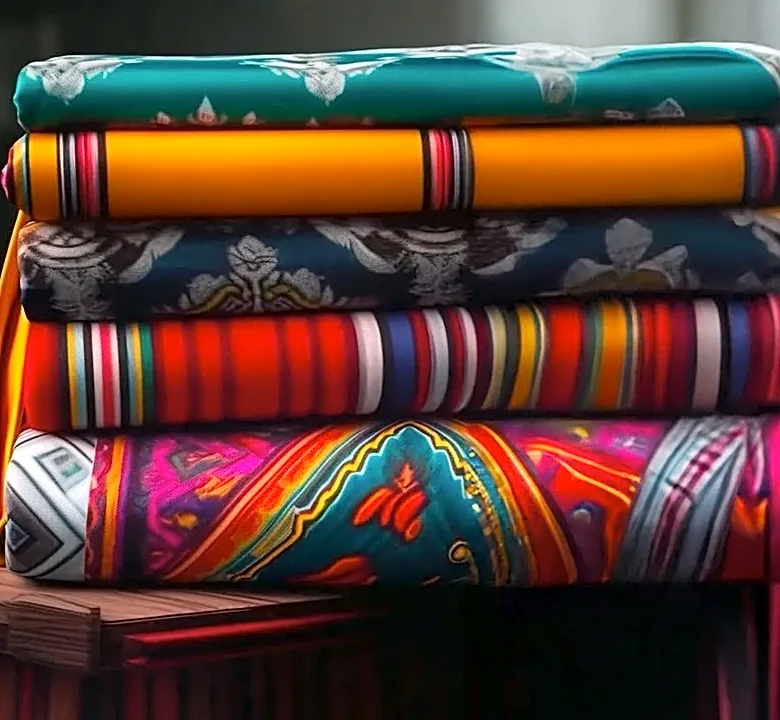
In contrast, dressing for an art fair like Frieze is less of a performance and more of a personal statement. The style here is often described as more 'real,' 'intellectual,' and 'considered'. While still fashion-literate, the art crowd's choices often whisper rather than shout. The unofficial uniform leans toward architectural silhouettes, strong textures like leather and silk, and a more neutral or minimal color palette. The emphasis is on individuality and reflecting a creative, sophisticated sensibility. You're more likely to see a vintage Issey Miyake piece, an avant-garde jacket from a niche designer, or a classic Phoebe Philo-era Céline coat than the latest must-have logoed item. It's about signaling an 'eye' for design that extends beyond transient trends.
Intent: Dressing for the Camera vs. Dressing for the Room
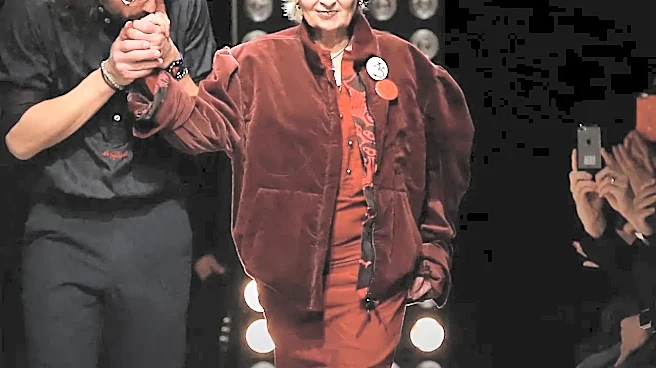
The fundamental difference lies in intent. Fashion Week attendees are participating in a media event where their clothes are their currency. Their audience is the global fashion industry watching through the lens of street style photographers. The outfits are often meticulously planned to align with brand relationships or to capture the zeitgeist of the season. At Frieze, the clothing is secondary to the art. Attendees dress for a community of peers—gallerists, collectors, and fellow art lovers. While there's an undeniable element of status signaling, it's often done with more subtlety. Some attendees even report toning down their look to avoid the overt displays of wealth that can feel out of place in a room full of priceless art. The style is part of a conversation within the room, not a broadcast to the world.
The Practicality Principle
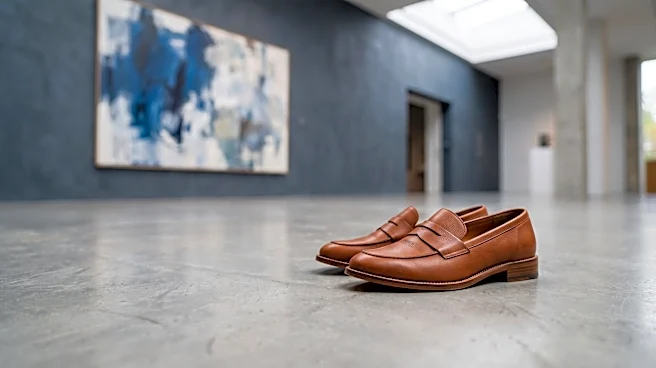
An art fair is a marathon, not a sprint. Frieze involves hours of walking through the vast tents of Regent's Park, and the style reflects this reality. Comfort becomes a key component of chic. You'll see far more stylish flats, minimalist sneakers, and walkable loafers at Frieze than at Fashion Week, where stiletto heels that may only travel from a car to a front-row seat are common. Outerwear is also crucial for the unpredictable London weather in October, so elegant coats and light layers that can be checked at a cloakroom are staples. This blend of practicality and polish is a hallmark of the art fair attendee who needs their outfit to last from a daytime viewing to an evening gallery dinner.