





The Limits of the Holiday Special
The “very special episode” is a television staple. From the musical Juneteenth episode of *black-ish* to the poignant installment of *Atlanta*, these one-offs serve an important function: they introduce a concept, provide historical context, and deliver
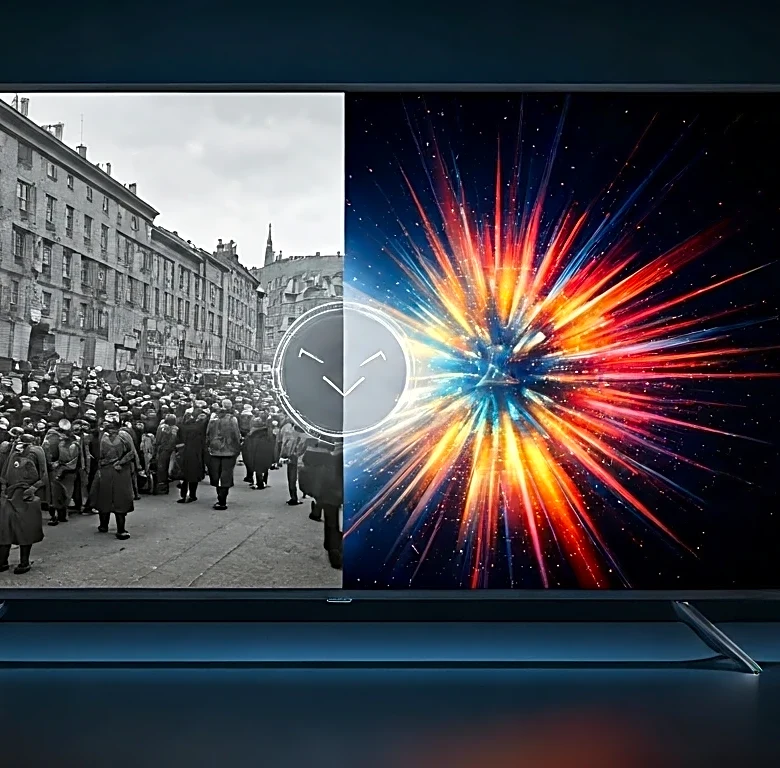
a contained emotional arc, all within a single hour. They are designed to teach, to inform, to commemorate. But commemoration can sometimes feel like being placed in a museum. The story is presented as a complete, finished object to be observed and respected, but not necessarily lived in. The holiday special format inherently frames Juneteenth as an event that is visited once a year. It packages the complex, messy, and ongoing struggle for freedom into a neat narrative that resolves by the time the credits roll. While valuable, this approach risks reducing a profound historical reality to an annual lesson—a piece of cultural homework we are assigned every June before moving on.
The Power of World-Building
Now, consider the genre franchise. Think *Star Trek*, the Marvel Cinematic Universe, or even *The Walking Dead*. These aren't just collections of stories; they are universes. They have their own rules, deep histories, and, most importantly, room to grow. A franchise isn’t about a single event; it’s about a persistent world where characters grapple with core themes over seasons and spin-offs. Justice, community, survival, and identity are not just topics for a single episode but the very fabric of the narrative. This is the power that Juneteenth-related storytelling deserves. The story of emancipation isn't a single moment—the day the news arrived in Galveston, Texas. It’s the beginning of a new world. It’s about what happens *after* the declaration of freedom. It’s about building communities, defining personhood, fighting for rights that were promised but not guaranteed, and imagining a future that was previously forbidden. These are the building blocks of an epic saga, not a one-hour special.
Imagining the Juneteenth Universe
What would a Juneteenth genre franchise even look like? The possibilities are as limitless as the Black imagination. Imagine a historical fantasy series where the “magic” of freedom is a literal, tangible force that characters must learn to wield in a world still hostile to them. Picture a sci-fi epic, in the vein of Octavia Butler, about the descendants of a maroon colony who, having achieved their own liberation generations ago, must now decide whether to reconnect with a chaotic Earth. Consider a historical horror-thriller, like *Lovecraft Country*, that uses supernatural elements to explore the real-world terrors of post-emancipation life during Reconstruction—a world of nightmarish threats, both human and allegorical. These concepts aren't about trivializing history. They are about using the powerful tools of genre—metaphor, allegory, and world-building—to explore the emotional and philosophical truths of the Juneteenth story on a grander, more mythic scale. Genre allows us to ask bigger questions: What is the cost of freedom? How do you build a new identity from scratch? How do you fight monsters when you’ve just escaped a living hell?
From Annual Lesson to Cultural Legacy
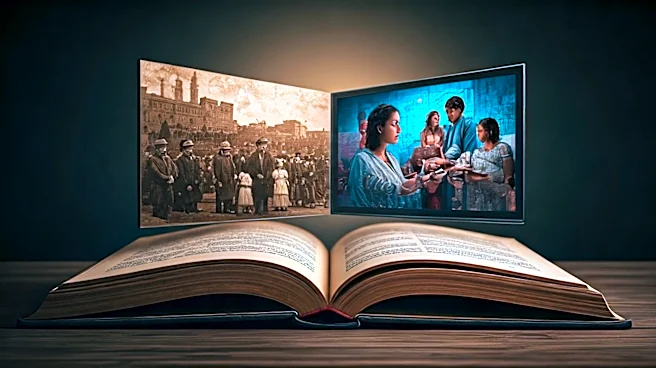
Treating Juneteenth as a franchise opportunity is not about commercialization; it's about canonization. It’s about taking the story of Black liberation off the shelf of “special topics” and integrating it into the main library of American popular culture. It allows for the creation of new heroes, complex villains, and sprawling narratives that can resonate far beyond a single holiday. By building a world around Juneteenth, creators can move beyond the singular responsibility of educating an audience about a historical event. Instead, they can invite the audience to live inside a story, to invest in its characters, and to see the echoes of its central struggle in our world today. It transforms the story from something you *learn about* into something you *experience*. This is how you create not just a memorial, but a living legacy.