






For Gen X: The Original Contract
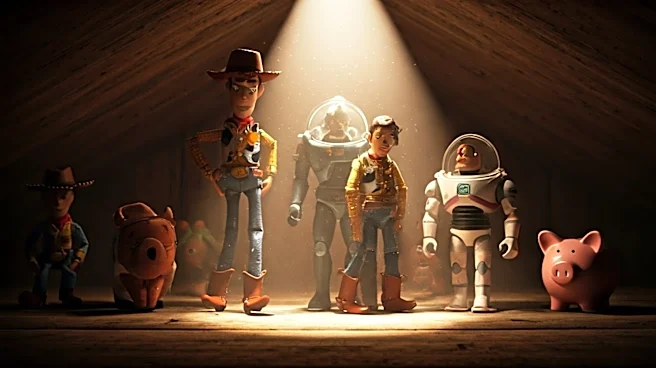
Let’s rewind to 1995. The original *Toy Story* wasn’t just a movie; it was a revolution. For Gen X, then in their 20s and 30s, it represented a paradigm shift in animation and storytelling. It was technically dazzling, but more importantly, it was narratively
sophisticated, witty, and emotionally resonant in a way that spoke to adults as much as children. This was the film many of them showed their own kids, the first Millennial viewers. The implicit contract for this generation was simple: Pixar makes smart, innovative films that respect the audience's intelligence. Their connection is to the franchise's origin as a groundbreaking piece of art. For them, a new sequel raises the question of necessity. Does it push boundaries like the original, or does it merely trade on nostalgia?
For Millennials: The Perfect Ending
If Gen X were the original buyers, Millennials were the kids in the backseat who fell in love. They didn't just watch *Toy Story*; they grew up alongside Andy. The release of *Toy Story 2* in 1999 and *Toy Story 3* in 2010 mapped perfectly onto their own journey from childhood to college. The third film, in particular, felt like a deeply personal conclusion. Andy, giving his toys to Bonnie, was a gut-wrenching metaphor for every Millennial packing up their own childhood bedroom. It was a perfect, definitive, and cathartic ending. It said, “It’s okay to grow up and move on.” Consequently, *Toy Story 4* already felt like a strange, slightly uncomfortable epilogue to many. The announcement of a fifth installment feels like a violation of that perfect closure, like a friend who said a beautiful goodbye and then showed up at your door the next day asking to borrow money.
For Gen Alpha: The Endless Franchise
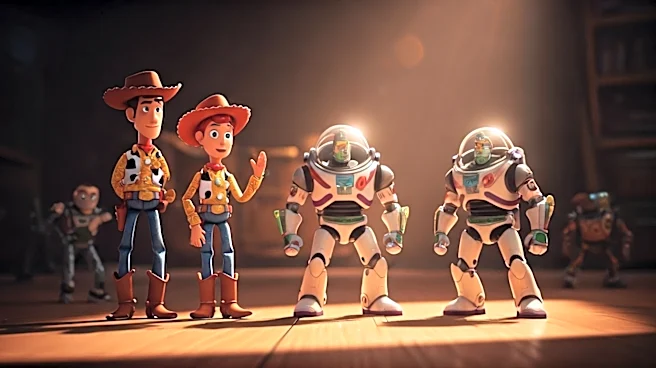
Now, step outside the nostalgia. For today’s kids, Gen Alpha, *Toy Story* isn't a sacred trilogy with a perfect ending. It’s just… *Toy Story*. It’s a constant presence on Disney+, a world of familiar characters that has always existed. Their entry point might have been *Toy Story 4*, with its focus on new characters like Forky and a wandering Woody. They have no emotional baggage tied to Andy’s departure. For them, the franchise is an ongoing universe, no different from the perpetually expanding Marvel Cinematic Universe. Why wouldn't there be a *Toy Story 5*? The characters are fun, the world is bright, and the story can go anywhere. This is the audience that doesn't need a compelling reason for another sequel; its existence is the reason. They are the future, and their commercial power is what Disney and Pixar are banking on.
The Corporate Parent Mediator
Caught in the middle of this generational tug-of-war is Pixar, a studio navigating a difficult period. After a string of original films met with mixed commercial success (*Turning Red*, *Luca*) and one high-profile theatrical disappointment (*Lightyear*), returning to the safest and most beloved IP in its library is a logical business decision. *Toy Story 5* isn't just an artistic choice; it's a strategic move to stabilize the ship and deliver a guaranteed box office hit. The challenge, however, is immense. The film must somehow honor the Gen X appreciation for innovation, respect the Millennial desire for meaningful storytelling that doesn't trample on their cherished ending, and capture the imaginations of a new Gen Alpha audience who just wants a fun movie. It’s a creative and emotional balancing act where one misstep could alienate a core part of the fanbase built over three decades.