




The New Rules of Fame
Not long ago, the path to a headline was straightforward: star in a blockbuster movie, release a hit album, or build a career over decades. Fame was a gated community, and legacy media outlets—magazines, television networks, and major newspapers—were
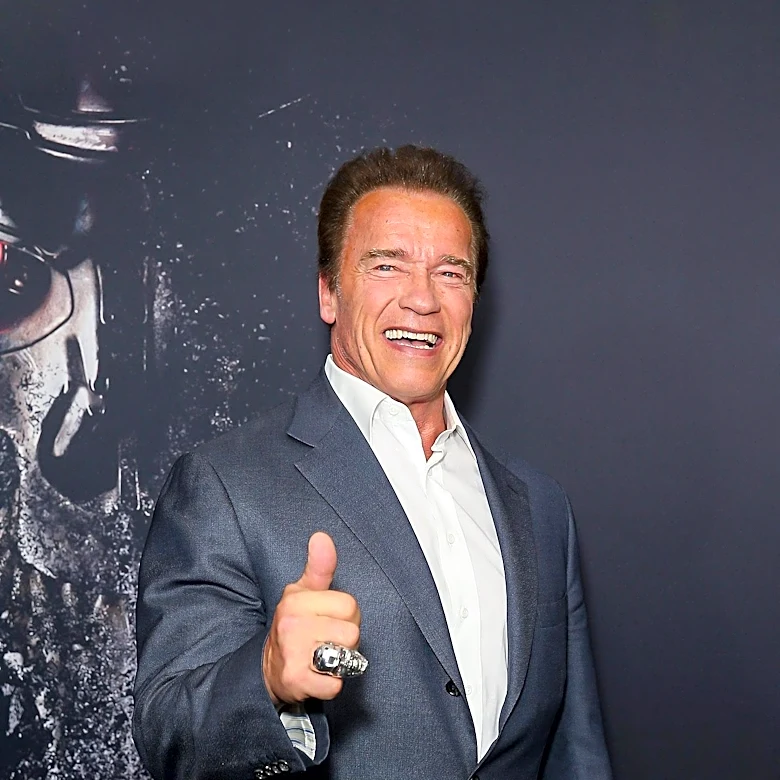
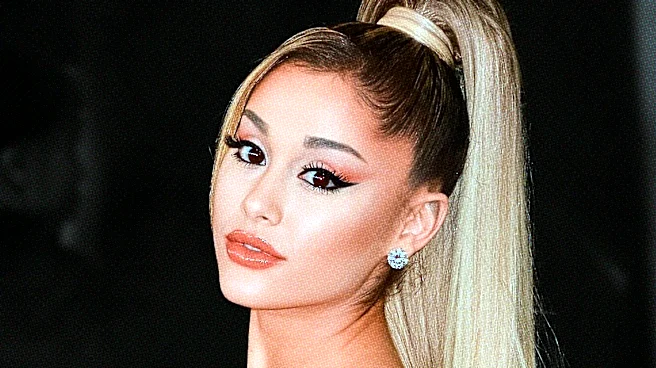
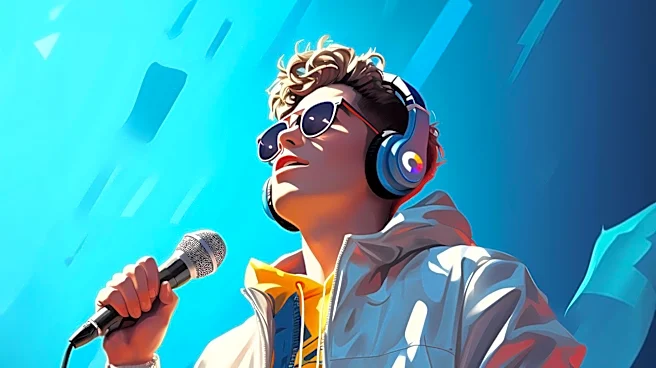
the gatekeepers. Today, that hierarchy has been completely upended. The new kingmakers are algorithms on platforms like TikTok and YouTube, where fame can be achieved overnight with a viral video. This has created two parallel universes of celebrity. In one, you have traditionally famous A-listers, recognized by millions of Millennials, Gen Xers, and Boomers. In the other, you have digital-native creators who are household names to tens of millions of people under 25, yet remain virtually unknown to older demographics. The result is a constant, low-grade cultural friction over whose fame is more “real” or deserving of mainstream recognition.
The Economics of Eyeballs
For legacy media brands, this isn't just a philosophical debate; it's a matter of survival. As their traditional audiences age, publications and networks are desperately trying to capture the attention of younger generations. A recent study shows interest in news has plummeted among 18-34 year olds over the last decade. The fastest way to signal relevance to this demographic is by putting the faces they know on the cover. This leads to moments that spark intense debate, like when a reality star or influencer lands on the cover of a legacy fashion magazine, often triggering backlash from older readers who feel the publication is cheapening its brand. However, for the media outlet, the calculation is simple: the clicks, outrage, and social media buzz generated by such a move are often more valuable than the approval of their long-time subscribers. They are trading institutional prestige for digital relevance.
Authenticity vs. Aspiration
The conflict also highlights a fundamental shift in what audiences want from celebrities. For generations, stars were aspirational figures, living glamorous lives far removed from the everyday. While that mystique still has its appeal, younger audiences increasingly prioritize authenticity and relatability. They are drawn to influencers who share their lives—flaws and all—through direct, two-way engagement on social media. An influencer is often perceived as a peer or a trusted friend, making their recommendations feel more genuine than a polished celebrity endorsement. This preference for the “real” can make traditional celebrity culture, with its carefully managed PR and distant mystique, feel outdated and less compelling to Gen Z, who have grown up with a more intimate and interactive form of parasocial relationship.
A Blurring of the Lines
While it's easy to frame this as a battle, the reality is more of a messy merger. The lines are blurring every day. Legacy celebrities are flocking to TikTok to connect with younger fans and stay relevant. Meanwhile, social media stars are leveraging their digital fame to chase traditional validation—launching product lines, starring in movies, and seeking the very magazine covers that older generations feel they don't deserve. We are seeing a hybridization of fame, where success requires navigating both worlds. For instance, studios now frequently partner with TikTok creators to promote films, recognizing that a viral clip can be as powerful as a late-night talk show appearance. This convergence proves that there is no longer a single path to the top, but rather a complex and ever-shifting landscape of influence.