





The Physical Blueprint
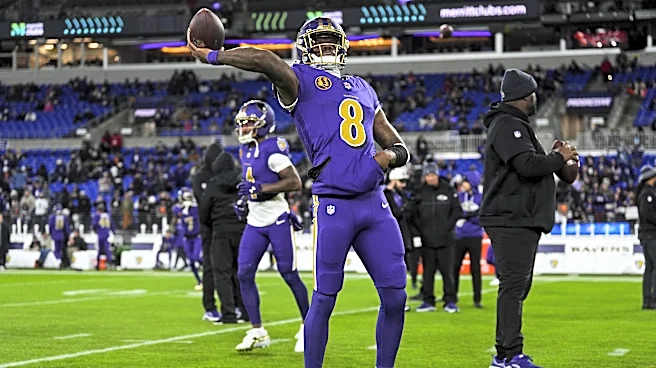
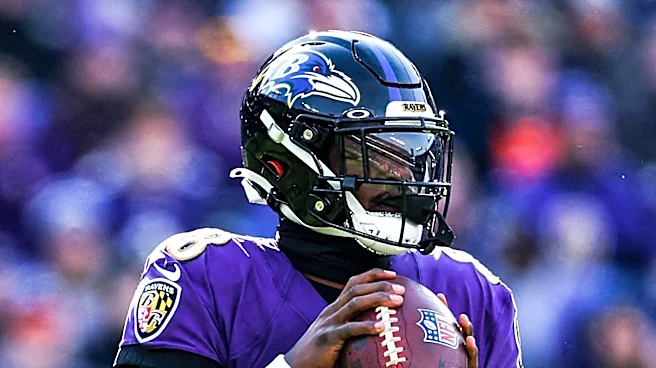
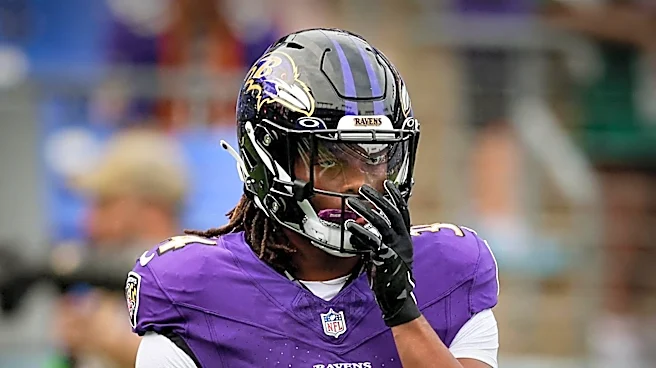
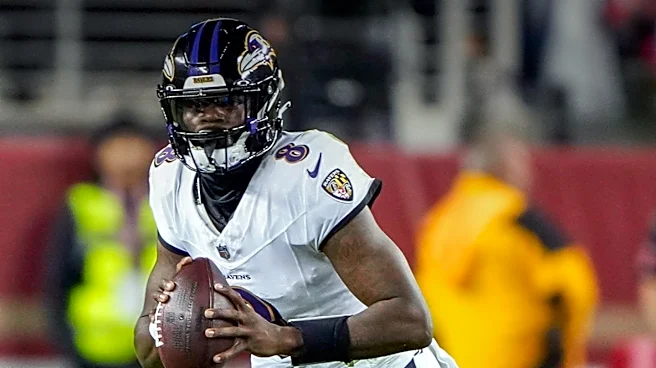
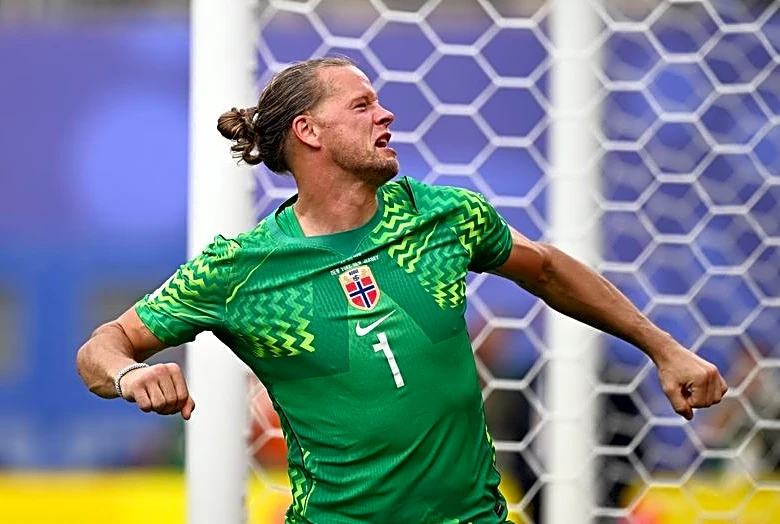
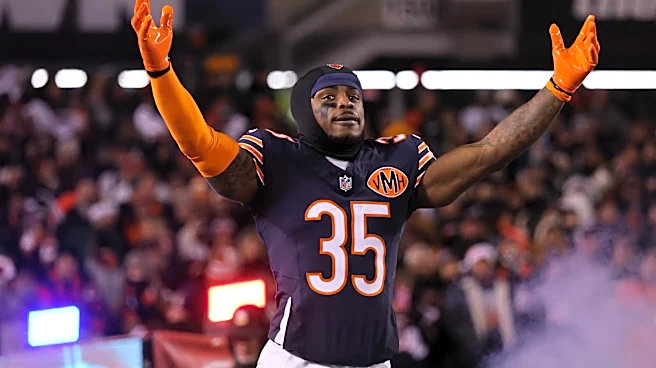
On paper, they are titans. Romelu Lukaku, a Belgian striker most recently with Napoli, stands at 6-foot-3 and weighs around 227 pounds. Derrick Henry, a running back for the NFL’s Baltimore Ravens, is even more imposing at 6-foot-3 and 247 pounds. But
these numbers don't tell the full story. It’s not just their size; it’s their athletic ability at that size. Lukaku possesses the explosive power and surprising agility to turn defenders in tight spaces, while Henry has the breakaway speed of a much smaller back. They represent a rare combination of mass and momentum, making them physical outliers in sports already filled with elite athletes. This isn't just about being bigger and stronger; it’s about weaponizing that size in ways that seem to defy conventional biomechanics.
Lukaku: The Immovable Object
In soccer, Lukaku’s primary weapon is his ability to play with his back to the goal. He is a master of “hold-up play,” where he receives a pass while shielding the ball from a defender, allowing his teammates to run into open space. For a defender, getting tight to Lukaku is a trap. He wants to feel them on his back; it’s his anchor point to pivot, turn, and either unleash a powerful shot or lay the ball off to an advancing teammate. Because of his immense upper-body strength, defenders who try to outmuscle him often find themselves shrugged off or bounced away. He effectively acts as a human wall, a focal point of the attack that draws defenders in and creates chaos, forcing them to choose between challenging him and risking being rolled, or standing off and letting him dictate the play.
Henry: The Unstoppable Force
Derrick Henry’s game is built on punishing, north-south momentum. His most iconic move is a brutal stiff-arm that has embarrassed countless would-be tacklers. Tackling Henry is often described as a “business decision” for defensive backs, many of whom are giving up 50 pounds or more. Trying to tackle him high is a recipe for ending up on a highlight reel for all the wrong reasons. As a game wears on, the cumulative effect of Henry’s runs wears defenses down. A 4-yard gain in the first quarter becomes an 8-yard gain in the fourth as defenders become more hesitant. He is a workhorse back designed to break the will of a defense through sheer, repetitive physical imposition. Since 2017, he has recorded 64 stiff-arms on running plays, 36 more than any other player.
The Defensive Dilemma
The presence of these two athletes forces entire defensive units to change their strategy. Against Lukaku, defenses can’t afford to leave a center-back isolated. Teams often employ a second defender to help, either by doubling up on him or by having a defensive midfielder cut off the passing lanes into him. The goal is to prevent him from receiving the ball cleanly. The counter-strategy is to give him a yard of space, preventing him from using his strength to pin and turn, but this cedes control. For Henry, defenses are forced to “stack the box,” bringing extra players closer to the line of scrimmage to stop the run. This is a gamble. While it dedicates more bodies to stopping Henry, it leaves the secondary vulnerable to the passing game if the quarterback can take advantage of one-on-one coverage on the outside. In both cases, the offense gains a strategic advantage before the play even begins.
The Common Denominator: Athletic Gravity
Though their sports are vastly different, Lukaku and Henry share a common trait: athletic gravity. Their mere presence on the field pulls defenders out of position and creates space and opportunities for their teammates. Lukaku’s gravity is static; he holds his ground and draws defenders toward him, creating vacuums for wingers and midfielders to exploit. Henry’s gravity is kinetic; his forward motion forces defenses to collapse inward, opening up lanes and passing windows elsewhere. They are the mismatches that dictate the terms of engagement. For coaches, game-planning against them isn't just about stopping one player; it's about managing the ripple effect their power has on the entire field. They don't just beat defenses; they fundamentally alter them.