


What Is Soft Tailoring, Exactly?
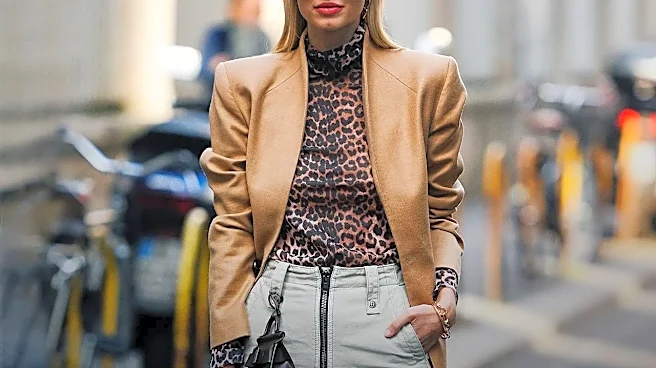
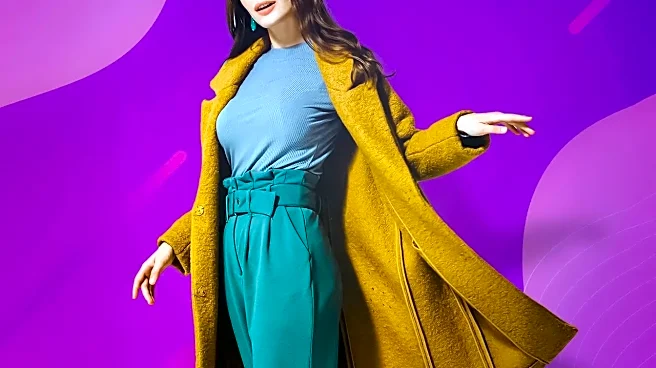
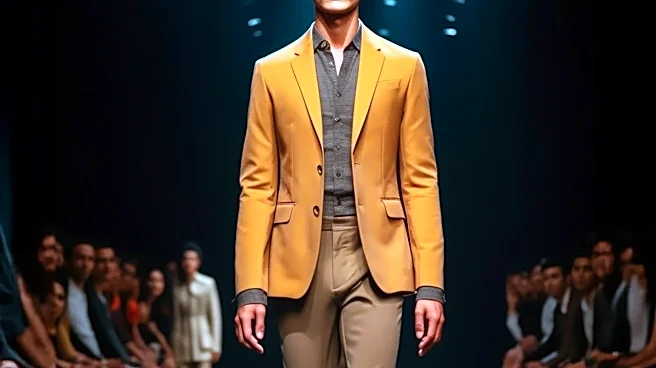
Forget the rigid, armor-like blazers of the past. Soft tailoring is the art of creating shape without stiffness. It's defined by what it removes: heavy shoulder pads, restrictive linings, and stiff interior canvassing. The result is a garment that drapes
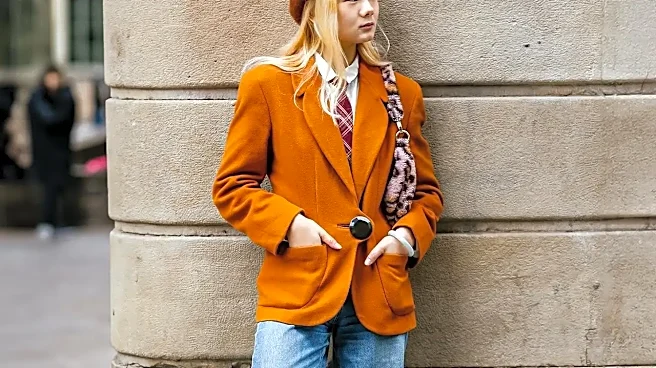
and moves with the body, offering a blend of sartorial refinement and kinetic freedom. Think of unlined blazers that feel like a cardigan, wide-leg trousers in flowing fabrics, and two-piece sets that are as comfortable as they are chic. This approach relies on the quality of the fabric and the skill of the cut—not on heavy construction—to create a silhouette that is both fluid and precise. It’s polish without the restriction, structure without the stuffiness.
A Perfect Match for the Scandinavian Ethos
Soft tailoring's dominance in Copenhagen is no accident; it's a perfect reflection of the Scandinavian approach to life. The Nordic design philosophy has long prioritized functionality, minimalism, and longevity, and soft tailoring aligns with all three. Clothes are expected to be practical enough for everyday challenges, like riding a bike through the city, which demands comfort and ease of movement. The aesthetic champions a “less is more” mindset, focusing on high-quality materials like linen, wool, and cotton that are built to last. This dovetails with the concept of 'hygge'—a feeling of coziness and contentment that is woven into the culture. Soft tailoring embodies this by offering clothes that are elegant but fundamentally comfortable, allowing for a style that is lived-in, not just worn.
The Post-Pandemic Comfort Continuum
Globally, our relationship with clothing has shifted. After years spent prioritizing comfort in homemade offices, there's a collective reluctance to return to restrictive workwear. Soft tailoring provides the perfect solution, bridging the gap between professional polish and the relaxed ease we've grown accustomed to. It offers a way to look put-together for the office or an event without feeling confined. This trend cleverly redefines power dressing, suggesting that true confidence comes from feeling comfortable in your own skin—and in your clothes. It’s the sartorial answer to the new demand for a versatile wardrobe that seamlessly transitions between work, home, and leisure.
Key Designers Leading the Charge
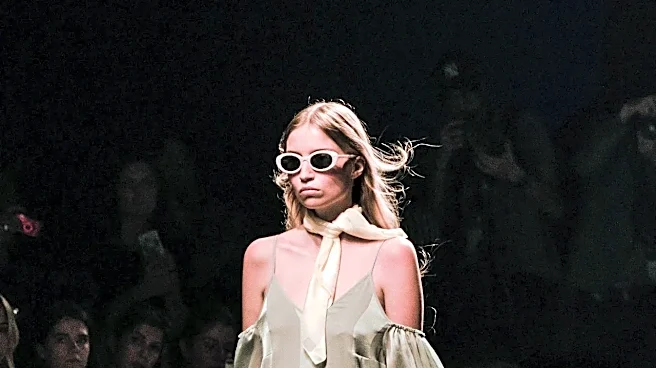
On the recent Spring/Summer 2026 runways in Copenhagen, this trend was everywhere. Brands like The Garment, known for their ethos of durability and precision tailoring, showcased neutral-toned sets that were anything but boring. Skall Studio, which has long championed conscious design, presented looks that blended minimalism with feminine details. Herskind offered strength through softness with refined tailoring in muted tones. Meanwhile, other labels played with the concept through atypical approaches: Bonnetje famously deconstructs and reassembles old suits into new silhouettes, while Forza Collective showed neatly tailored blazers layered for a modern, sleek effect. These designers prove that soft tailoring can range from oversized and boxy to fluid and draped, all while maintaining an air of effortless sophistication.
Sustainability Woven Into the Seams
Copenhagen Fashion Week is renowned for its stringent sustainability requirements, and soft tailoring naturally fits this framework. The style often favors natural, high-quality fabrics that are more durable and have a lighter environmental footprint. More importantly, the emphasis on timeless, versatile pieces encourages a more conscious approach to consumption. By investing in a beautifully crafted, softly tailored blazer or pair of trousers that can be worn for years, consumers move away from the fast-fashion cycle of disposable trends. It’s a philosophy of buying fewer, better things—a core tenet of both Scandinavian design and the broader sustainability movement in fashion.