





Your Brain on the Beautiful Game
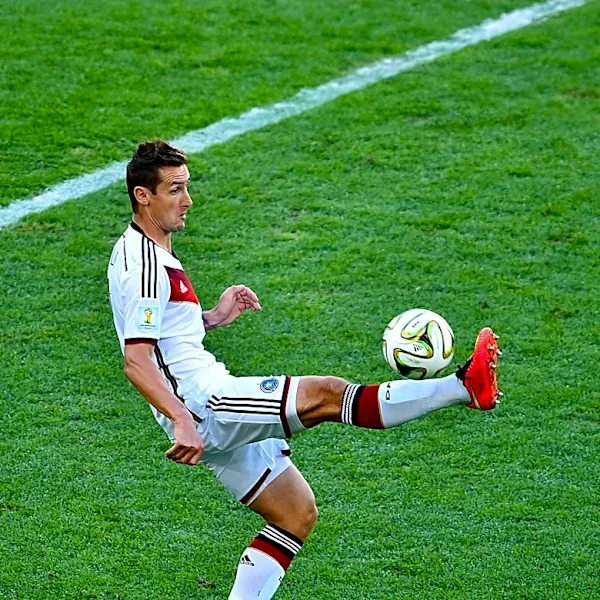
It all starts inside your head. When you watch a player sprint down the field or make a goal-saving tackle, your brain doesn't just passively observe. Neurological studies show that watching sports activates the brain’s reward circuits. Neurotransmitters
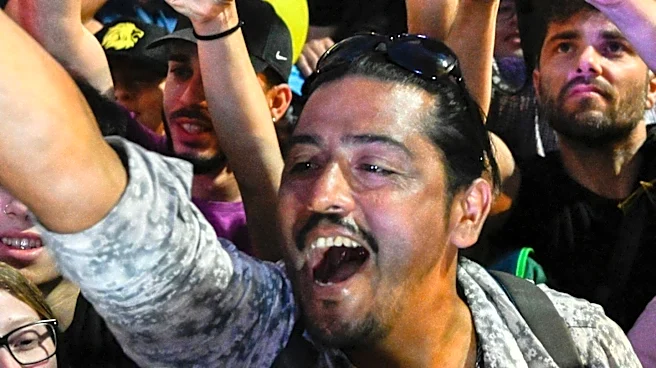
like dopamine, the same chemical linked to pleasure and motivation, are released during the tense, unpredictable moments of a match. This creates a powerful feedback loop; the thrill of a potential victory makes you feel good, reinforcing your emotional investment. But it’s more than just a chemical rush. Our brains contain 'mirror neurons,' which fire both when we perform an action and when we see someone else perform it. This neurological mirroring creates a visceral connection to the players on screen, making their triumphs and failures feel intensely personal.
More Than Just a Uniform
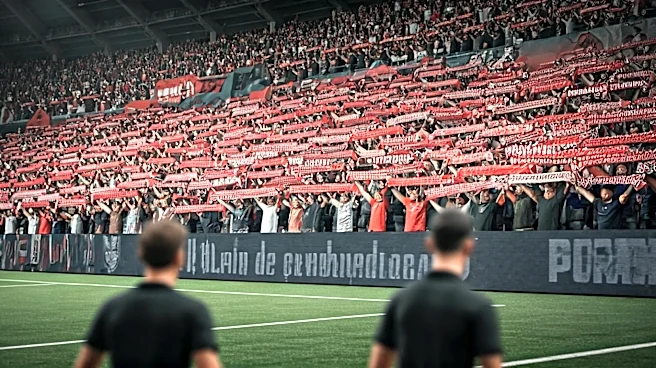
If brain chemistry provides the spark, shared rituals provide the fuel. The simple act of putting on a team jersey, gathering at a specific bar, or singing a national anthem transforms you from an individual spectator into a member of a tribe. These rituals are psychologically powerful, providing fans with a sense of control and belonging in the face of an unpredictable outcome. Studies on fan behavior show these pre-game activities can generate even more emotional excitement and synchrony than the game itself. Wearing the team's colors, chanting in unison, and sharing the same physical space creates a powerful sense of identity and solidarity, transcending social and cultural barriers that exist outside the 90 minutes of play.
The Science of a Shared Vibe
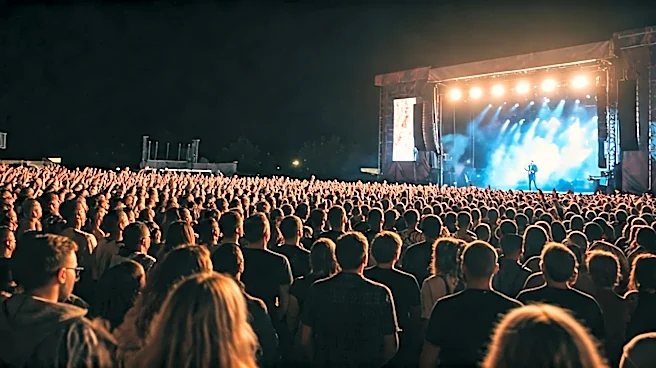
There's a sociological term for the electric atmosphere in a packed stadium or a fan zone: 'collective effervescence'. Coined by sociologist Émile Durkheim, it describes the shared feeling of energy and unity that emerges when people come together with a common focus. This phenomenon turns thousands of individual anxieties into one massive, synchronized emotional wave. The group's energy amplifies every moment, making the highs feel more euphoric and the lows more devastating. This feeling of being part of something larger than yourself is a core human need, and major sports tournaments like the Soccer Cup provide a rare and potent outlet for it, forging temporary communities that feel deeply meaningful.
Crafting the Global Soap Opera
The raw emotion is there, but it’s the stories we tell that give it shape. Broadcasters, journalists, and social media all contribute to a massive, real-time narrative. They build storylines of underdog triumphs, fallen giants, and heroic individual performances. This narrative context adds layers of meaning to every match, turning a simple game into a global drama. Success on the world stage becomes a source of immense national pride and a way to reinforce collective identity. We aren't just watching 22 people kick a ball; we're watching a chapter in our nation's story unfold, with commentators providing the real-time script that helps us process the action and our own feelings about it.