









1. Documents and Digital Tickets First
Before you pack a single jersey, get your documents in order. Ensure your passport is valid and check the visa requirements for each host country you plan to visit, as the United States, Mexico, and Canada have separate rules. Your match tickets will
likely be digital, accessible via an official FIFA app. Download the app, load your tickets, and make sure your phone is fully charged. Screenshots might not be accepted at the gate, so have the live ticket ready. Also, have a government-issued photo ID that exactly matches the name on your ticket for verification at the stadium.
2. Master the Stadium Bag Policy
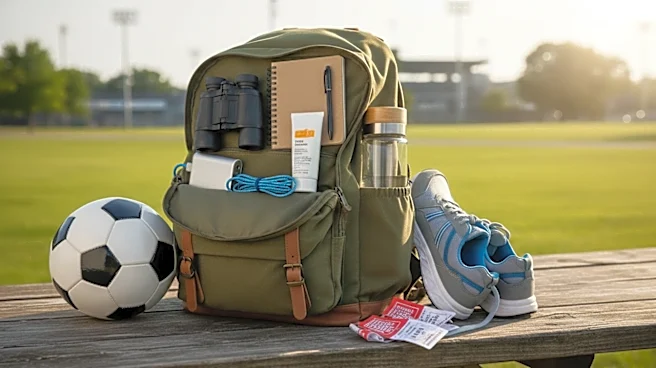
Stadium security is strict, and you don’t want to be forced to discard your bag. Most, if not all, 2026 venues enforce a clear bag policy. This typically means a transparent plastic, vinyl, or PVC bag no larger than 12" x 6" x 12". Small clutch bags are sometimes also allowed. Backpacks, large purses, and other non-transparent bags are generally prohibited. Pack light for match day: your phone, wallet, a portable power bank, and any essential medication (with a prescription or doctor's note) are all you really need.
3. Pack for the Pitch and the City
Your packing list should serve two purposes: cheering in the stadium and exploring the city. Comfortable walking shoes are non-negotiable. Team gear like jerseys and scarves are essential, but also pack for the local weather, which can vary wildly between host cities. A light rain jacket or poncho is a smart addition, as are sunscreen and a hat for sunny afternoon matches. Even indoor stadiums can get chilly with air conditioning, so a thin sweater or hoodie is a good idea. Finally, a portable power bank is a lifesaver for long days of navigating and taking photos.
4. Plan Your Match Day Journey
Getting to the stadium is an event in itself. Plan to arrive very early—at least two to three hours before kickoff. This gives you a buffer for long security lines and lets you soak in the pre-match atmosphere. Research your public transit options in advance, as driving and parking can be extremely difficult and expensive. Many host cities like Vancouver have excellent transit directly to the stadium. Download local transport and ride-sharing apps before you leave home. Have a clear plan for getting back to your hotel, as tens of thousands of fans will be leaving at the same time.
5. Stay Connected and Manage Your Money
Don't rely on spotty public Wi-Fi, especially around crowded stadiums. Arrange for a local SIM, an international data plan, or an eSIM to stay connected for maps, tickets, and communication. An eSIM can be particularly useful for a multi-country tournament, preventing the need to swap physical cards at the border. Before you travel, notify your bank of your plans to avoid having your cards frozen. While cards are widely accepted, it's always wise to carry some local currency (U.S. dollars, Canadian dollars, or Mexican pesos) for smaller purchases or emergencies.
6. Look Beyond the Stadium
The World Cup experience extends far beyond the 90 minutes of play. Every host city will have official FIFA Fan Festivals, which are free-to-enter (though registration may be required) public viewing parties with huge screens, live music, food, and activities. These are fantastic places to watch other matches and meet fans from all over the world, even if you don't have a ticket for that day's game. Check the official city-specific guides for locations and hours in places like Los Angeles, Philadelphia, and Atlanta.