



The Wardrobe of War and Rationing
To understand the rebellion of 1950s style, you first have to picture the American closet of the 1940s. This was a decade defined by World War II and its lingering aftermath. Fashion was dictated by necessity, patriotism, and rationing. Fabric was a resource
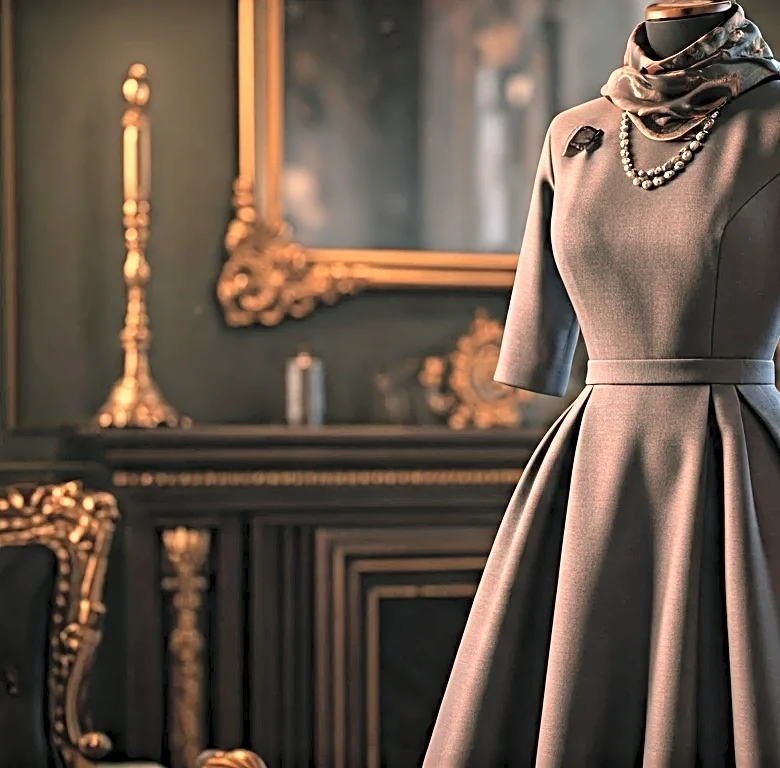
for the war effort, leading to restrictions on everything from the length of a skirt to the number of pockets on a man’s suit. The “Victory Suit” for men, for instance, eliminated vests, cuffs, and pocket flaps to conserve wool. Women’s fashion was similarly utilitarian, with simple silhouettes and a “make do and mend” ethos. Clothing wasn’t a vehicle for personal expression; it was a uniform of collective sacrifice. For young people, this meant dressing like smaller versions of their parents in durable, sensible, and often somber clothing. Individuality took a backseat to conformity and duty.
The Birth of the Teenager
The 1950s exploded with a force the 1940s could never have imagined: post-war prosperity. For the first time in American history, a significant portion of the population had disposable income, and a new social category was born: the teenager. Unlike their parents who went from childhood directly to the responsibilities of work or war, 1950s teens had leisure time, allowances, and cars. They also had their own music—rock and roll—that was loud, energetic, and utterly alien to the big band sounds of their parents’ generation. This new economic and cultural freedom created a powerful desire for an identity separate from the adult world. They didn’t want to wear the sensible suits and dresses of the previous generation. They wanted something that was theirs, something that reflected the raw energy of Elvis Presley and the rebellious spirit of the hot rod.
Denim: From Labor to Leisure
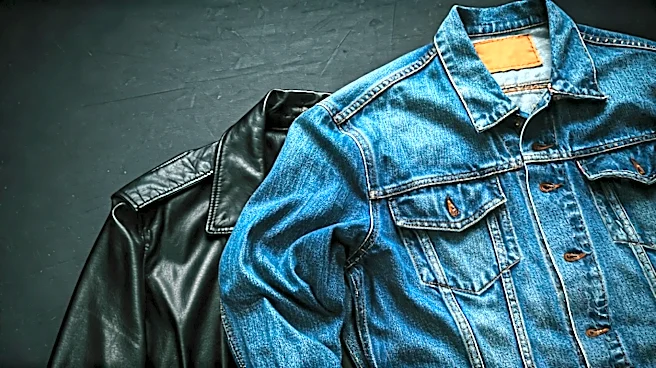
Nothing captures this shift better than the rise of blue jeans. In the 1940s, denim was strictly workwear, the durable uniform of farmers, miners, and factory workers. It was the symbol of manual labor, not youthful rebellion. But in the 1950s, teens co-opted it precisely for its rugged, unpretentious origins. By rolling up the cuffs of their Levi’s and wearing them to school or a drive-in, they were making a powerful statement. They were rejecting the formal, pressed slacks of their fathers and the established social order. Jeans were comfortable, durable, and most importantly, they were casual in an era when formality was still the norm. They represented a break from the rigid class and dress codes of the past, becoming the foundational garment of this new youth uniform.
The T-Shirt and Leather Jacket Emerge
Two other key pieces of rockabilly sportswear were also repurposed from their utilitarian roots. The plain white T-shirt had long been considered underwear, issued to soldiers and sailors in the 1940s. But when Marlon Brando smoldered on screen in a tight-fitting tee in 1951’s “A Streetcar Named Desire,” it was transformed. Suddenly, the T-shirt was a symbol of raw, anti-establishment masculinity. It was a minimalist, physical statement that rejected the buttoned-up formality of the collared shirt. Paired with a black leather motorcycle jacket—popularized by Brando again in 1953’s “The Wild One”—the look was complete. The leather jacket, previously associated with aviation and rugged motorcyclists, became the ultimate armor of the teenage rebel, signaling danger, independence, and a clear separation from the safe, suburban world of their parents.